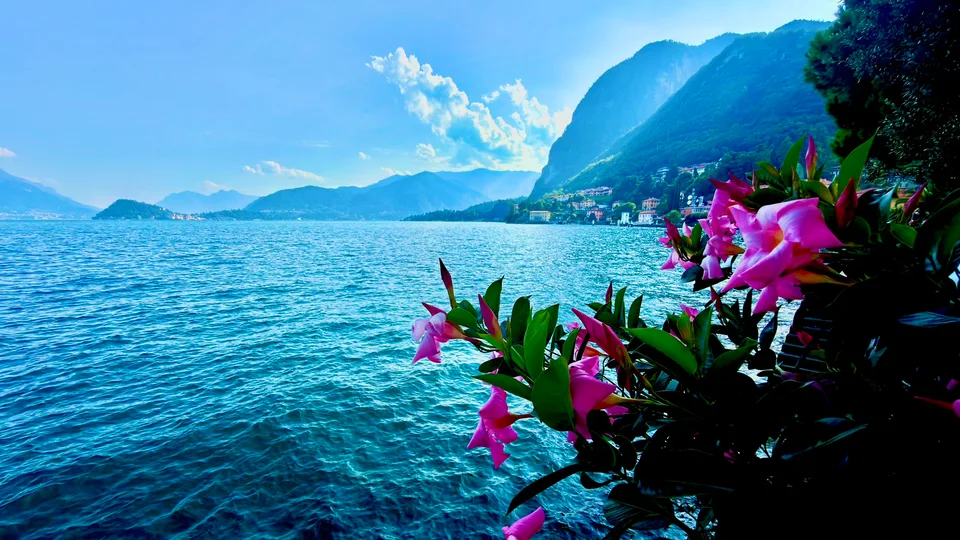
The bathtub had a better view than several apartments we’ve known. Through the open window, Lake Como occupied the middle distance, framed by mountains and the sort of greenery that makes you briefly reconsider all your previous landscaping decisions.
It was an extravagant introduction to doing less. Amsterdam had given us bicycles, museums and enough paintings to alter the way we looked at a loaf of bread. At Como, the lake kept entering the conversation. We could be getting ready to leave the room, walking down to the waterfront or sitting on a boat, and there it was again, making an excellent case for postponement.
The bathroom had secured the best seat.
Bellagio sat where the lake’s two southern arms divide, with water opening away from the town in different directions. From a map, the position looks strategic. On foot, it means you can turn a corner and find the mountains rearranged around another piece of blue.
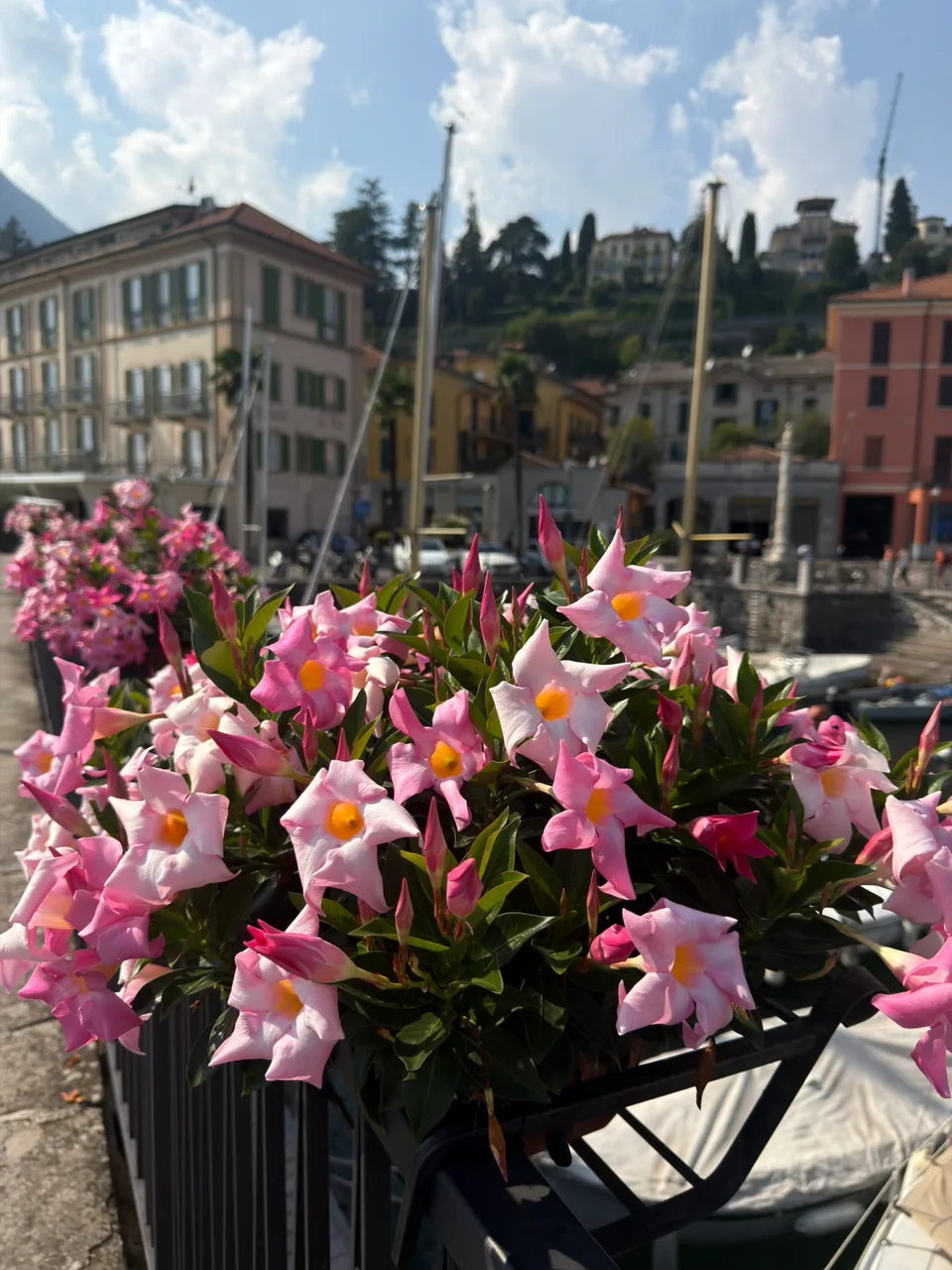
The waterfront offered its flowers and handsome buildings without much apparent effort. We walked past planters spilling pink blossoms, boats arriving at the landing stages, and façades that caught the changing light. There was plenty to look at before anybody mentioned a villa. That seemed a useful warning about our prospects of keeping to a schedule.
Bellagio makes a persuasive opening statement.
The front door is on the water
We took a wooden boat onto the lake. The polished edges, white seats and small Italian flag provided an embarrassingly effective improvement to our mood. Behind us, the wake opened into white folds. Ahead, the shoreline began showing the houses the way their owners presumably intended them to be seen.
A gate glimpsed from a road might suggest a property. From the water came the full arrangement: a landing stage, stone steps, a terrace, the house itself and a hillside recruited into the garden. Como makes architecture into a long conversation with the shore. Very few of these buildings seemed willing to let the lake do all the work.
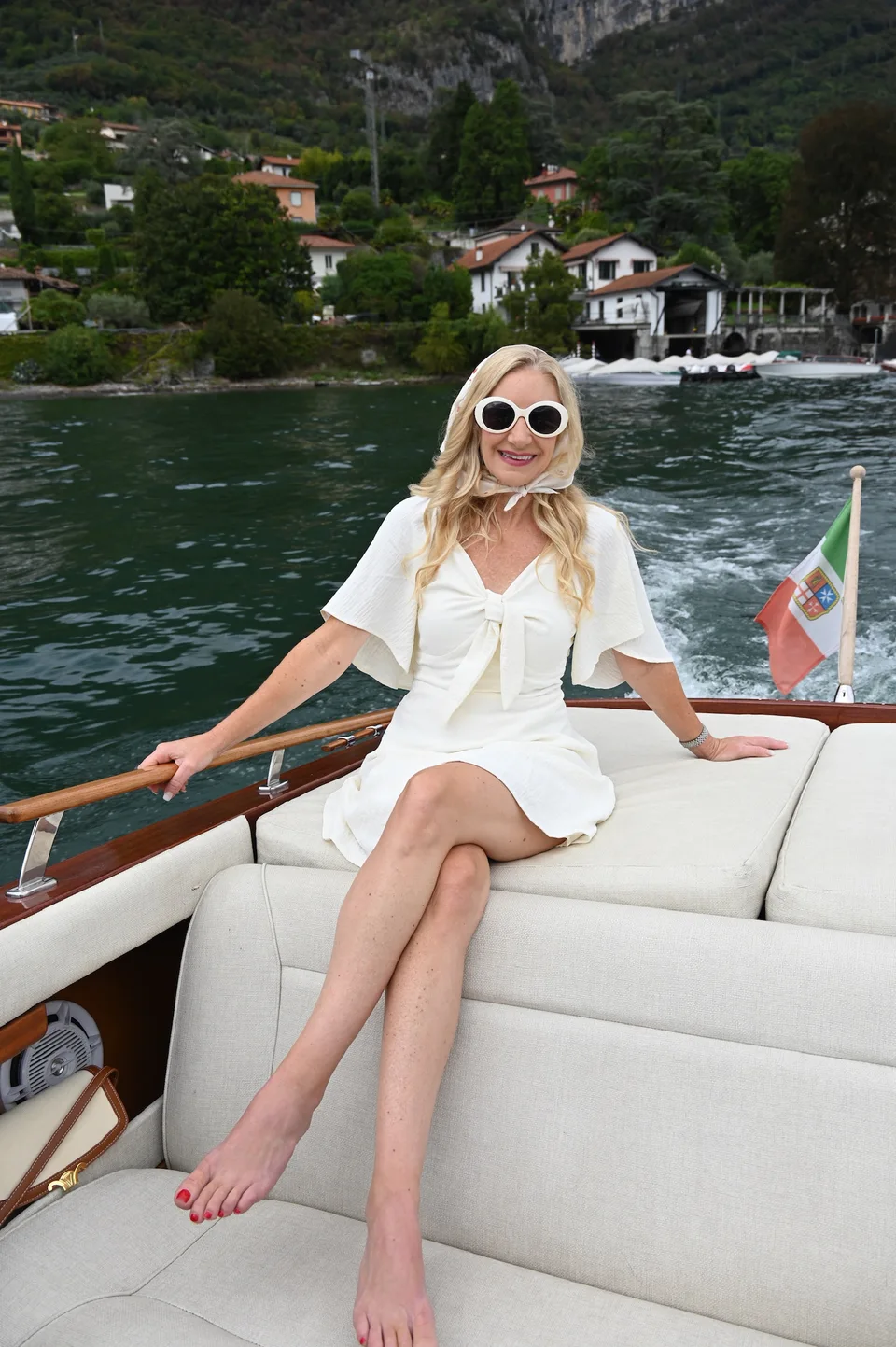
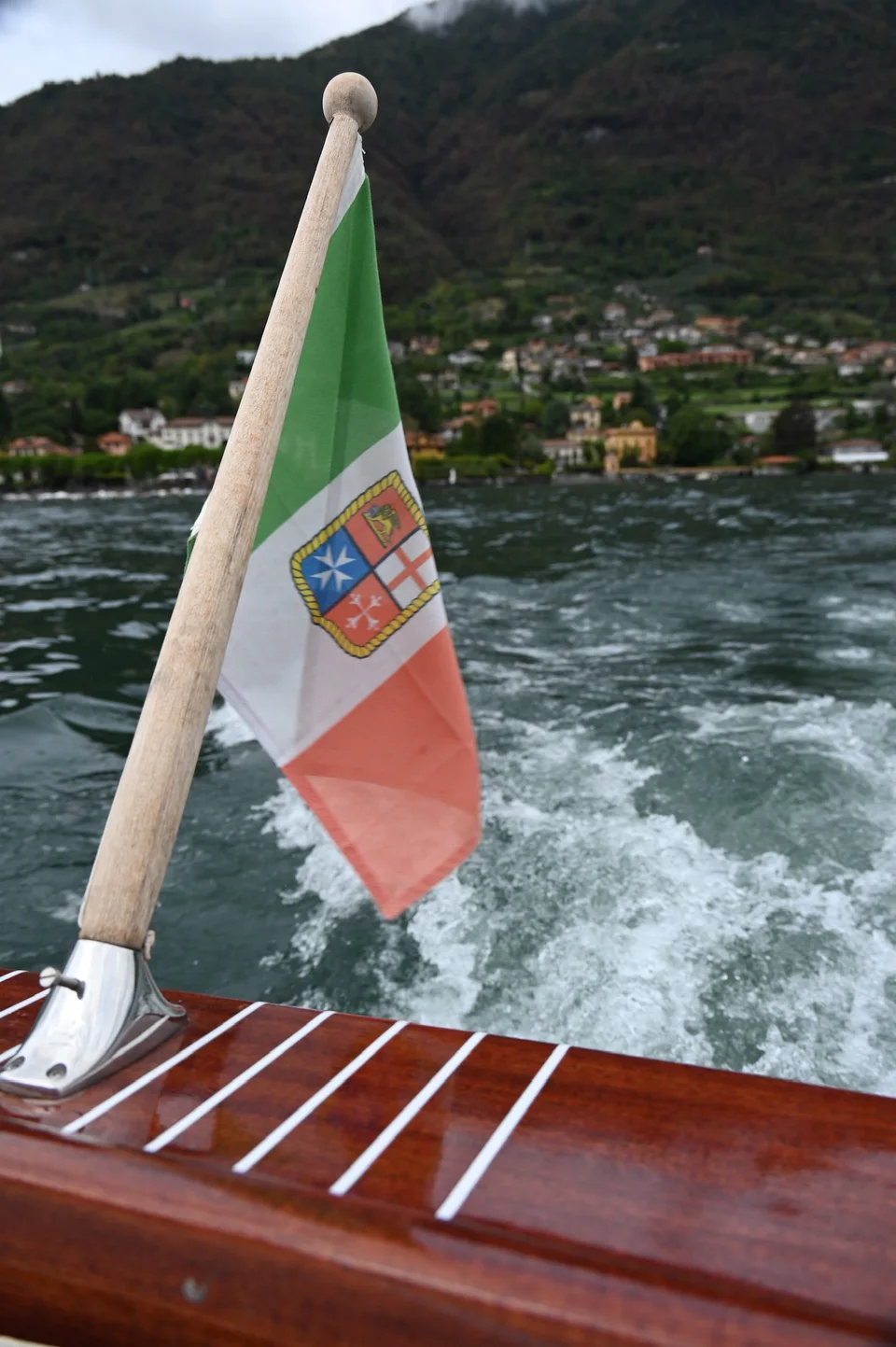
Public transport had some convincing competition.
The view kept changing as the boat moved. Pale walls would slip behind cypresses; an ornate façade appeared between trees; a landing stage stood close enough to make the distinction between garden and water feel pleasantly negotiable. We looked up at balconies and across lawns that ended where most gardens would only be getting started.
It was easy to appreciate the craftsmanship without inventing a life inside. Boats supply just enough distance to enjoy an enormous house without worrying about its roof. We could admire the stonework, the trees, the improbable amount of pruning, then carry on around the next headland. An excellent arrangement for everyone with no intention of buying a ladder.
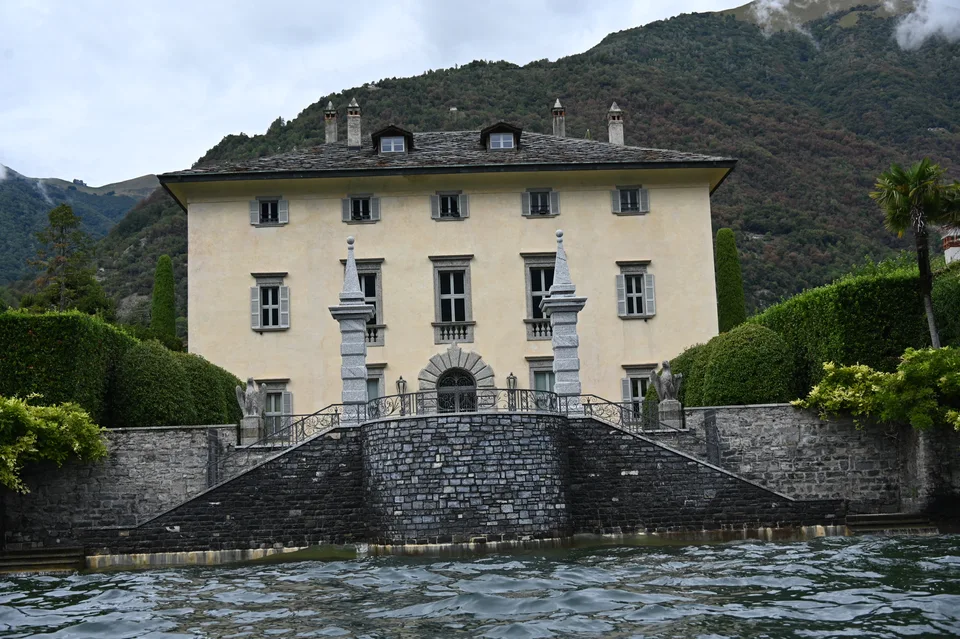
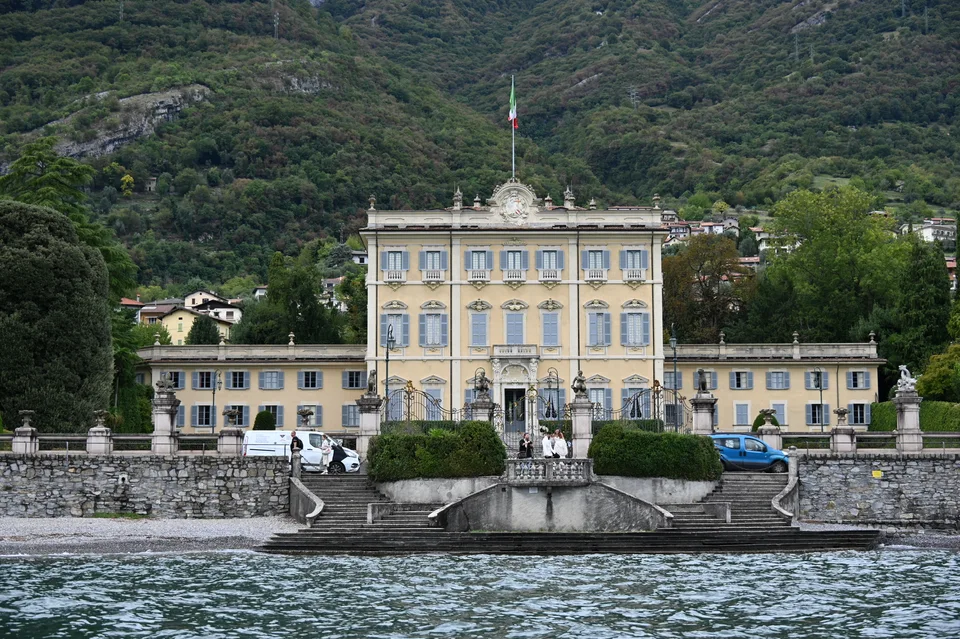
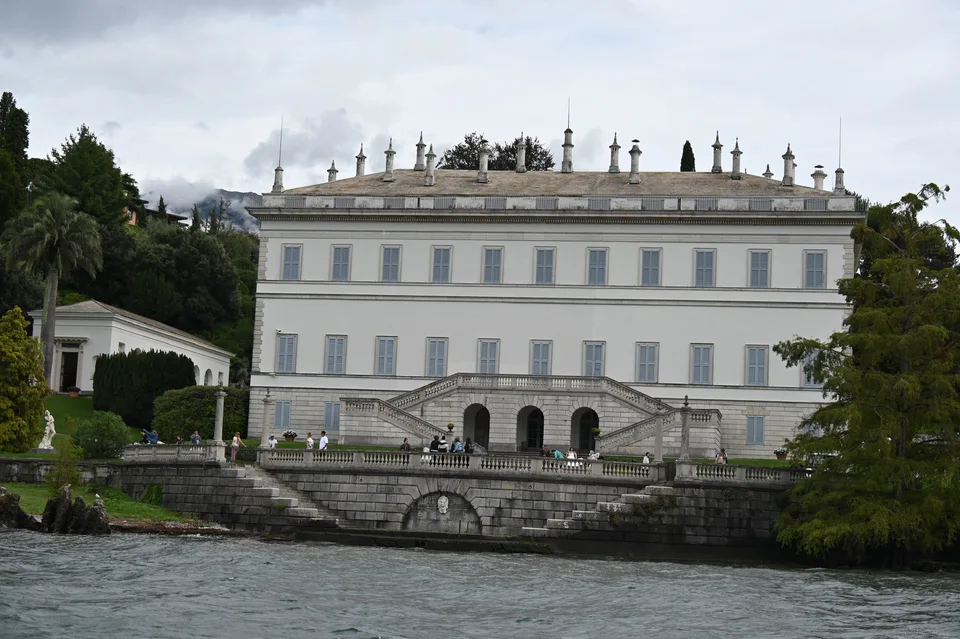
A manageable way to enjoy several enormous houses.
Villa del Balbianello appeared on its wooded promontory with the confidence of a place that knows precisely where the camera will be. The loggia’s arches opened above the terraced garden. Trees and clipped greenery softened the stone without disguising the control behind it.
The villa’s last private owner, explorer Guido Monzino, left it to FAI in 1988. His expedition collections remain inside. We saw its theatrical exterior from the boat, where the arches and the water were enough to absorb us. It is a satisfying contradiction: a house associated with travel to difficult places, set in surroundings that make going anywhere else seem a questionable decision.
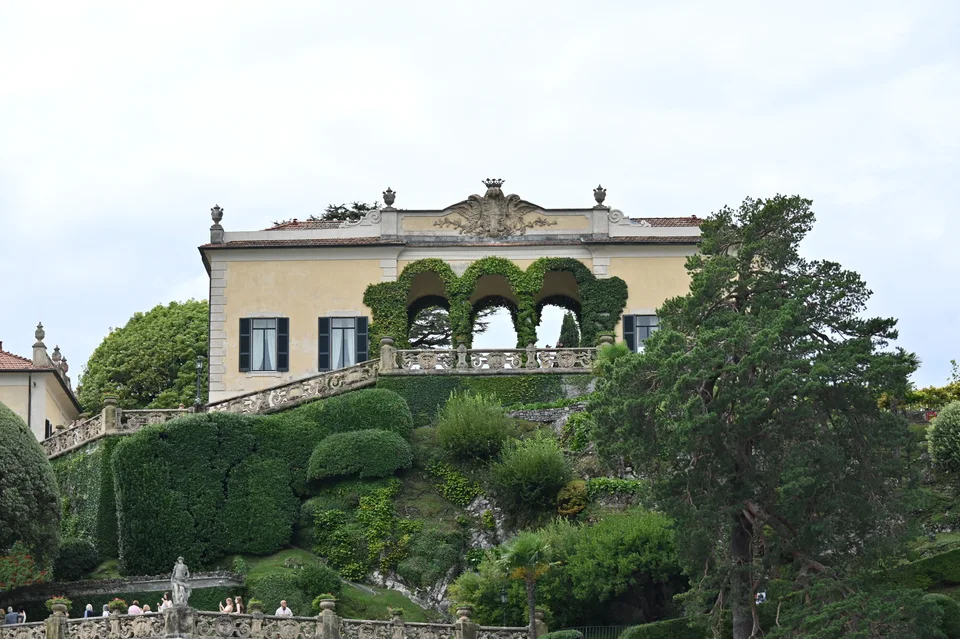
Some houses understand their angles.
The gardens along the shore deserved as much attention as the buildings. Cypresses drew dark vertical lines against the hills. Hedges had been persuaded into exact shapes. The steep ground made every terrace look considered, each level borrowing its backdrop from the mountains.
We passed Villa Carlotta’s white façade and the grand hotel frontage at Tremezzo. Carlotta combines an art collection with a botanical garden; the lake gives it a rather unfair advantage before the visitor even reaches the gate. Our view was from the water, which has its own particular pleasure: the entire composition arriving together, then slowly turning away as the boat moves on.
“The lake was never empty space between attractions. It was what joined them.”
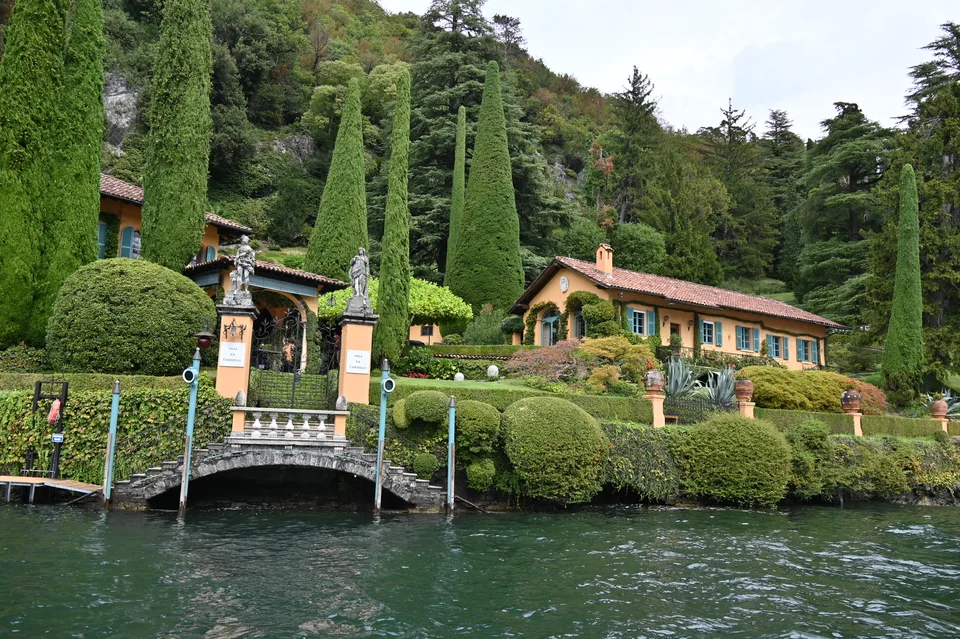
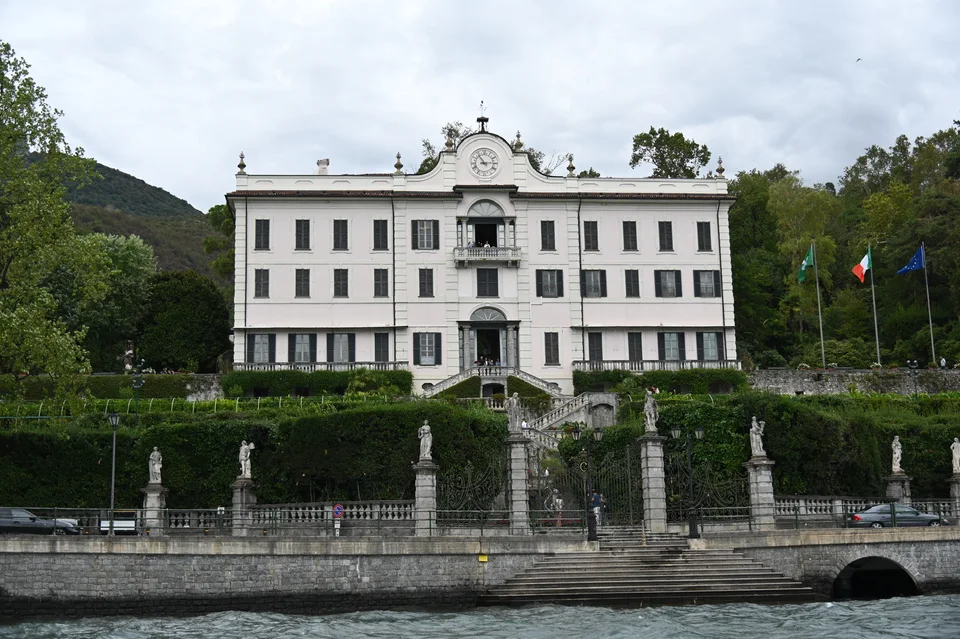
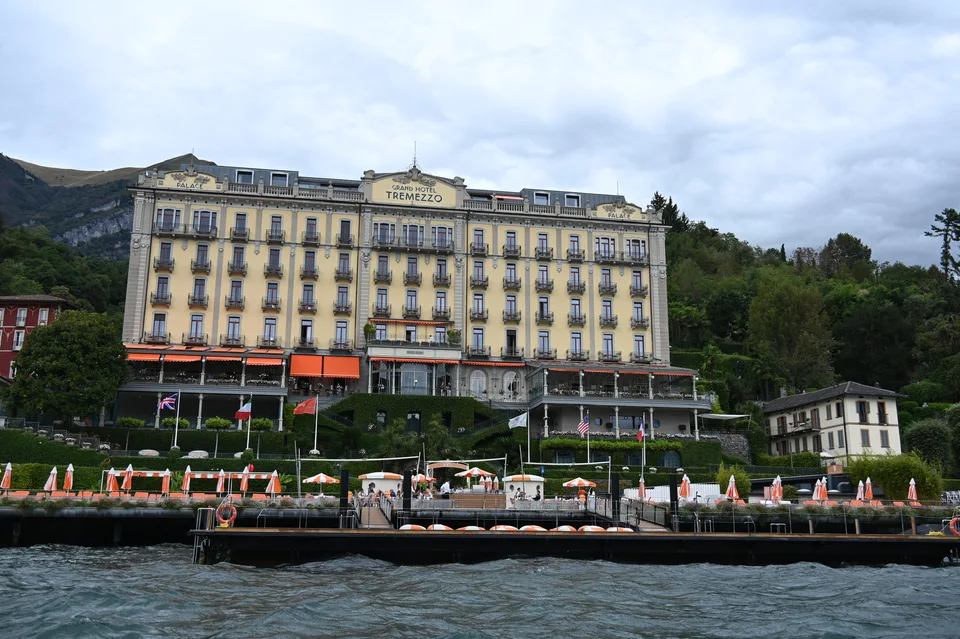
The gardeners were clearly not working part-time.
Between the famous façades, the smaller waterfronts held our attention. A church tower, boats on their moorings, a handful of houses spreading along the foot of a slope. The lake was never empty space between attractions. It was what joined them, reflecting cloud and mountain and occasionally shaking the whole arrangement into fragments.
We passed a wooden passenger boat beneath a heavy growth of ivy. Elsewhere, sailboat masts made thin lines against the village. The scene was busy with practical things as well as beautiful ones: places to tie up, steps to climb, routes across the water. It helped to remember that someone else’s spectacular view is also somebody’s way to work.
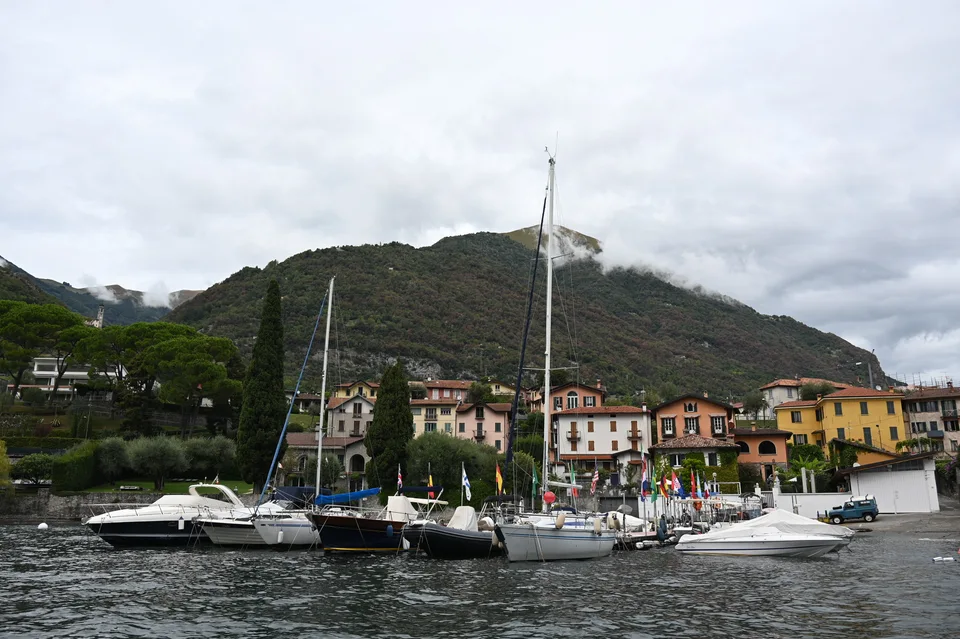
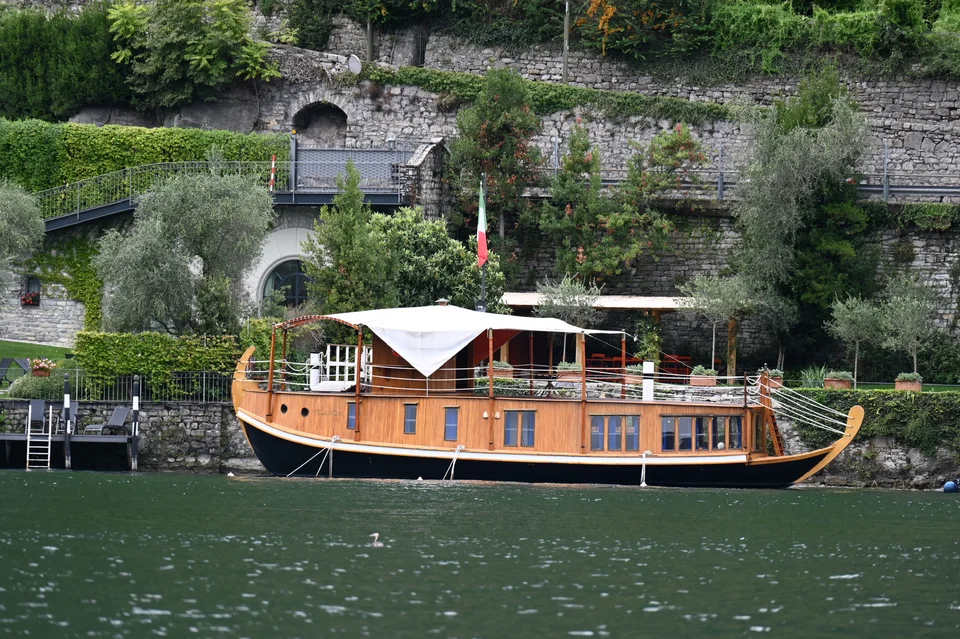
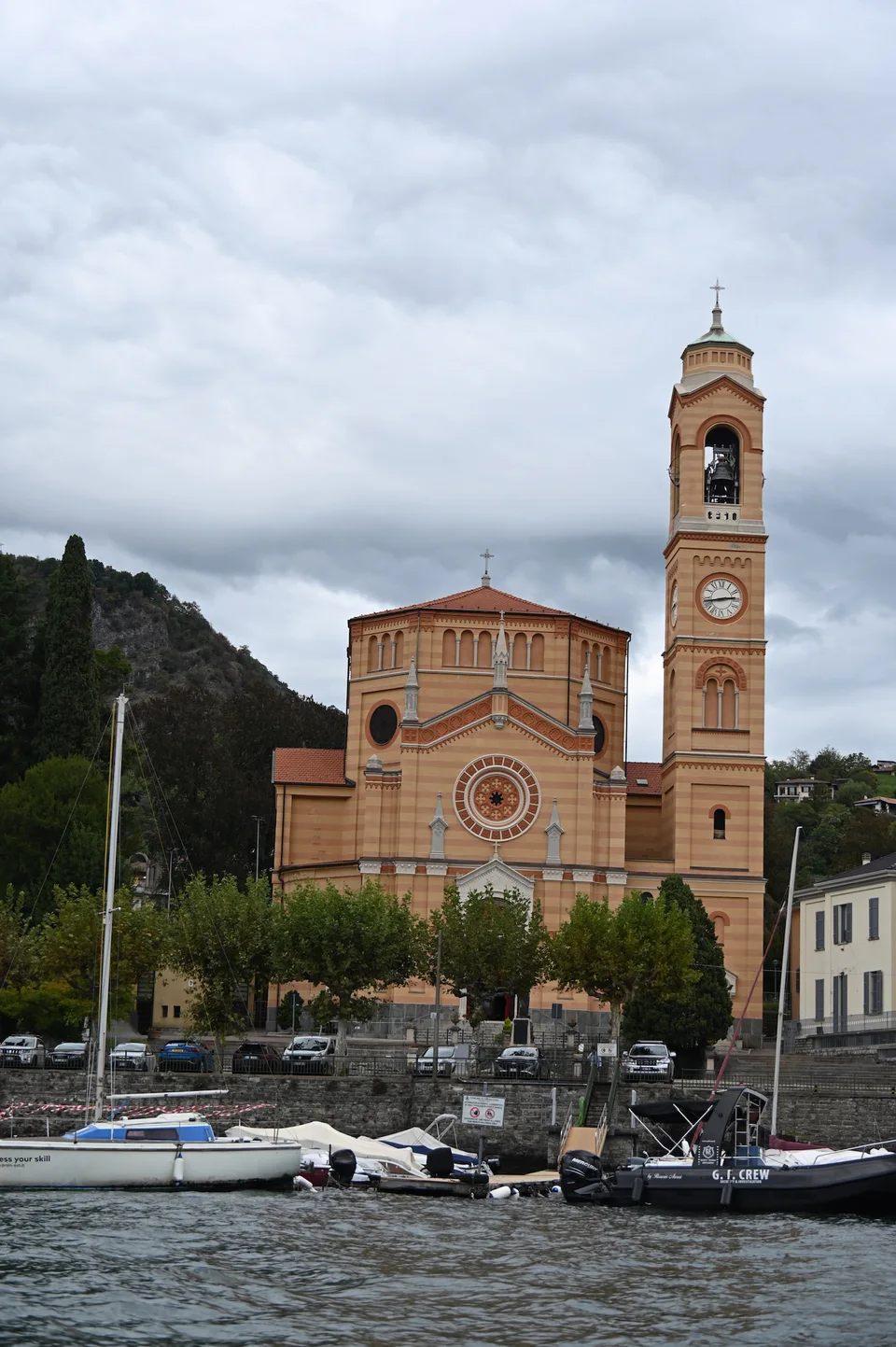
Even the commute had good scenery.
Back on the steps
Varenna gathered its colors close to the water. From the lake, the buildings looked almost pressed against one another by the green hillside behind them. On shore, the scale changed to doorways, a square, a stone bell tower and little stretches of shade.
We found the yellow frontage of Hotel Royal Victoria and lingered around the village. The appeal was in the short distances between things: a few steps from the lake to a lane, another turn toward a shop, a church tower appearing where the roofs broke apart. After the boat’s continuous panorama, it was good to let the view become small enough to walk through.
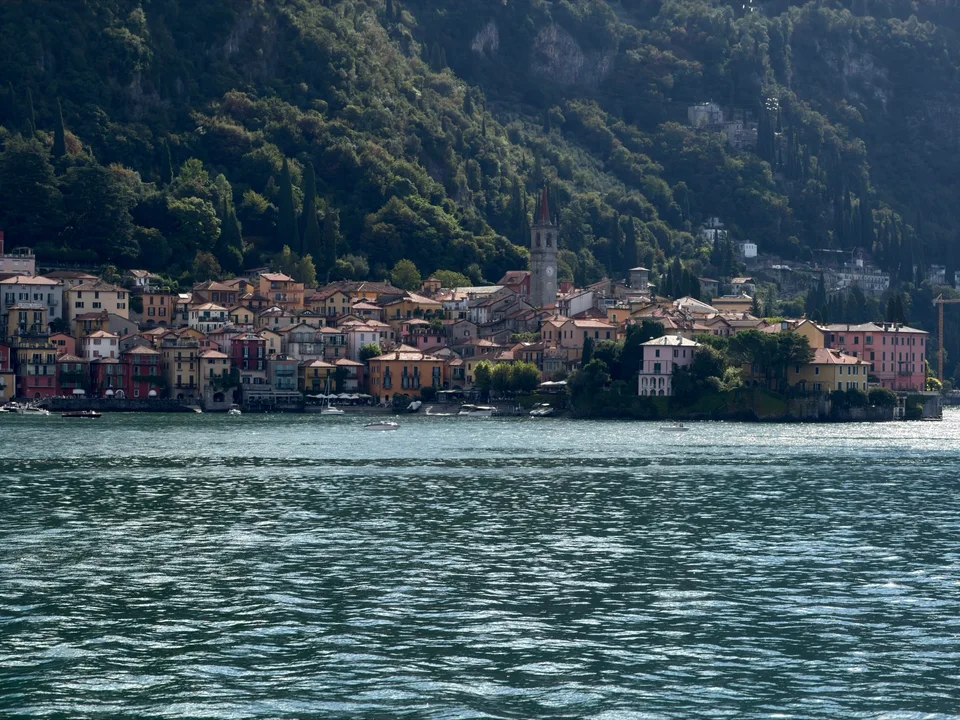
Varenna had brought the whole paint box.
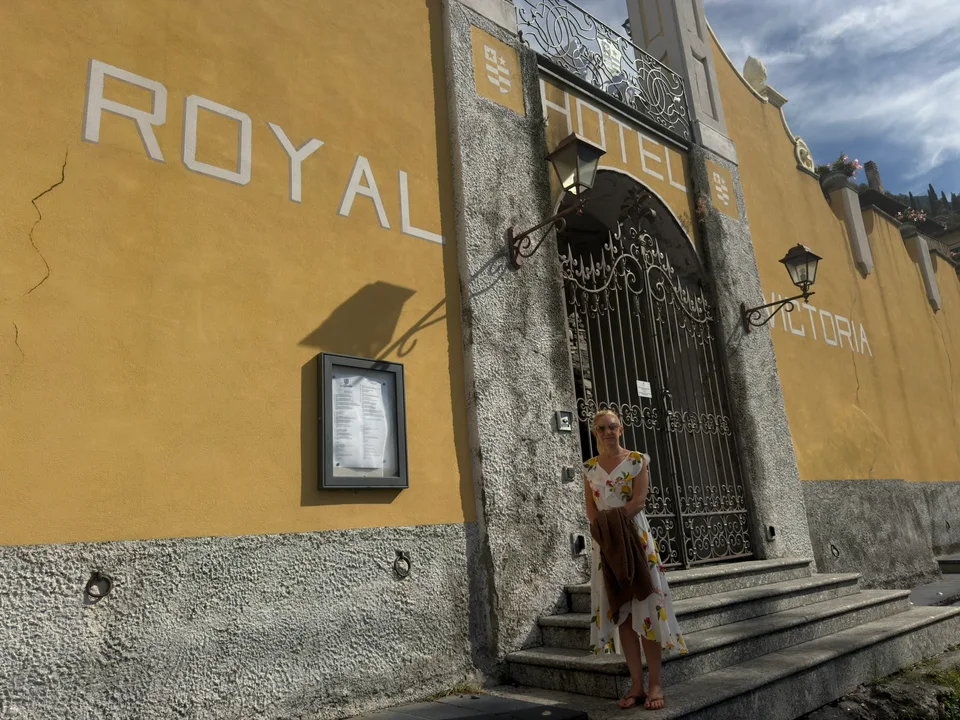
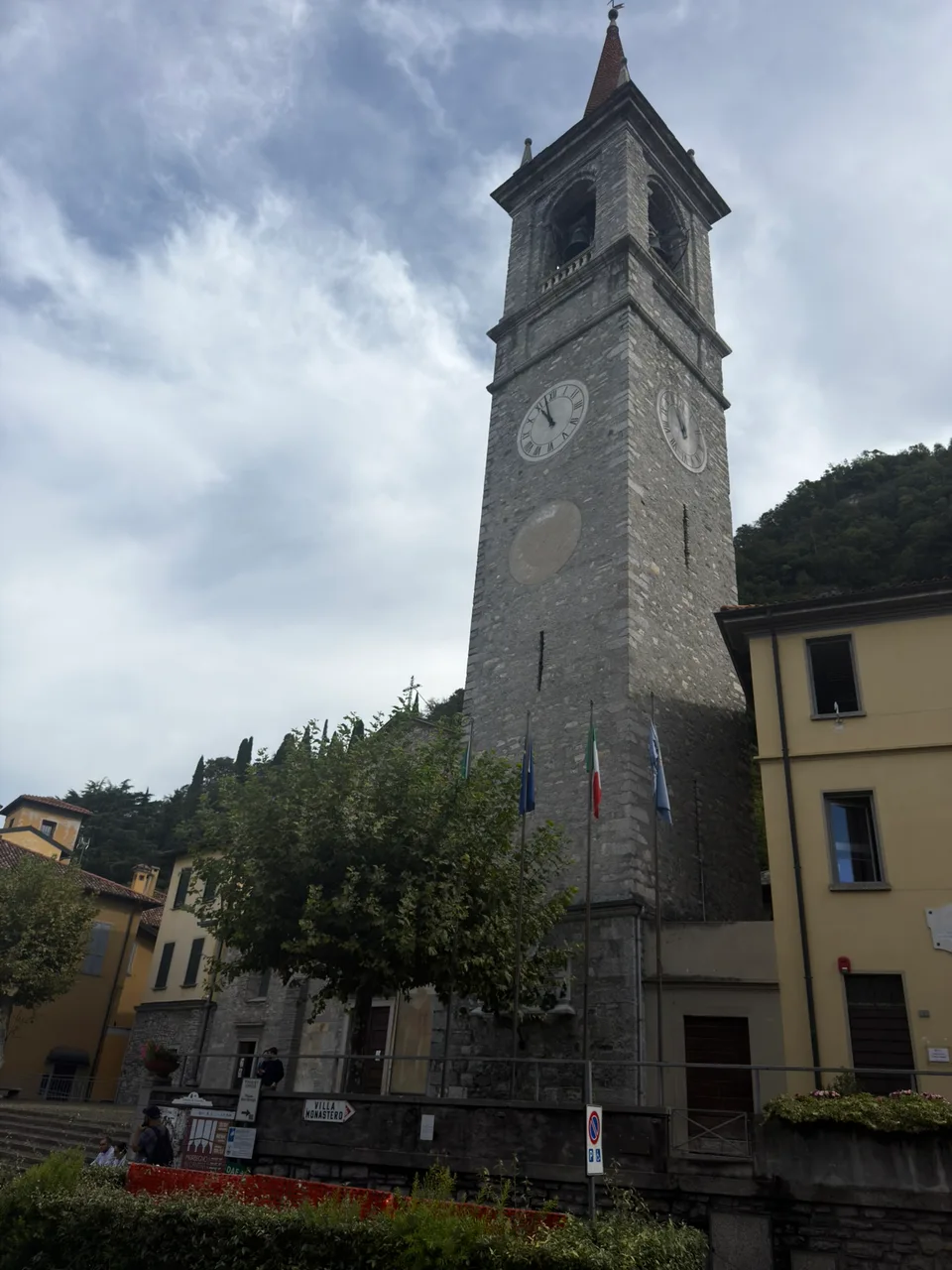
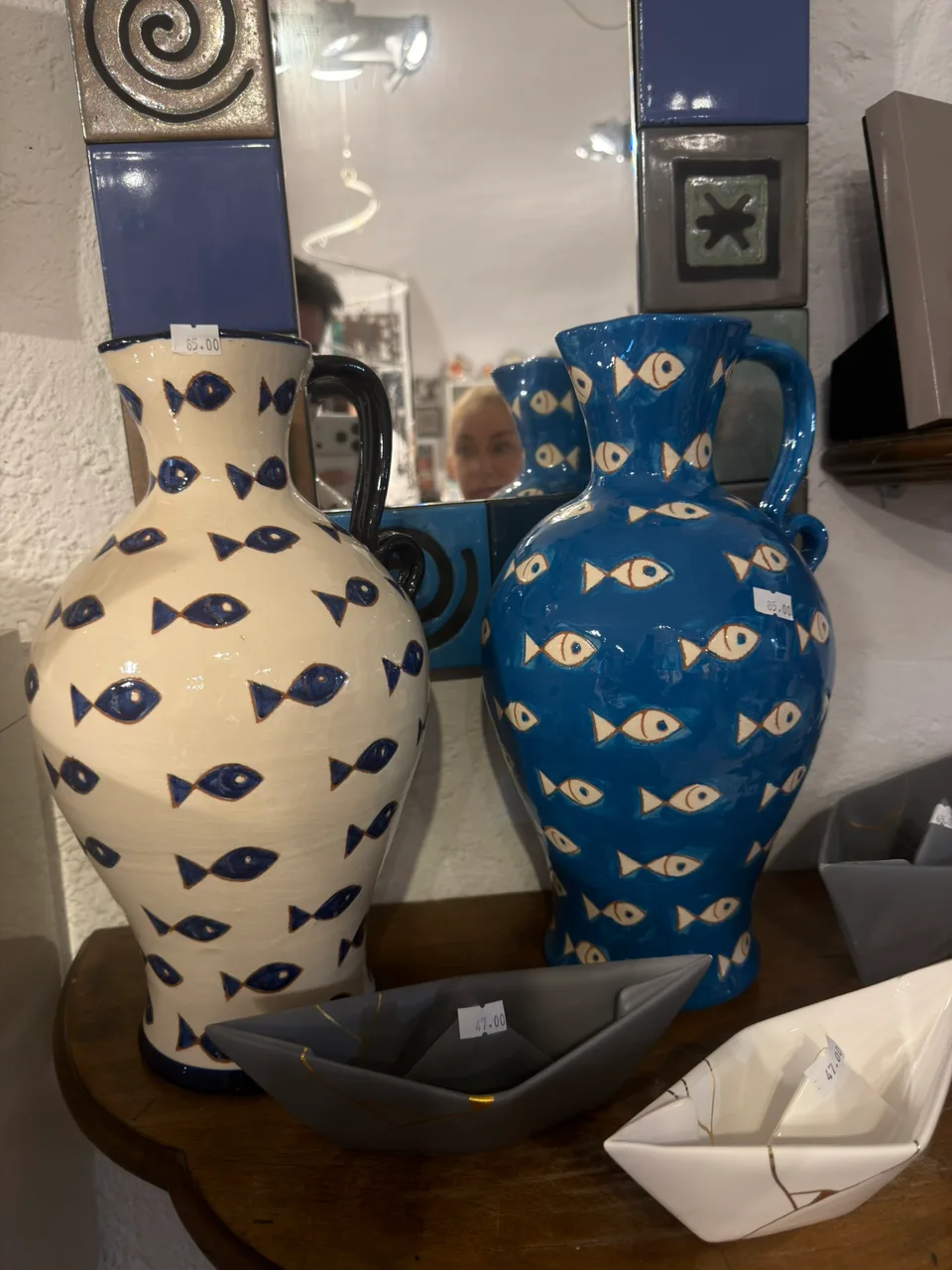
A few turns inland, at a slower speed.
Bellagio’s lanes had their own vertical ambitions. Shopfronts lined the steps, inviting the visitor to stop often enough to pretend the climb was entirely voluntary. Ceramics and fabrics competed with the agreeable prospect of sitting down somewhere. The lake would return between buildings just when we had almost stopped looking for it.
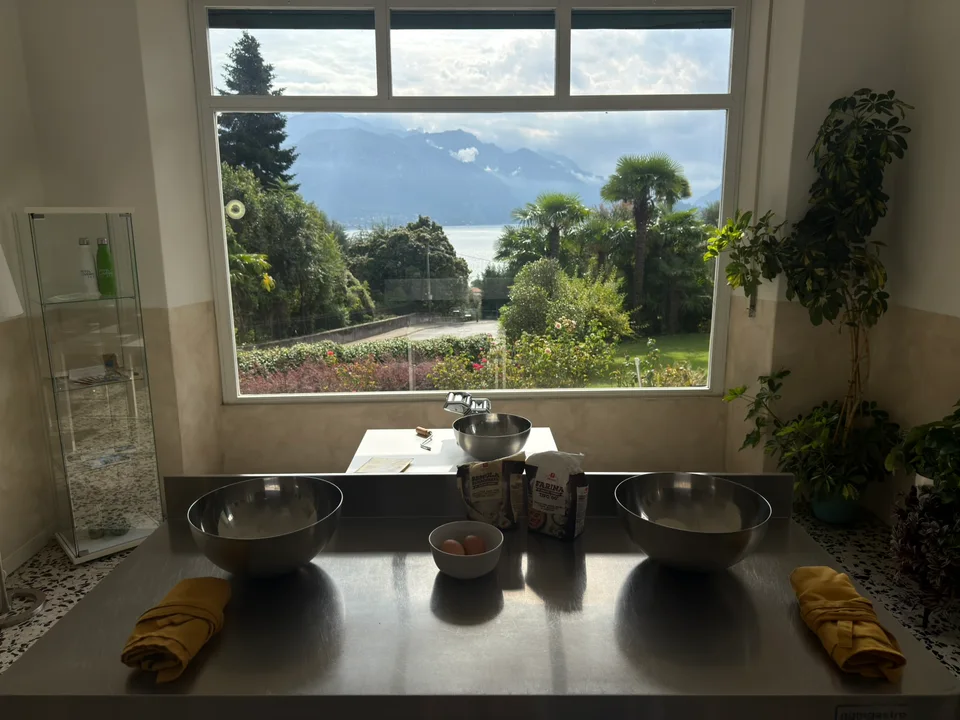
The boat made everything feel effortless; the stone streets restored a little useful perspective. We were still two people carrying a camera around Italy, occasionally hungry and very easily distracted. The pasta helped. So did not treating every pause as a gap in the day. At Como, the pauses often had the best part of it.
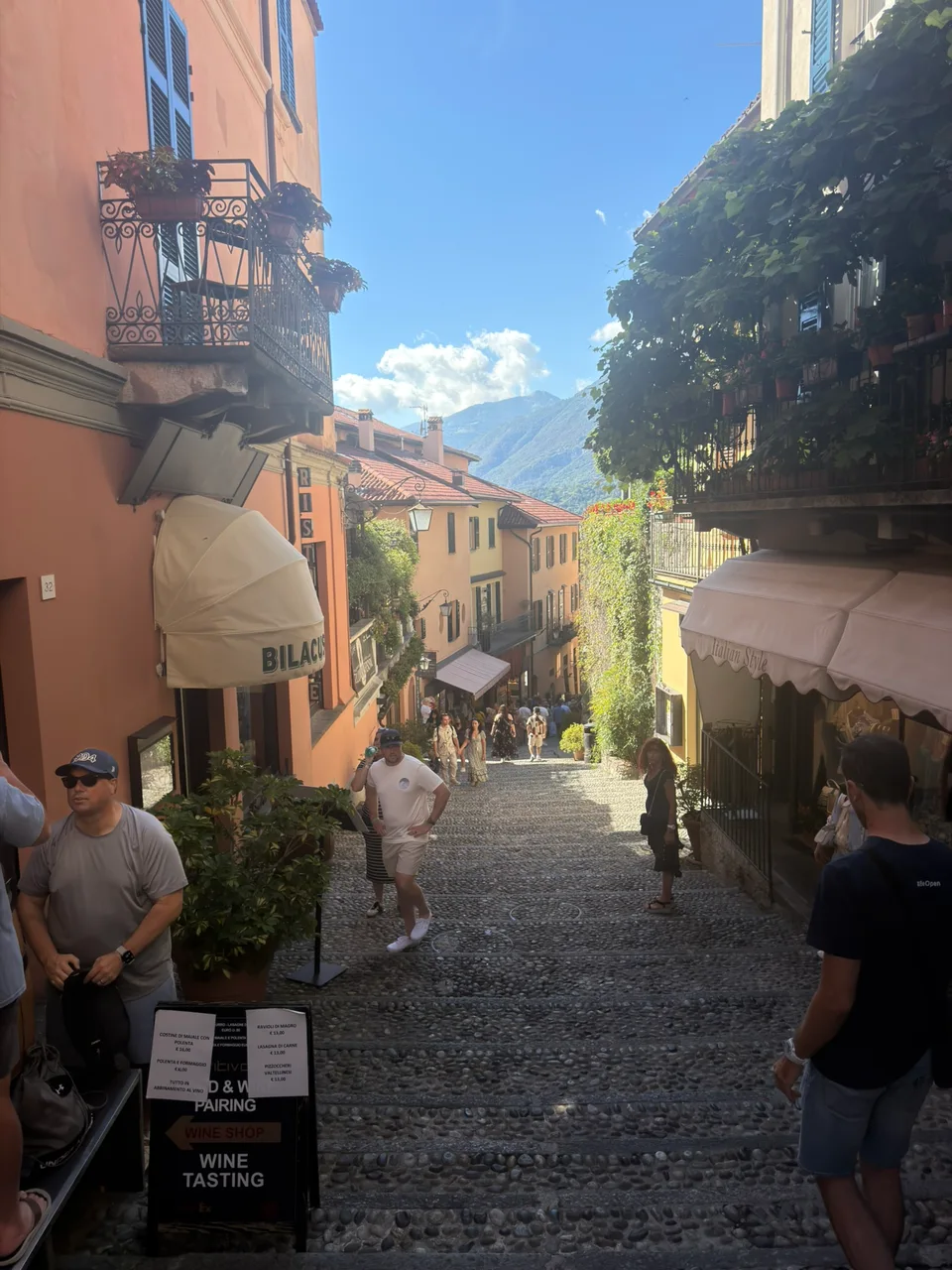
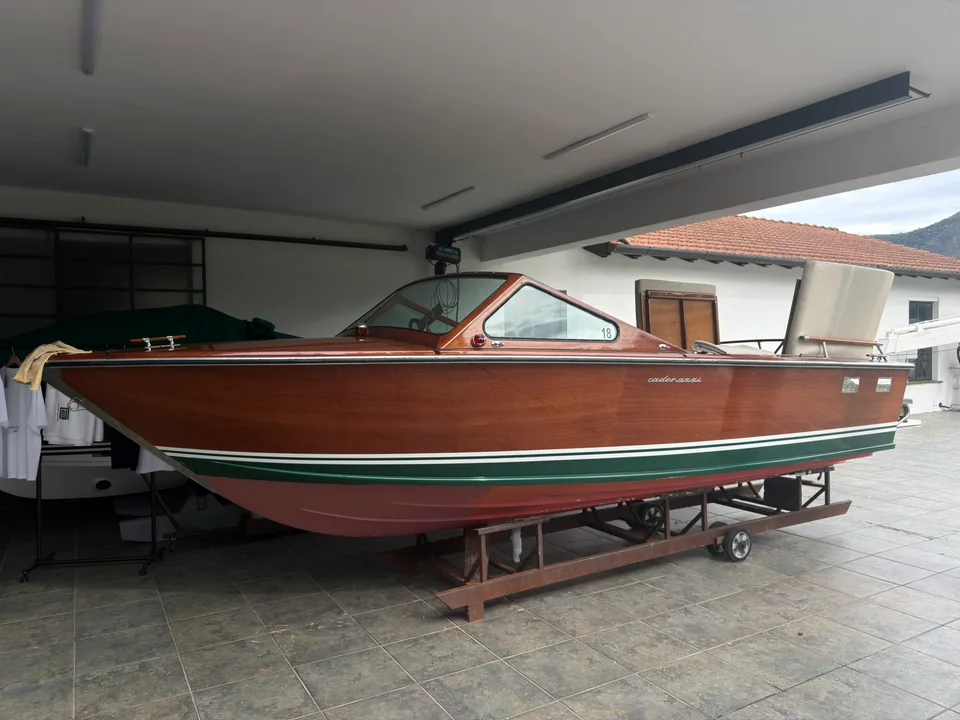
The legs handled the inland portion.
There was another version of the lake under cloud. The mountain ridges lost their sharp edges. The water darkened, and the opposite shore began to look farther away than it had in sunshine. We liked the change. Beautiful places become more interesting when they are allowed a mood beyond the one advertised.
We sat together in the bow as the boat crossed beneath the gray sky. Behind us, the hills folded into one another. It was less like occupying a postcard than being briefly inside a landscape that would carry on changing whether we photographed it or not. We took the picture anyway. We are romantic, not immune.
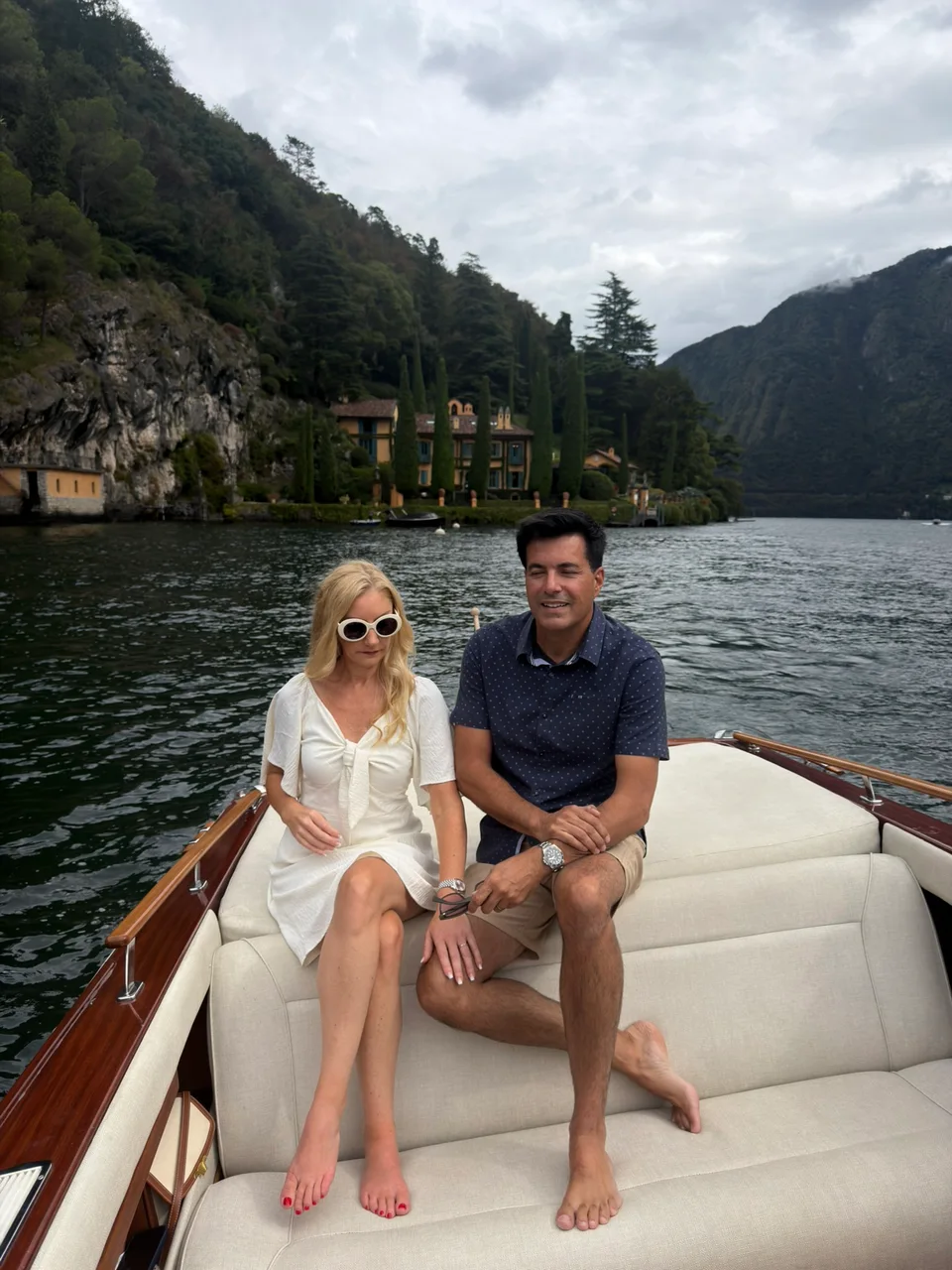
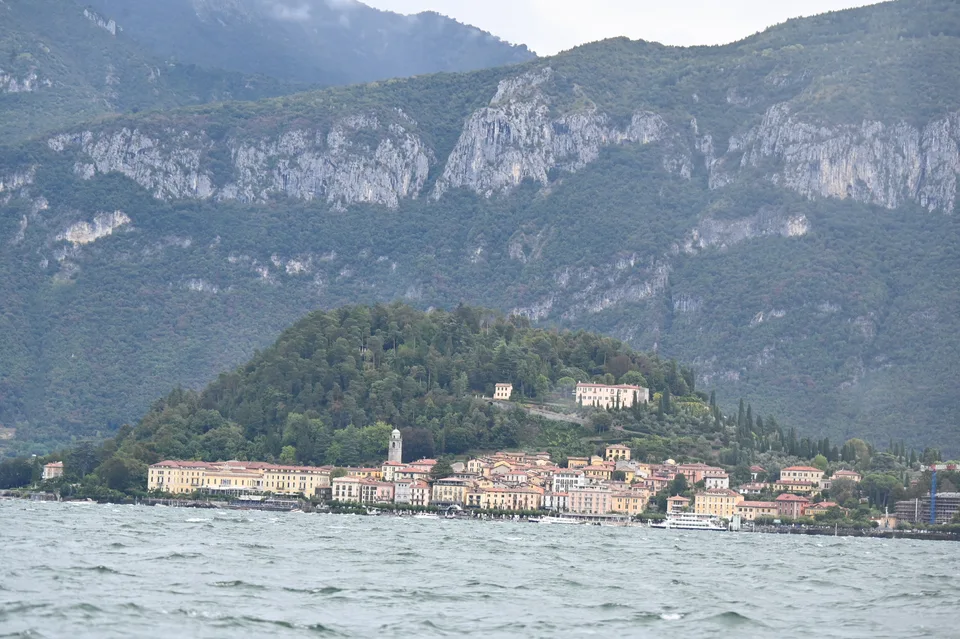
The lake was allowed a change of mood.
The lights come on
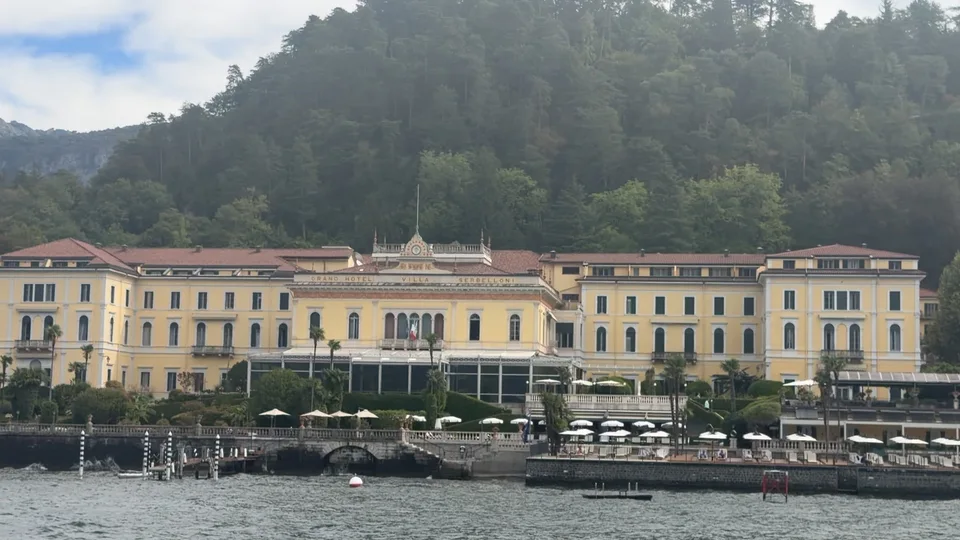
By evening, Bellagio had reduced the volume. The water beside the landing stages took on a deeper blue, and the lights of the hotels began appearing across it. Grand Hotel Villa Serbelloni’s façade glowed above the pavement, a different kind of spectacle from the sunlit shoreline.
The day had involved a surprising amount of looking for an activity that had felt so unhurried. We had watched houses arrive and disappear, followed streets up and down, and studied water with the seriousness people usually reserve for a spreadsheet. Nothing about it felt wasted. We were beginning to suspect our usual definition of a productive afternoon needed a little work.
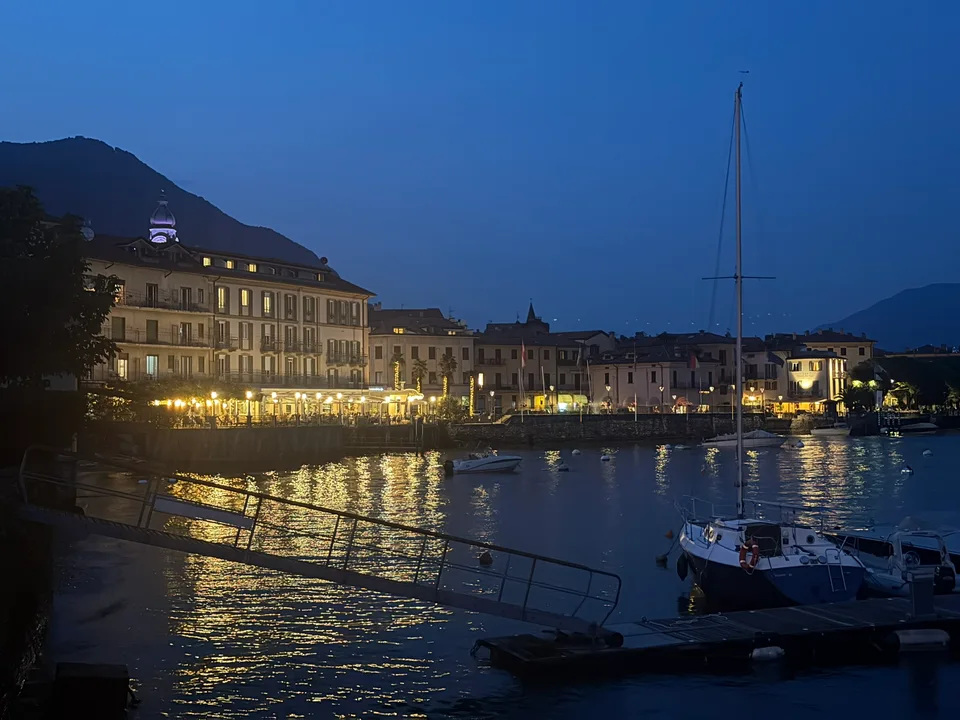
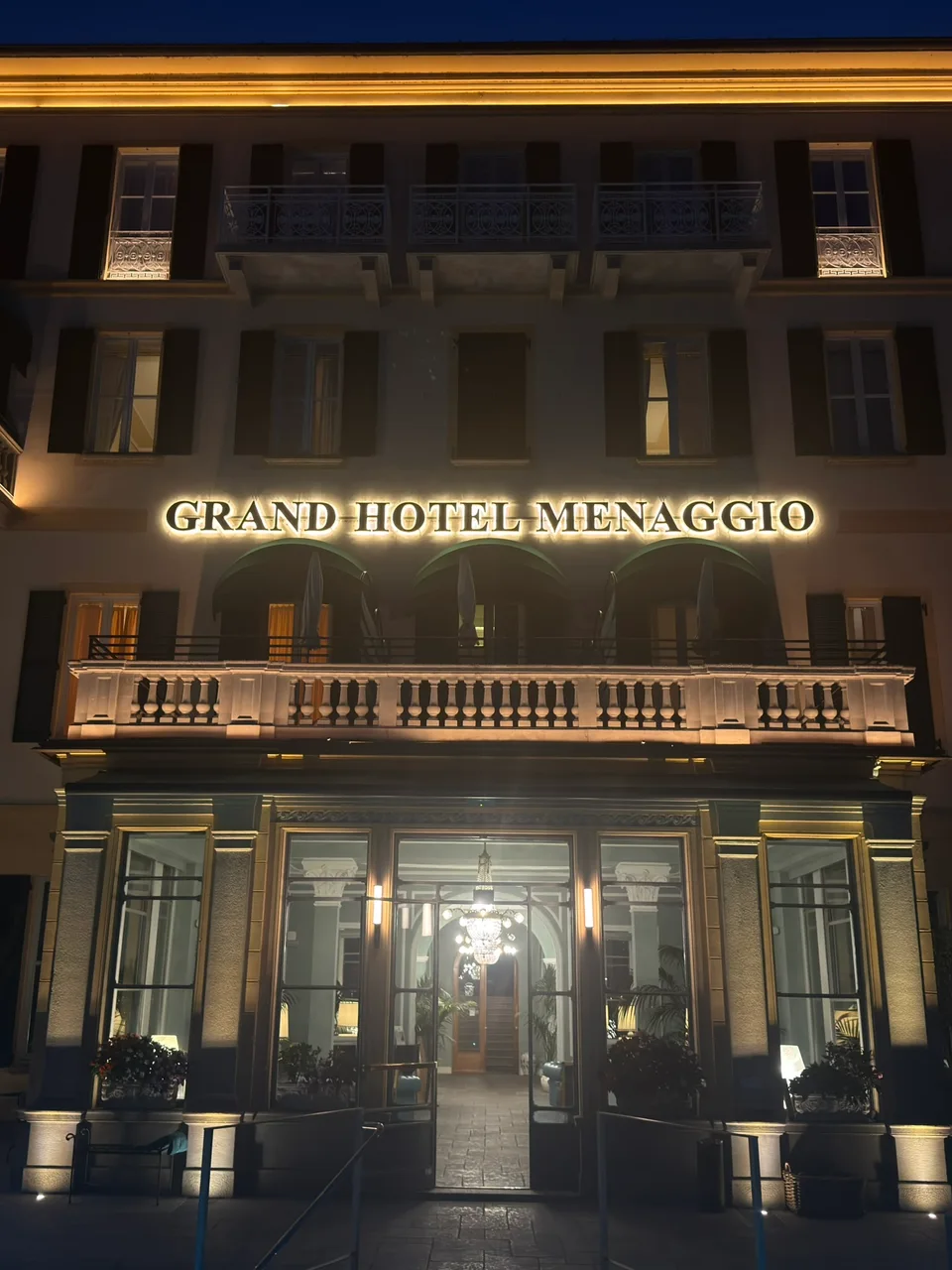
Bellagio, in its evening clothes.
The next morning’s view would not be identical. A different light, a boat in another place, clouds choosing which ridge to reveal. The lake could repeat itself endlessly without quite giving us the same thing twice.
We had come to Como expecting a beautiful place. What stayed with us was how readily it became a way of spending time: look a little longer, cross the water, take the steps, sit down. Somewhere beyond the mountains, the rest of the trip was waiting. For a while, it could keep doing that.
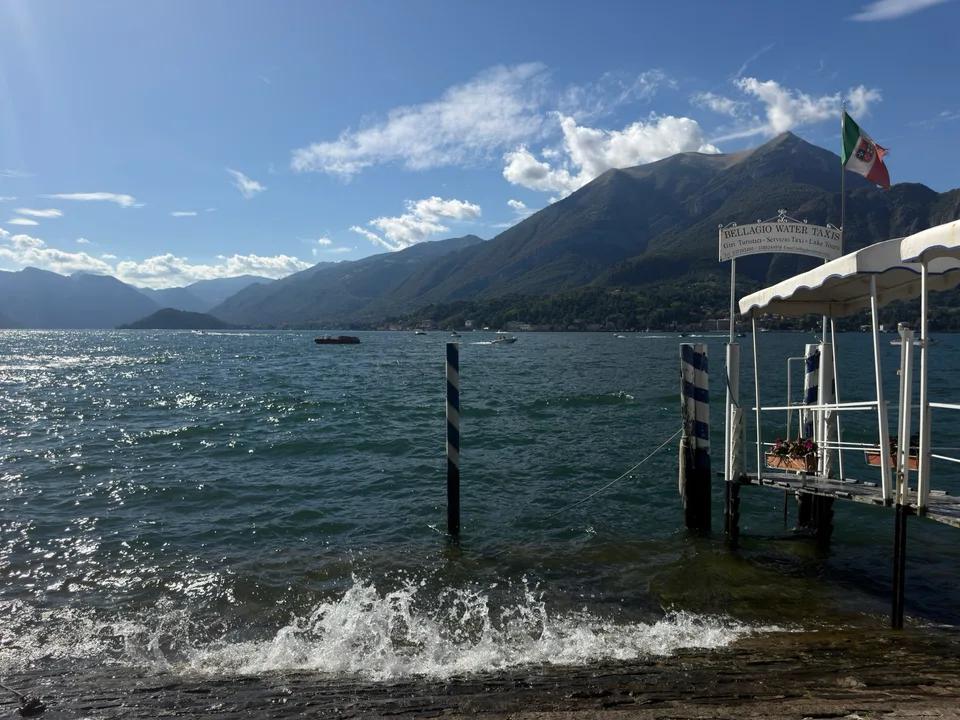
One last look, naturally.
Visited 2026 · Written 2026