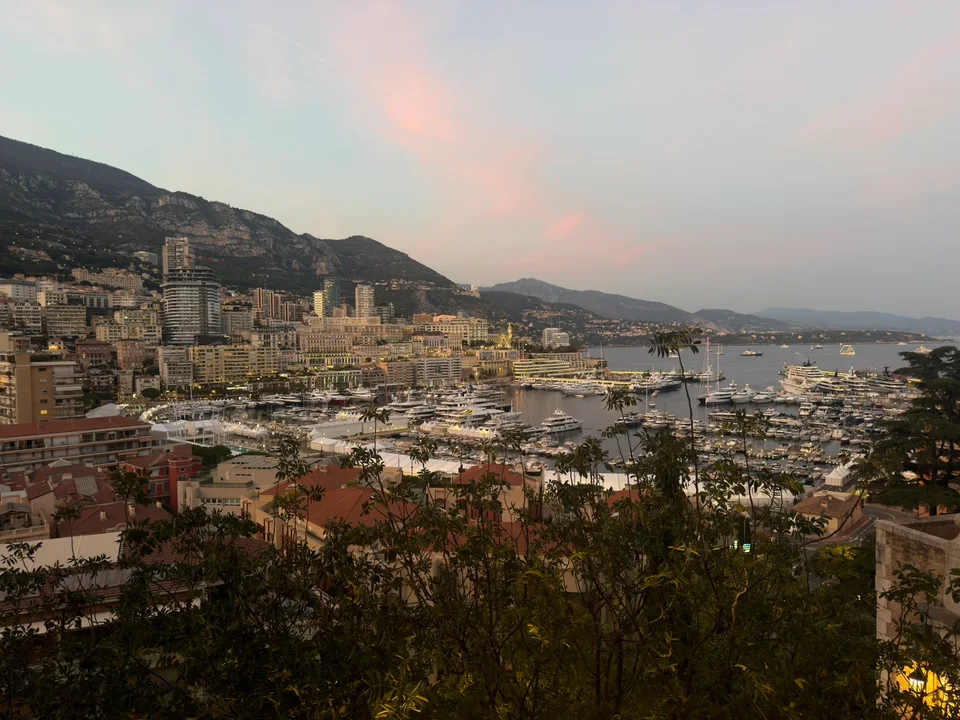
In Monaco, a yacht can make another yacht look financially irresponsible for being so small. We stood beside the harbor and tried to establish a sensible unit of measurement. Houses? Apartment buildings? At a certain point, counting decks seemed easier than considering how anyone filled them.
The Mediterranean was blue enough to make the entire exercise feel frivolous, which it was. We had come from Lake Como, where handsome villas had occupied the shore. Here, a substantial part of the architecture floated. Monaco was our introduction to a coast that could perform luxury at full volume, then surprise us with a quiet lane, a stone doorway or a bench beside the sea.
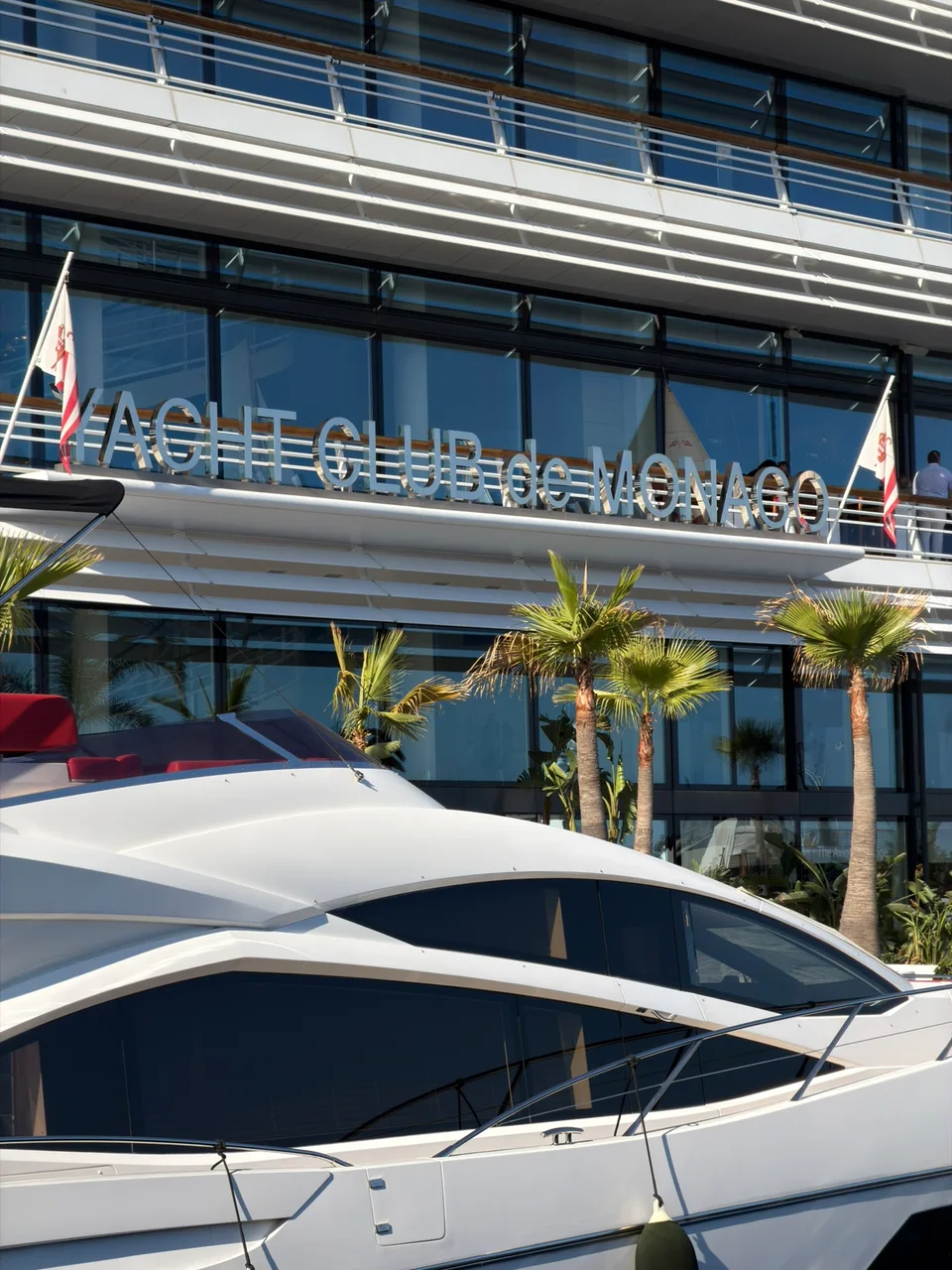
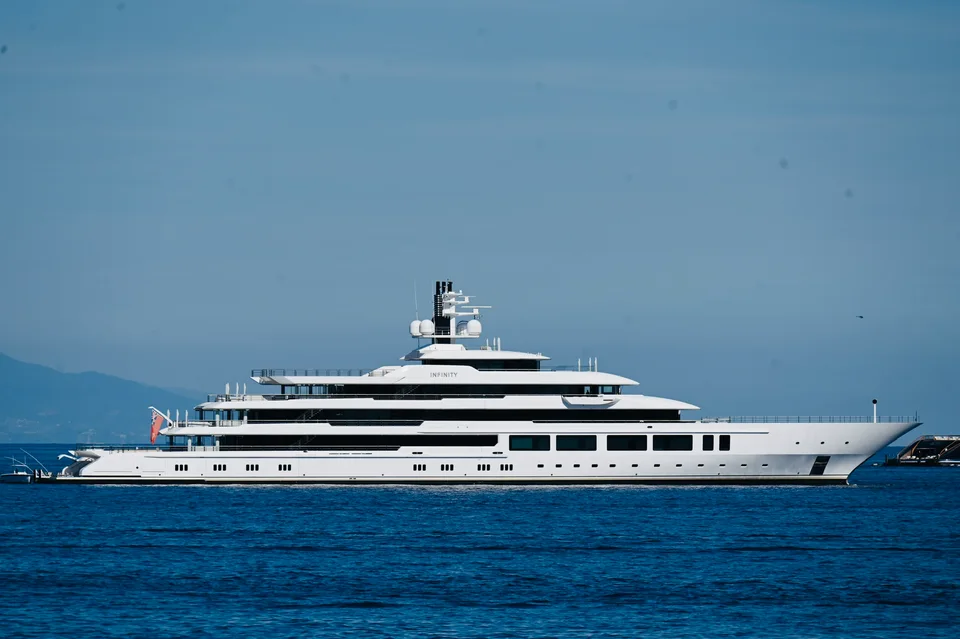
A small boat is a relative concept.
Monaco, with the volume up
At the Yacht Club de Monaco, the maritime theme continued indoors with considerably more polish. Model boats lined shelves. Lounge chairs waited beneath the open sweep of a staircase. A large clock hung overhead, apparently unconcerned that most of the people below it were trying to forget the time.
The clubhouse was designed by Norman Foster, and its long terraces make the connection to a ship easy to see. Walking out toward the harbor, we watched the building become a frame for everything beyond it: masts, hulls, hillside and water. The pleasure was in the design as much as the display. Someone had considered where a person would stand and what they would see from there.
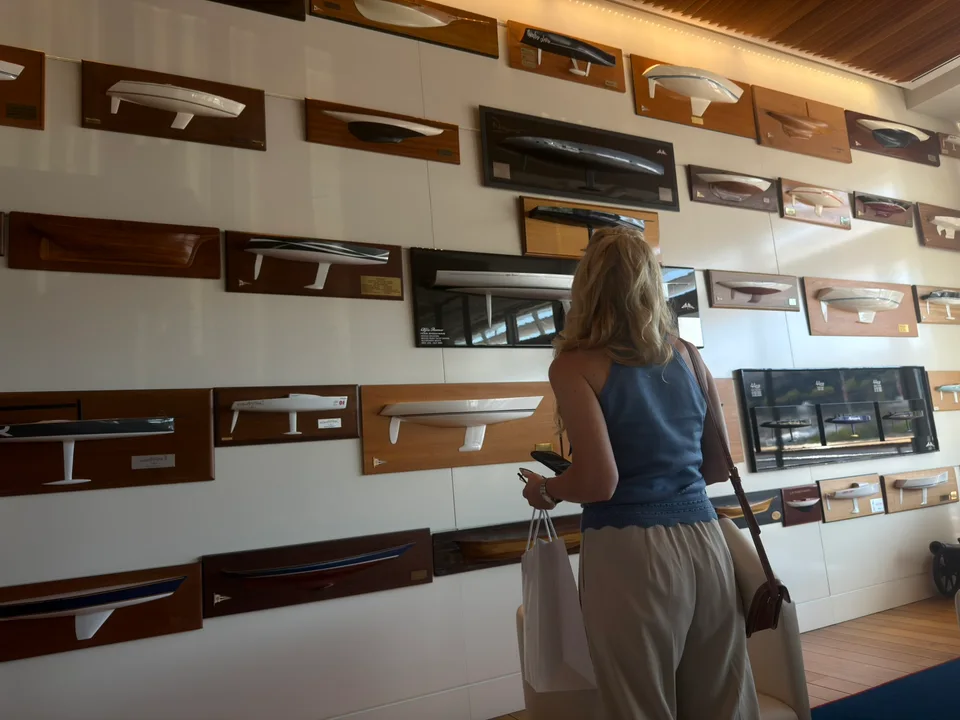
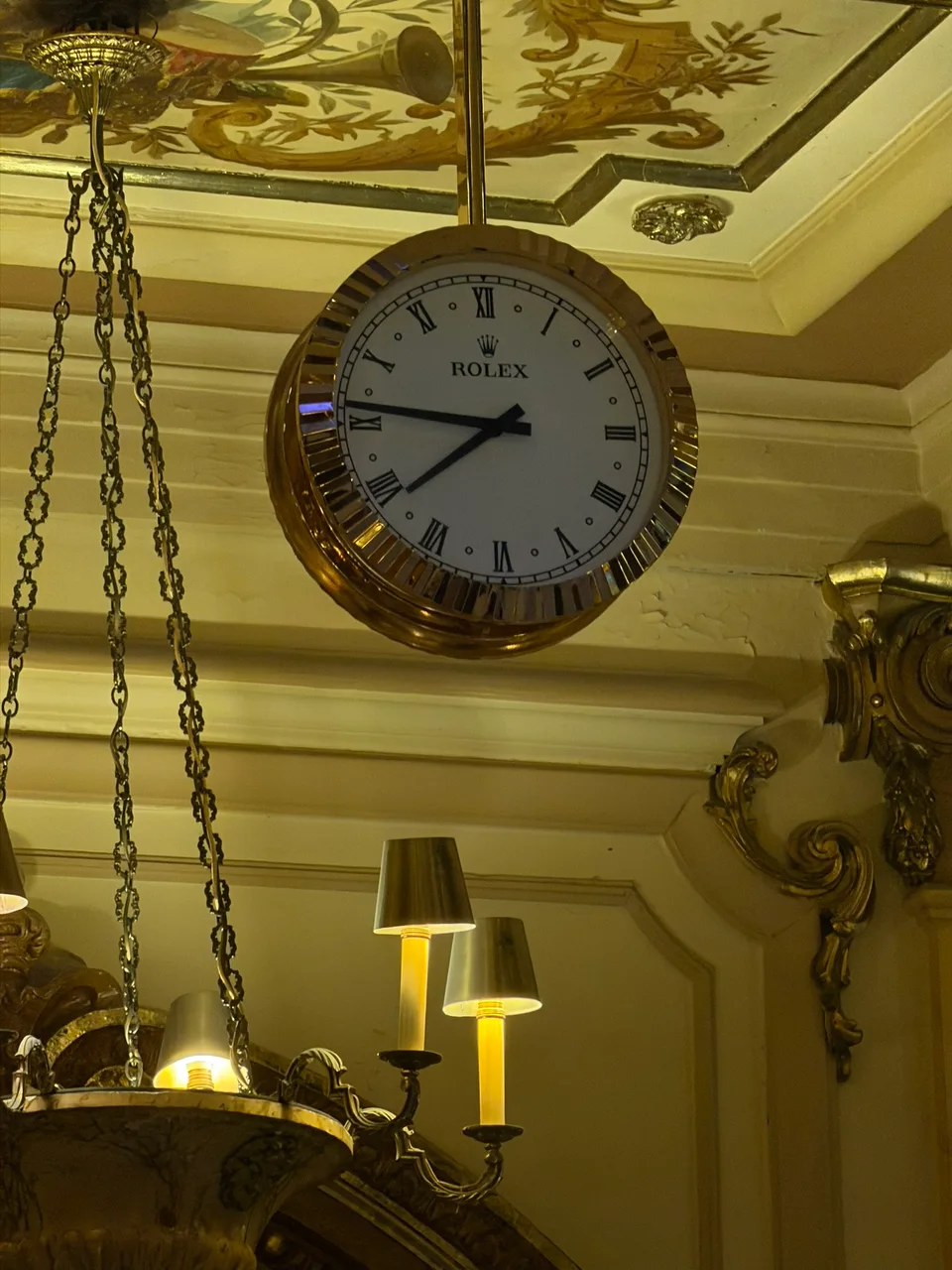
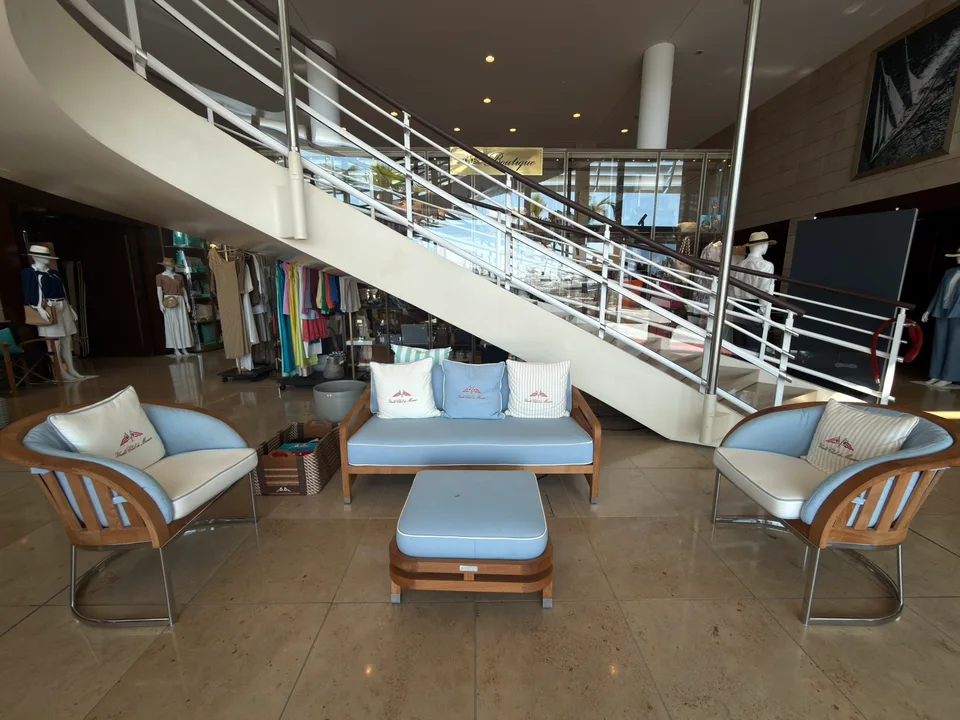
The nautical collection had excellent storage.
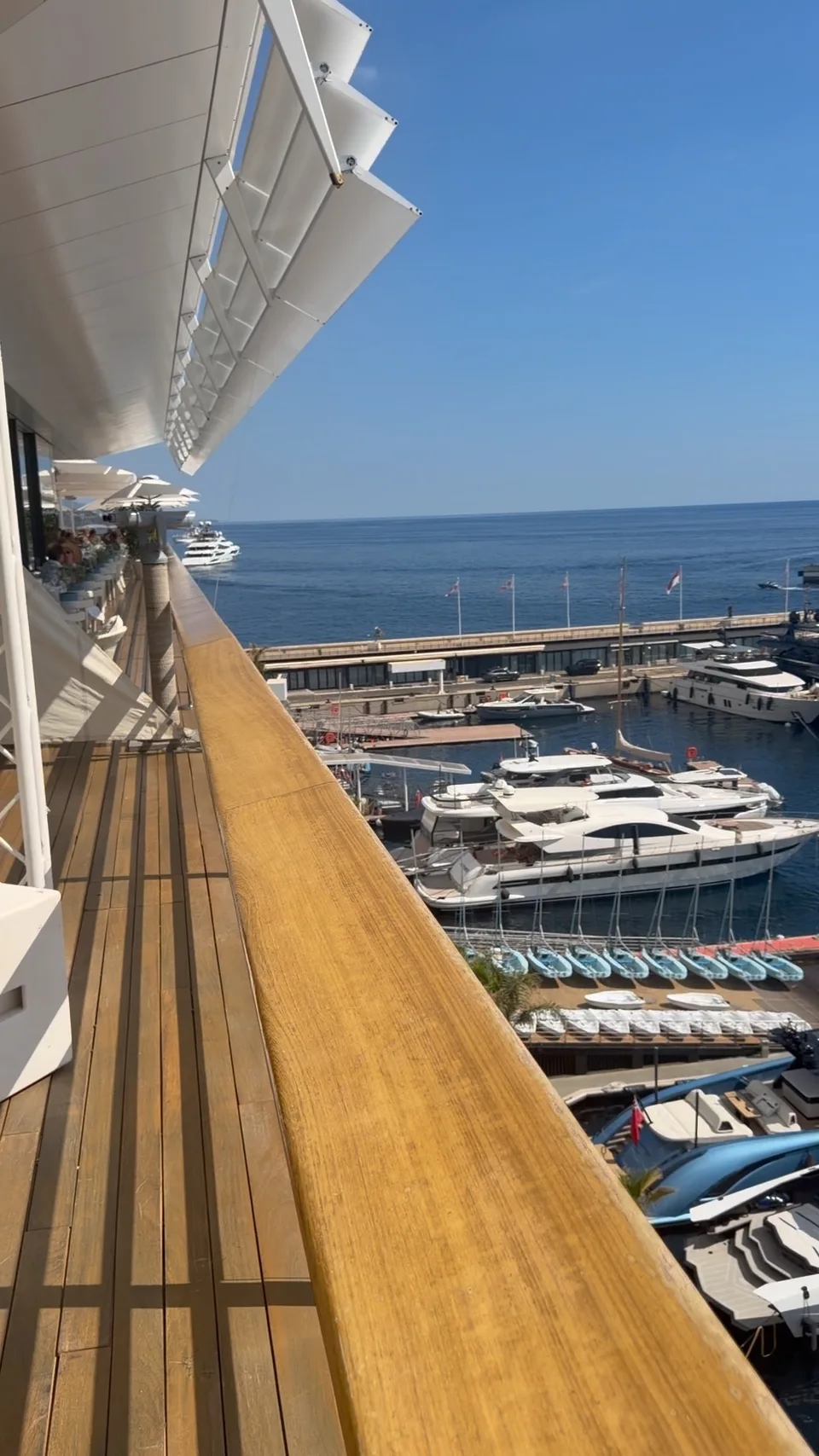
A deck with very little to complain about.
Monte-Carlo carried the performance into the streets. The casino façade arranged towers, sculpture and ornament into a remarkably confident invitation to enter. Charles Garnier, the architect of the Paris opera house, helped give the casino complex its theatrical grandeur. It seemed appropriate. Even before a game begins, the setting has established that ordinary life should wait outside.
We liked standing back and watching the square as much as looking at the building. People paused, cameras rose, cars drew attention. The spectacle was available on several levels, and nobody appeared troubled by the possibility of being observed. We contributed our share of looking. It was difficult not to.
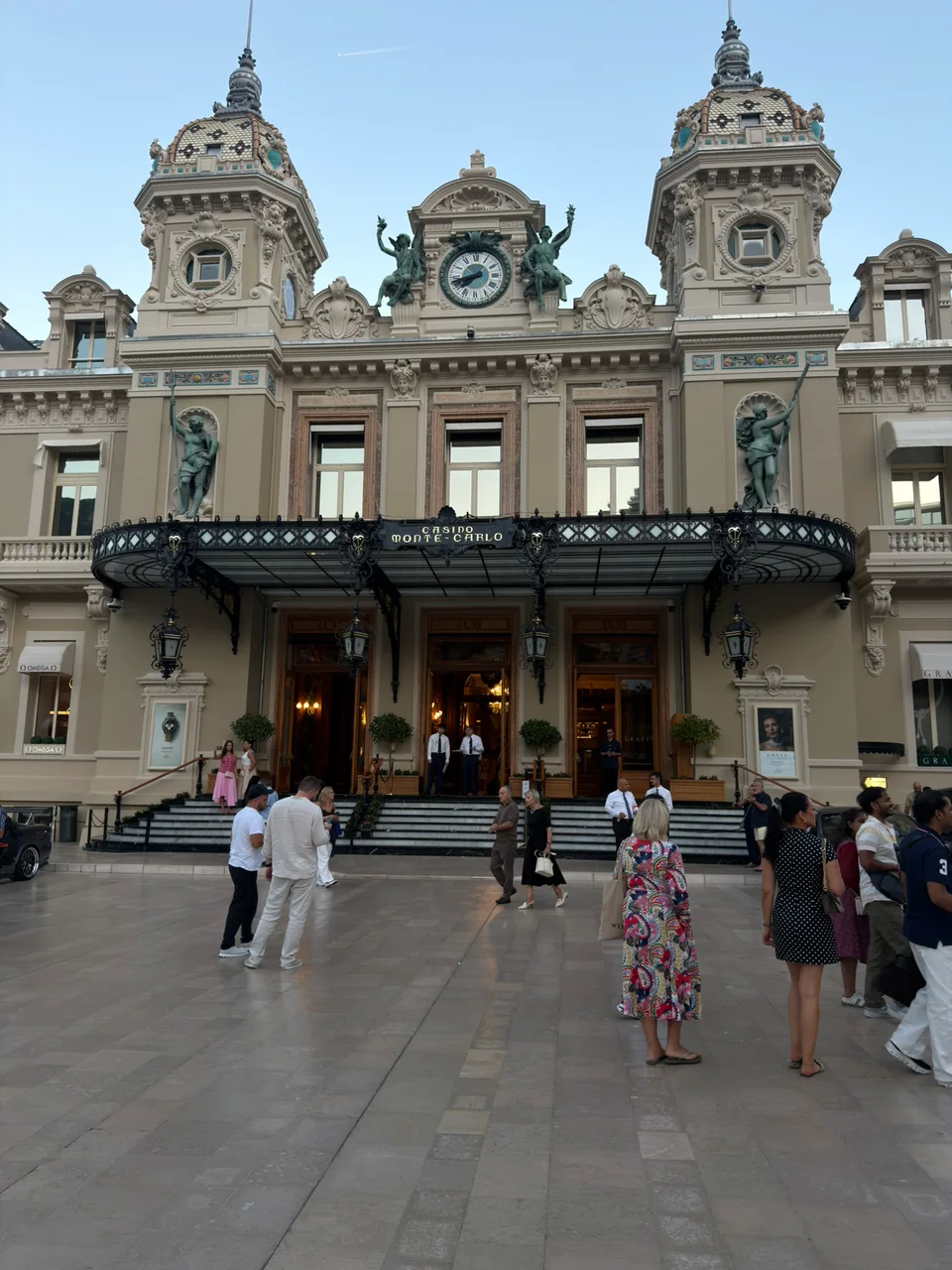
The entrance had already made its opening bet.
At the Fairmont hairpin, the road folded tightly around itself. Seen on television during the Grand Prix, Monaco can look like a circuit with buildings inconveniently close to it. Standing there, it became a real street again, with traffic negotiating a corner that made the geometry feel personal.
Then we climbed into Monaco-Ville and found a different scale. The lanes narrowed. The cathedral drew our attention into its pale columns and rounded apse; outside, the palace caught the evening light. From the Rock, the harbor spread below us, densely packed and wonderfully improbable. The giant boats had finally become small enough to fit into the view.
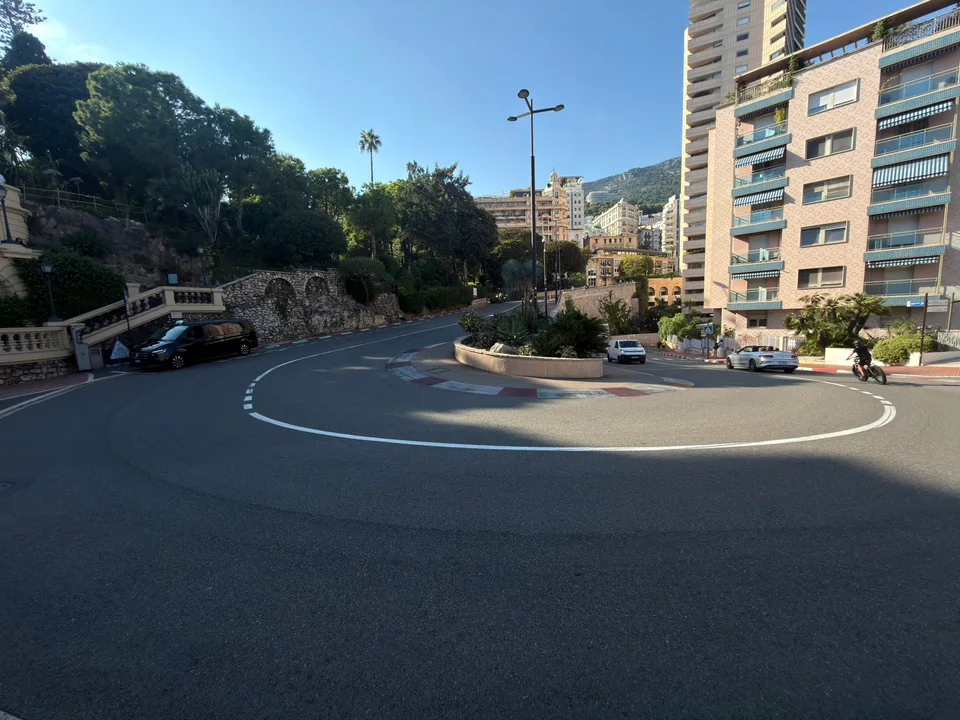
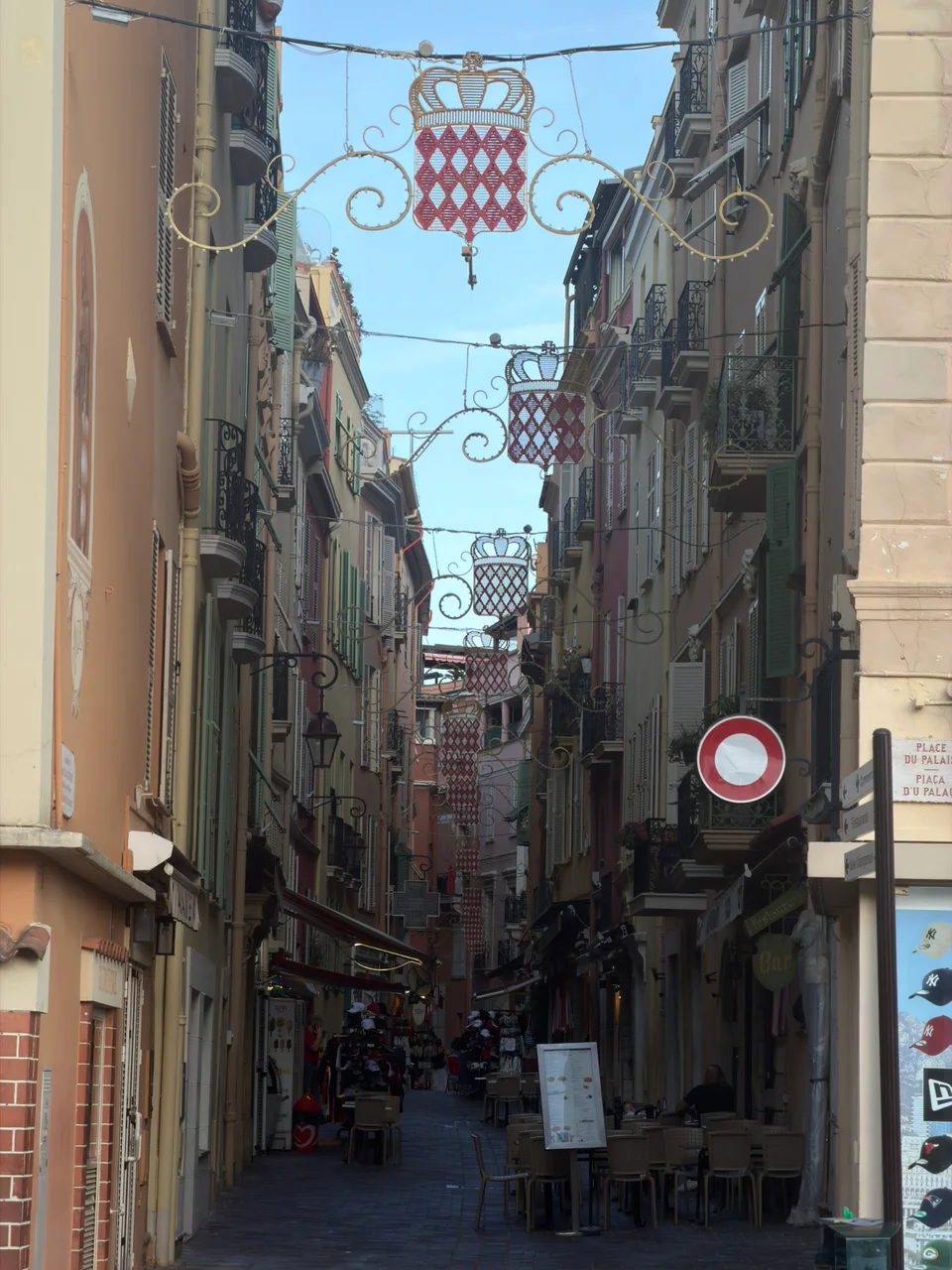
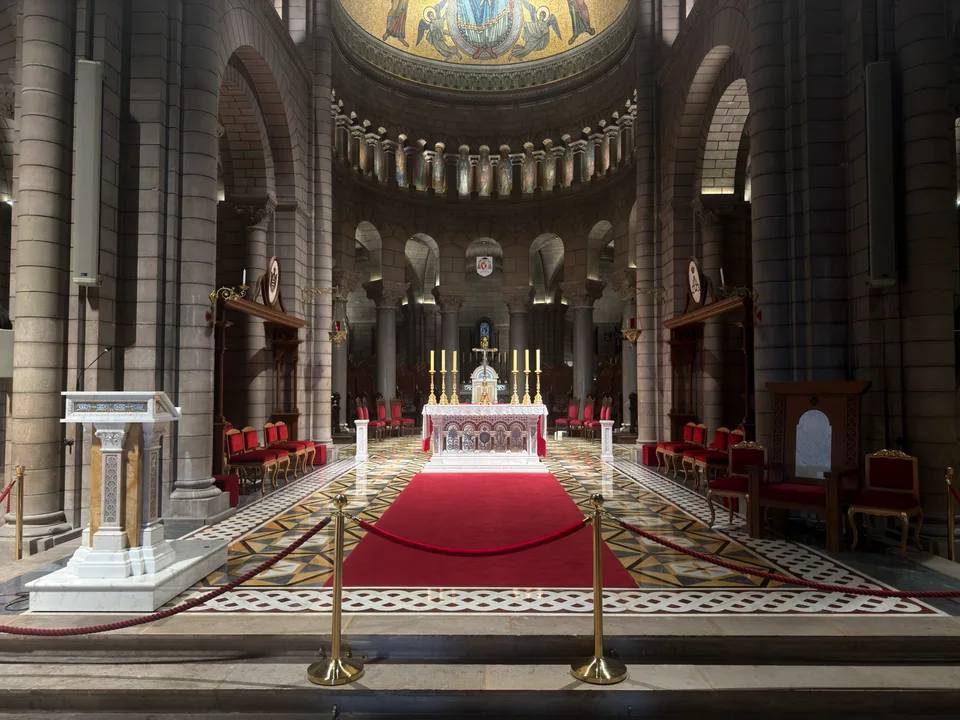
The road curled. The old town exhaled.
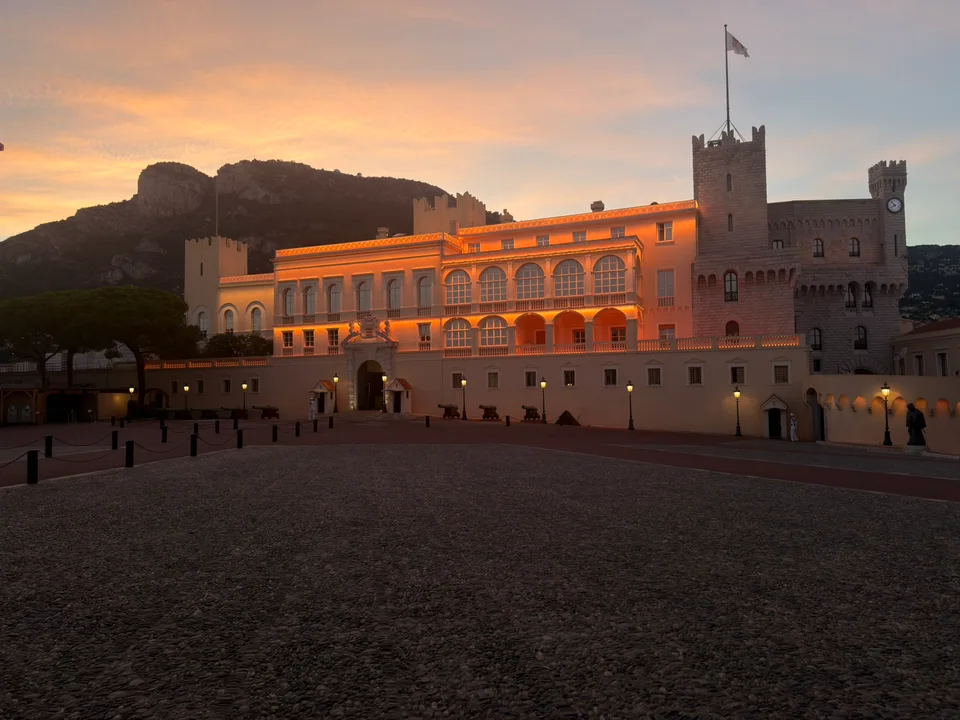
The palace had caught the good light.
A village that requires your feet
Èze changed the terms. We left the broad harbor views for stone passages, steps and doorways that could turn a short walk into a sequence of small discoveries. Walls held the shade. Plants escaped over edges. The village seemed to have assembled itself around the conviction that a straight street would spoil the effect.
Perched above the coast between Nice and Monaco, Èze gives distance a vertical component. We walked the lanes rather than trying to hurry through them. A few steps would reveal an arch, a tucked-away terrace, another stair. Our camera began collecting textures instead of panoramas: rough stone, old wood, leaves against a wall.
“A small boat is a relative concept.”
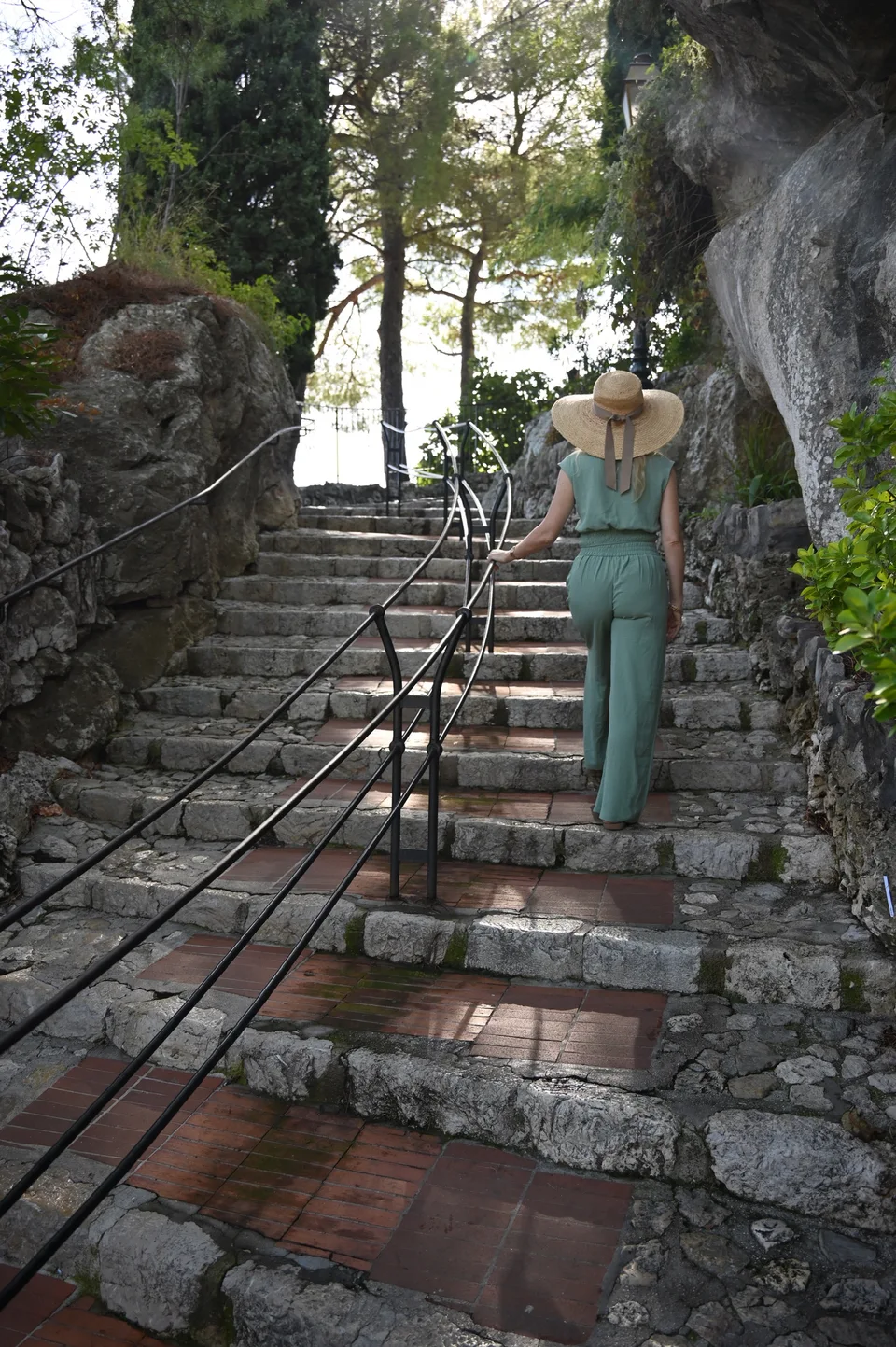
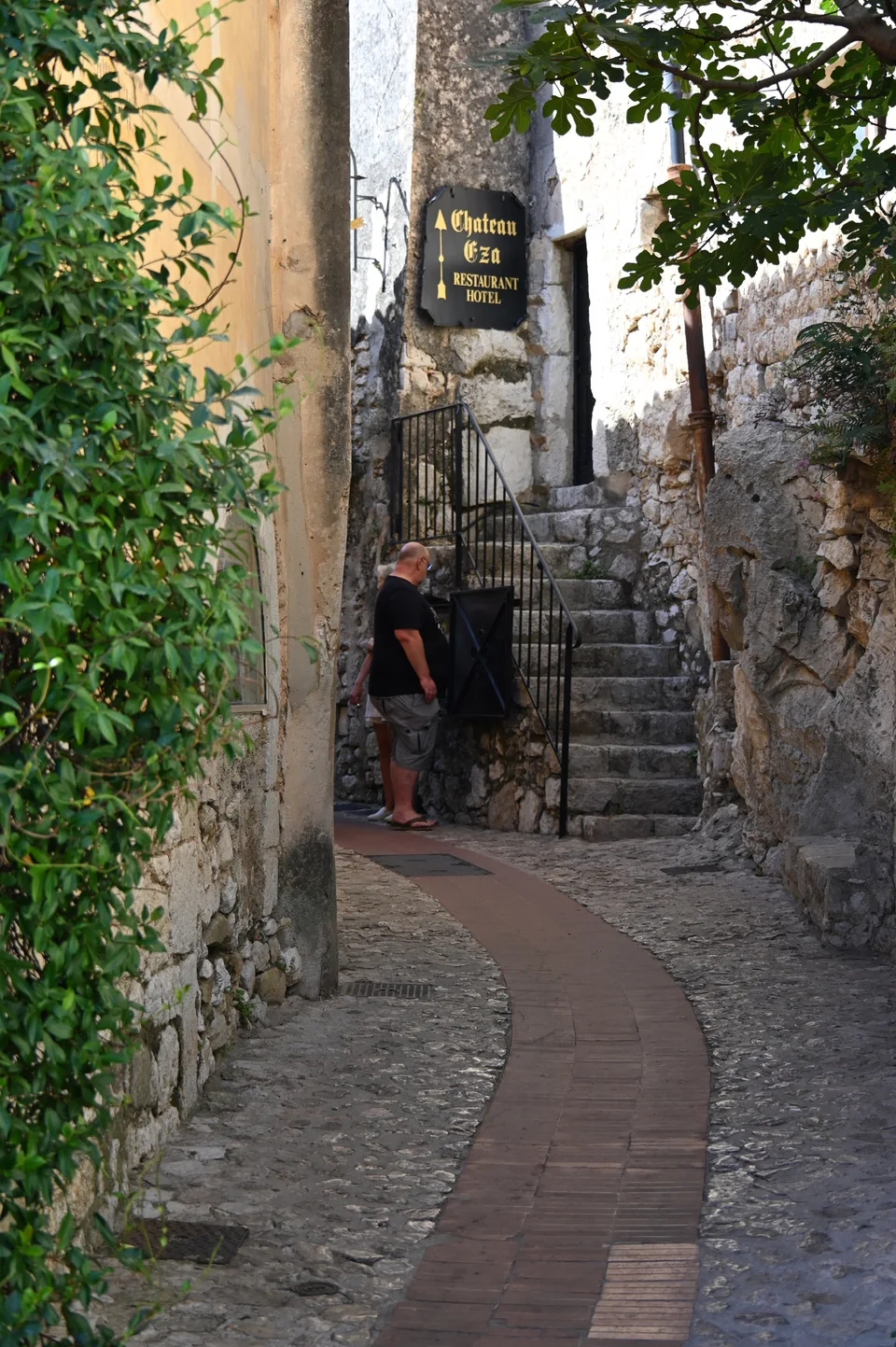
A good place to abandon straight lines.
The entrance to La Chèvre d’Or sat behind its frame of ivy, introducing another form of Riviera luxury. Here the surrounding village did much of the decorating. We looked into cool, vaulted spaces and along passages where the light arrived in narrow pieces.
There were galleries and little places to stop, but the village itself kept stealing the attention back. We liked the way a doorway could be both an entrance and a composition. It encouraged a less ambitious kind of sightseeing: see what is in front of you, take the next turn, resist the urge to declare the village completed. Stone is patient. We were learning.
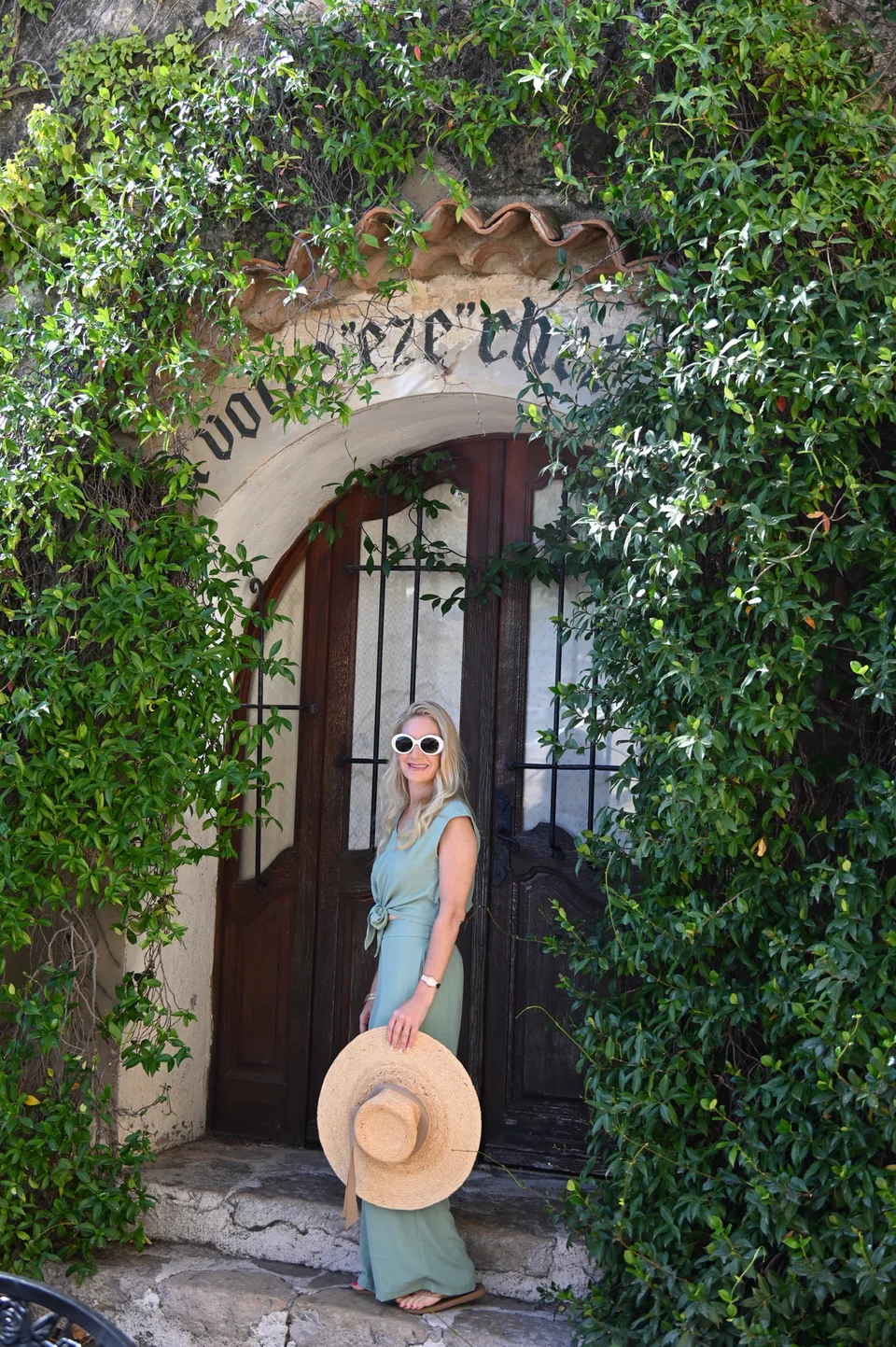
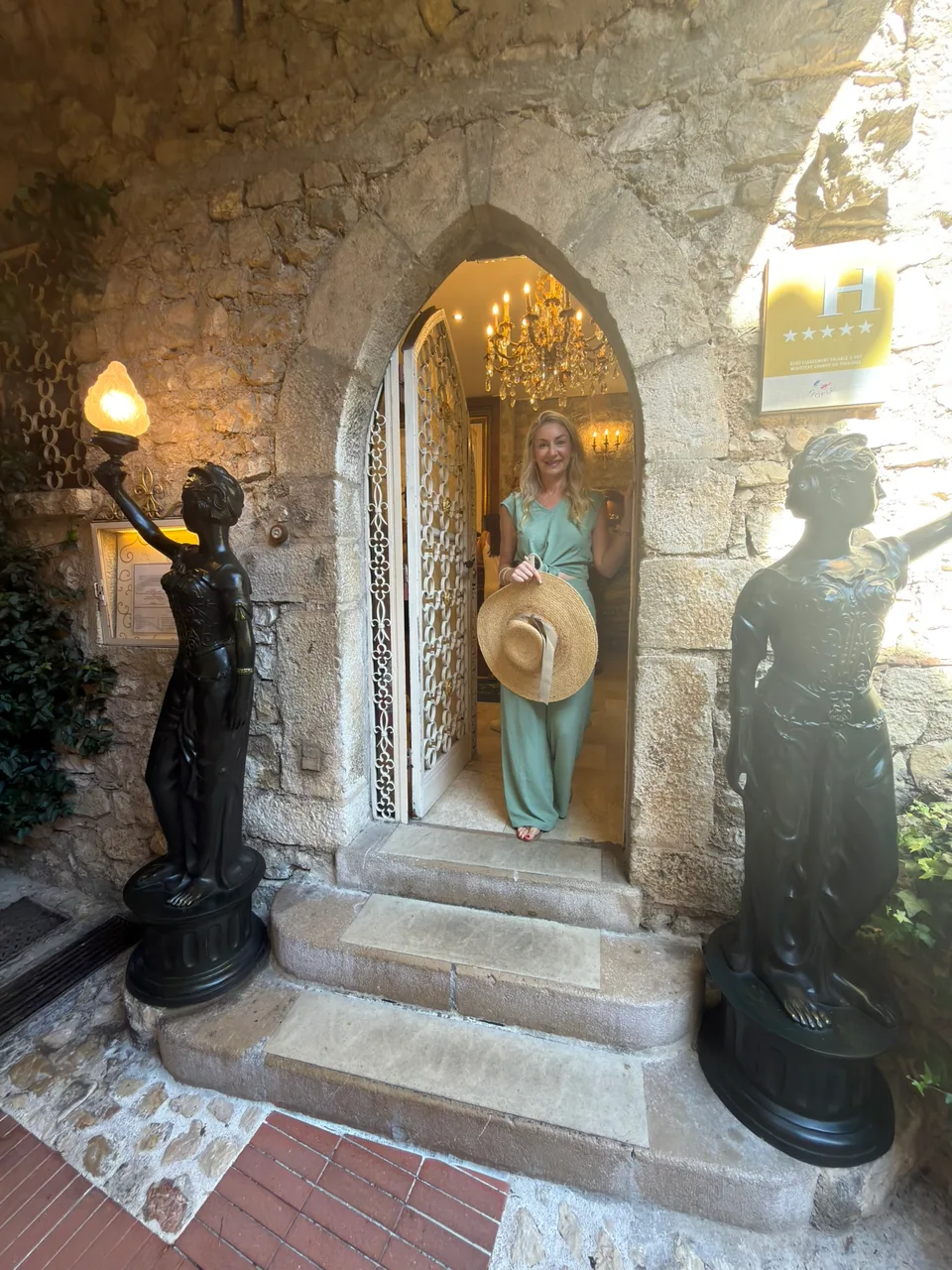
The walls were doing most of the decorating.
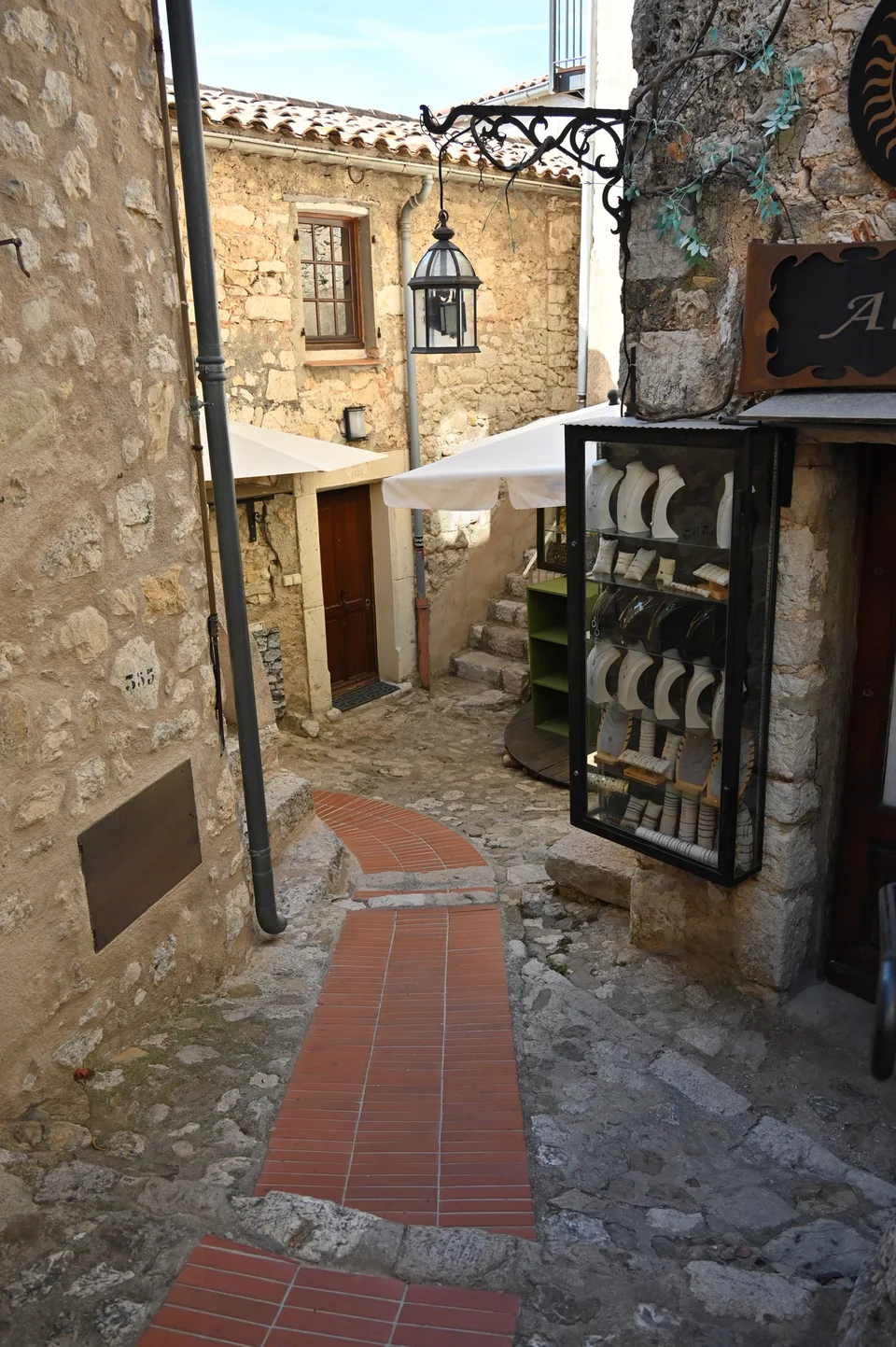
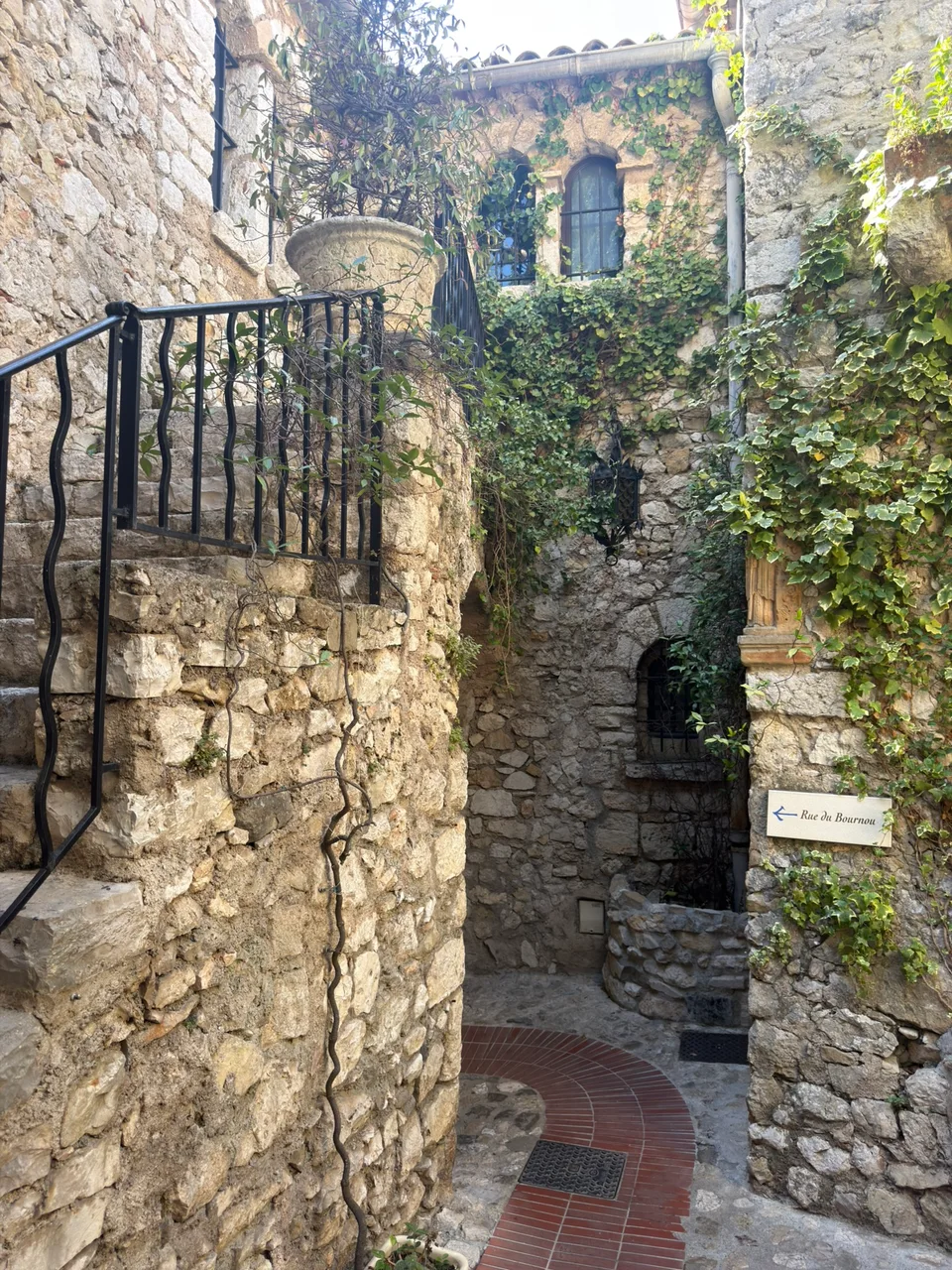
No need to improve on the passageway.
Villefranche-sur-Mer returned us to the water with a softer arrangement of color. Peach, cream and yellow buildings gathered along the bay. The town climbed behind them, while the sea made the foreground look almost excessively generous.
We sat at a table overlooking the water, with sunglasses beside the menu and no pressing need to finish looking at either. There is a particular relief in a stop like that after a morning of steps. The view becomes something you can inhabit for a while. You can order, sit back and let the boats supply whatever movement the afternoon requires.
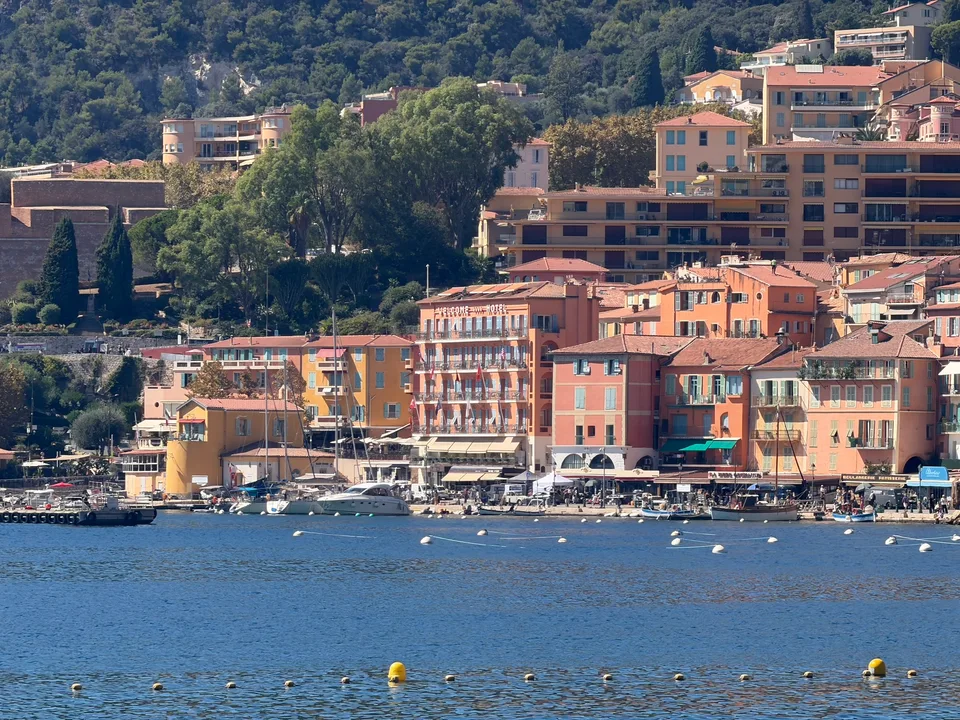
Villefranche had chosen its colors well.
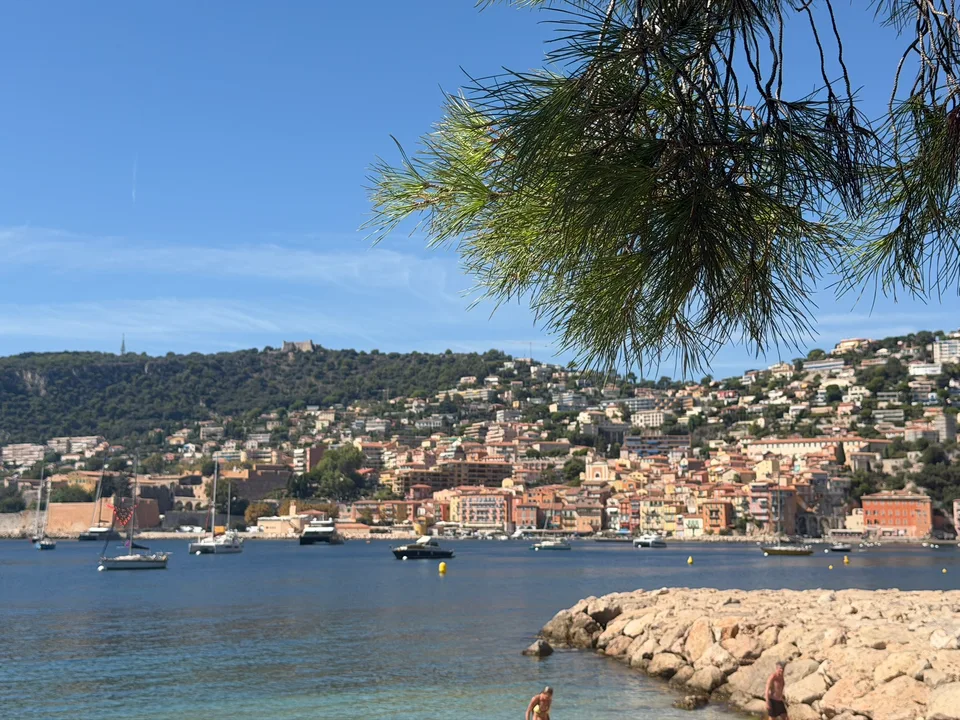
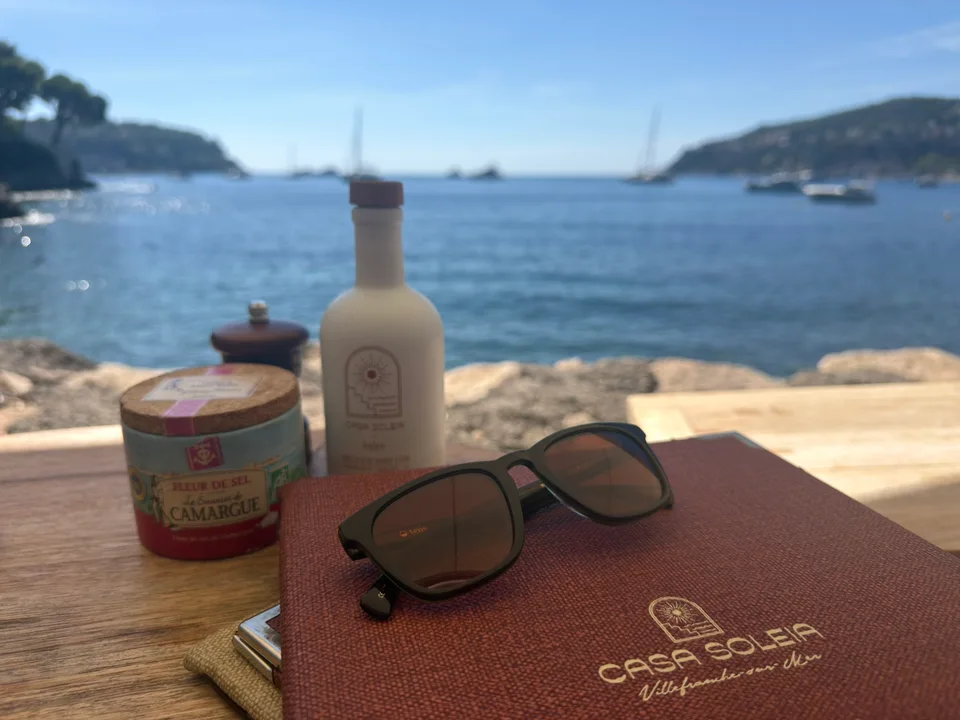
The afternoon required a table.
The coastal towns rewarded the short departures from their waterfronts. Restaurant tables stood in narrow lanes, pale walls reflected the sun, and the shade offered a practical reason to take the slower route. We were happy to find that beauty and comfort occasionally agreed on directions.
Our photographs kept switching between these intimate streets and very large boats offshore. The contrast was part of the pleasure. The Riviera could hold somebody’s enormous floating estate and a lane barely wide enough for a row of chairs, without either scene seeming especially surprised by the other. We had room in the camera for both.
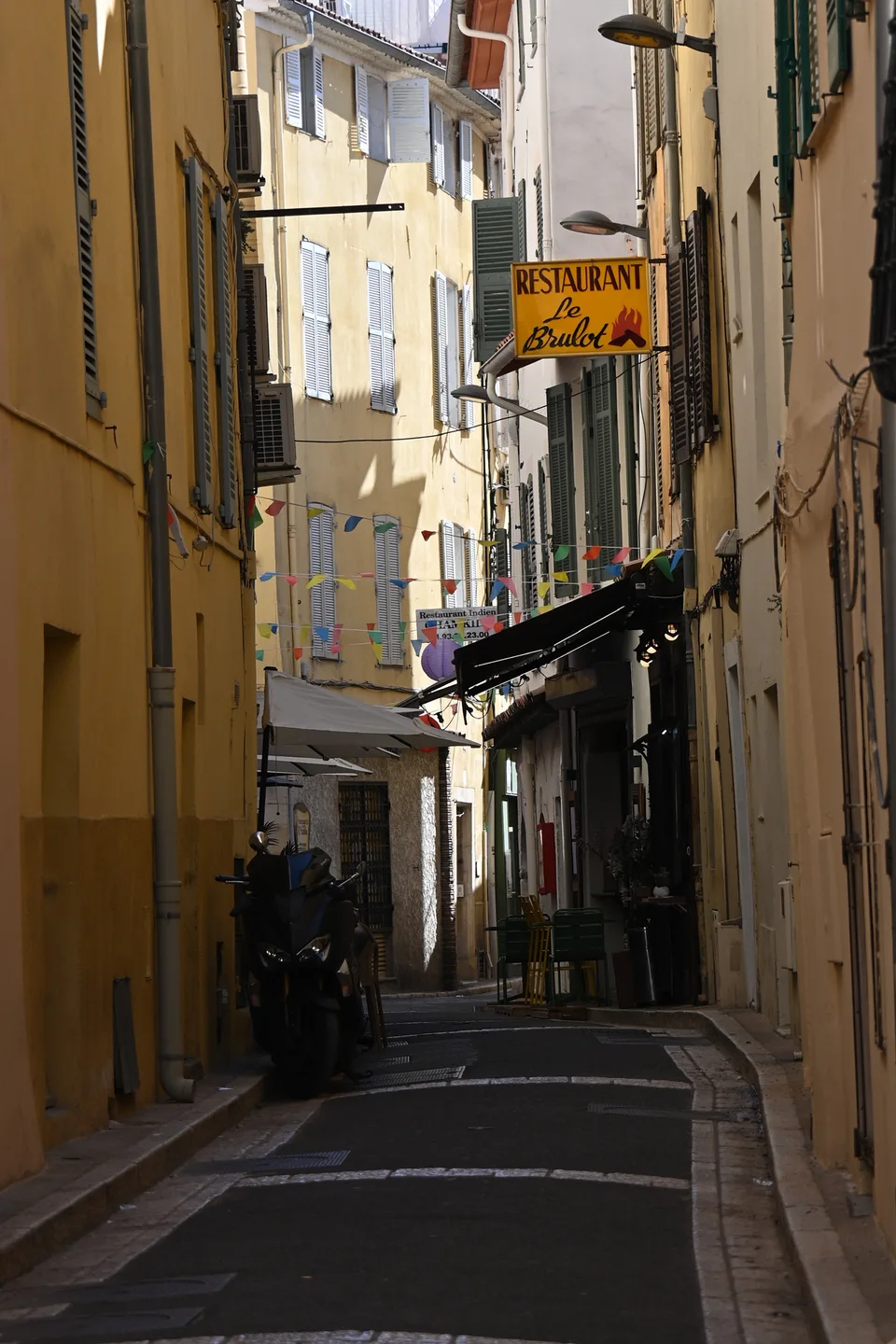
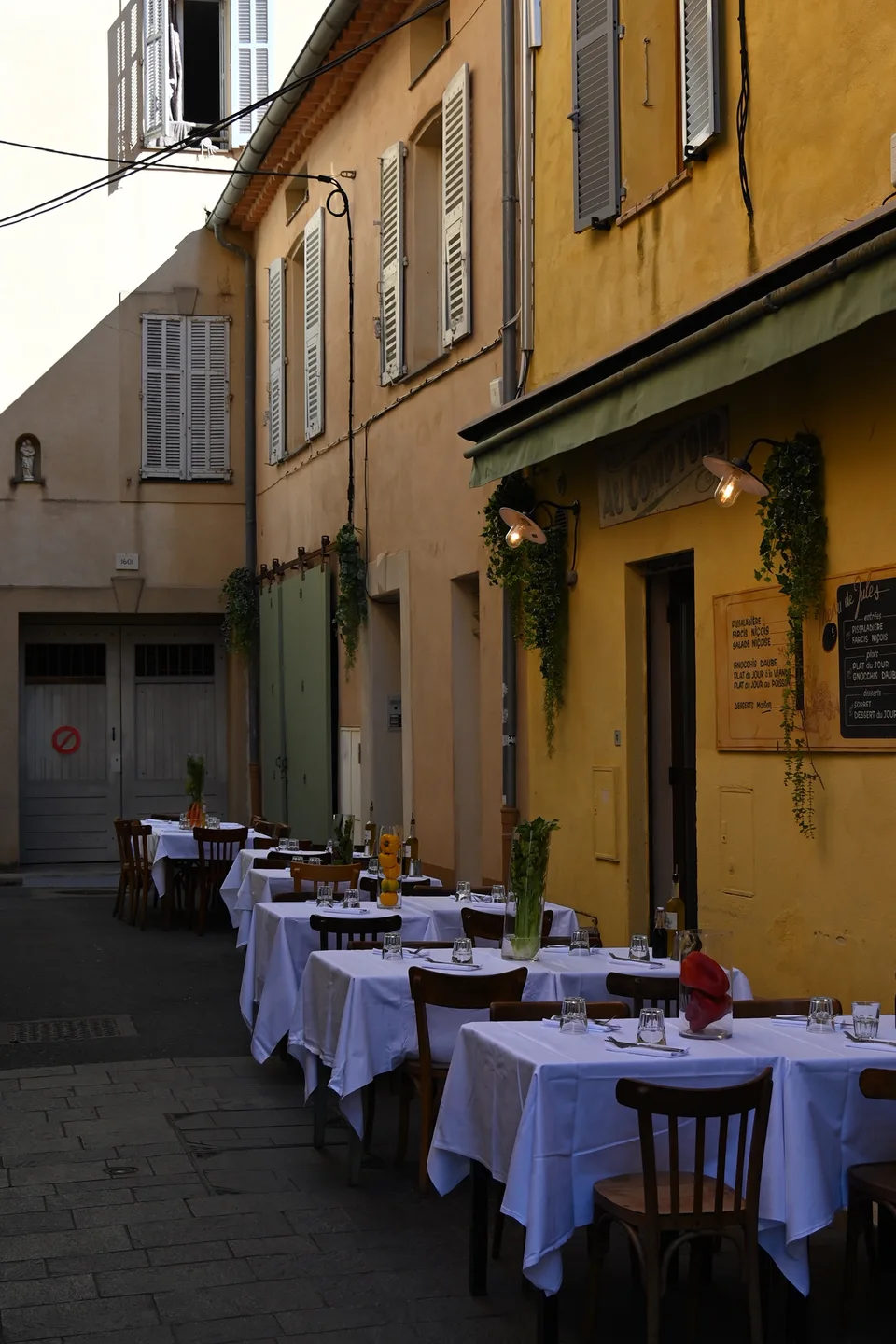
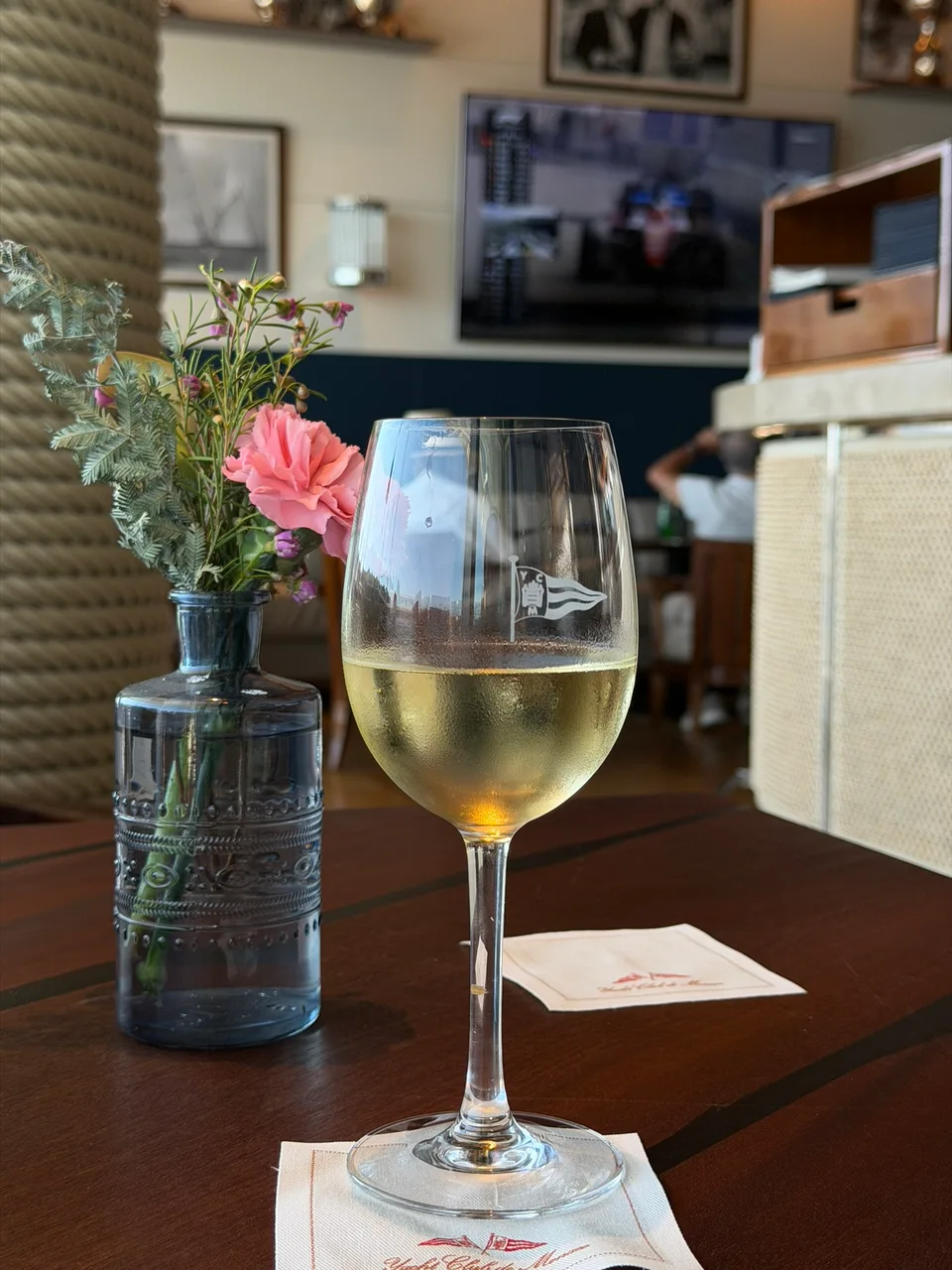
The smaller addresses were persuasive too.
Saint-Tropez, beyond the label
Saint-Tropez came with a reputation so well established that the town itself might reasonably have complained about being typecast. The harbor did nothing to discourage it: boats crowded the water, terraces faced the show, and a walk along the quay offered plenty to examine.
But from the sea, the old town gathered into something simpler. The bell tower rose over warm façades, with the rounded stone defenses meeting the water. La Ponche, the old fishing quarter, belongs to the town’s maritime history long before its modern celebrity. Seeing that shoreline from a boat helped restore the place beneath the name. There was a town here, with roots deeper than a reservation list.
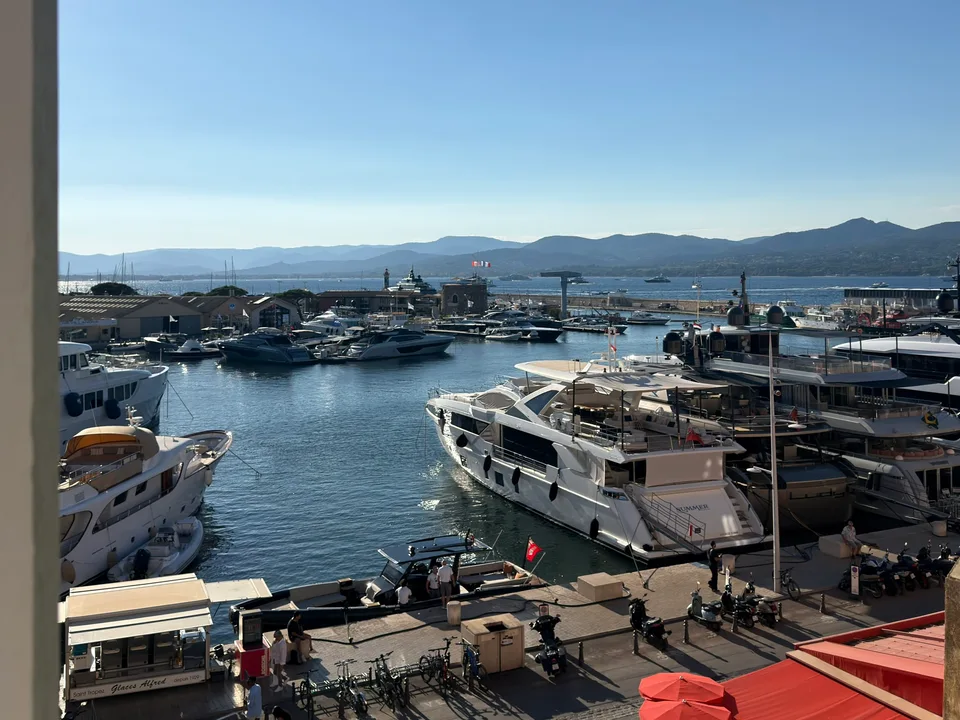
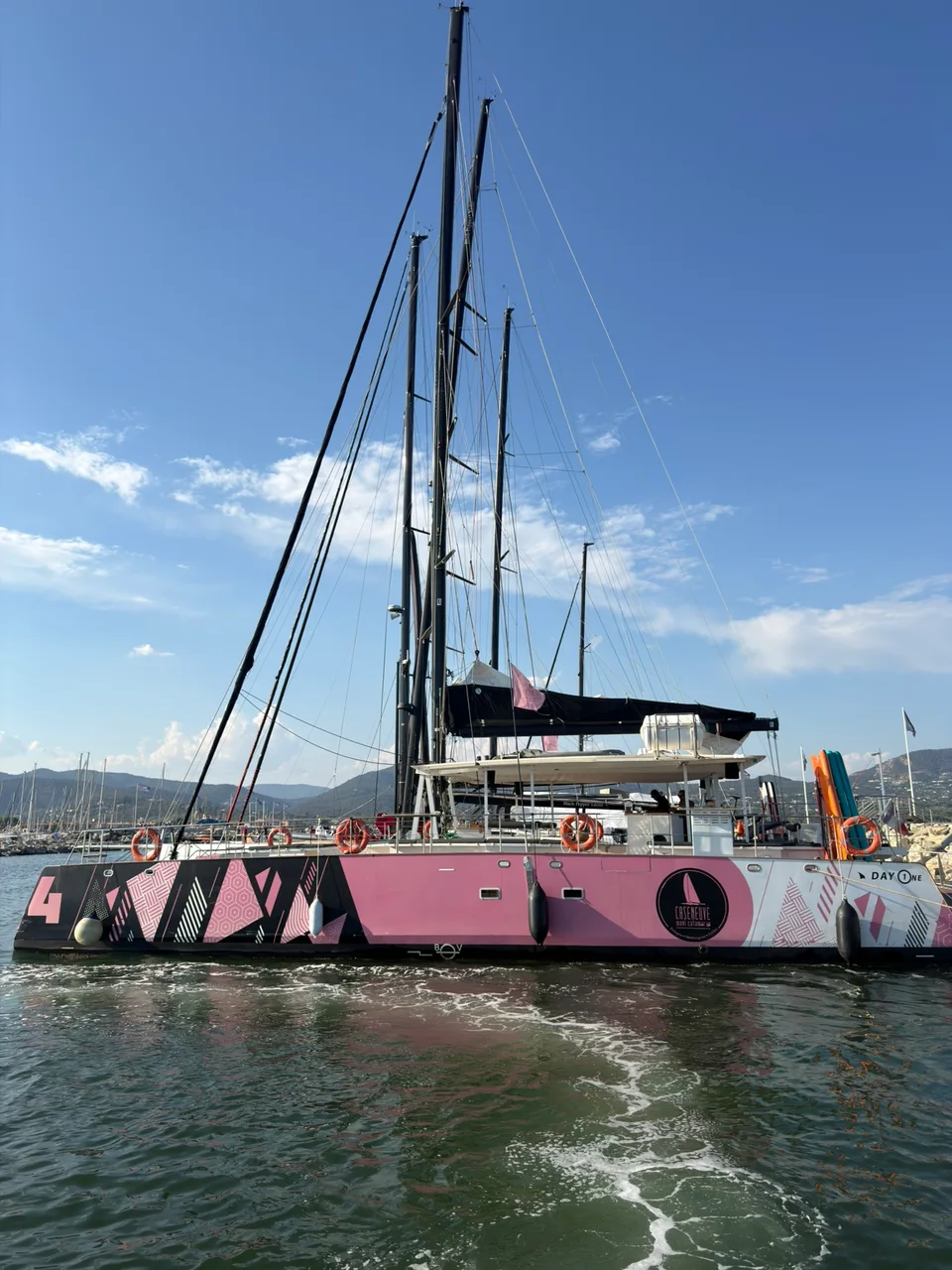
The harbor was fully booked.
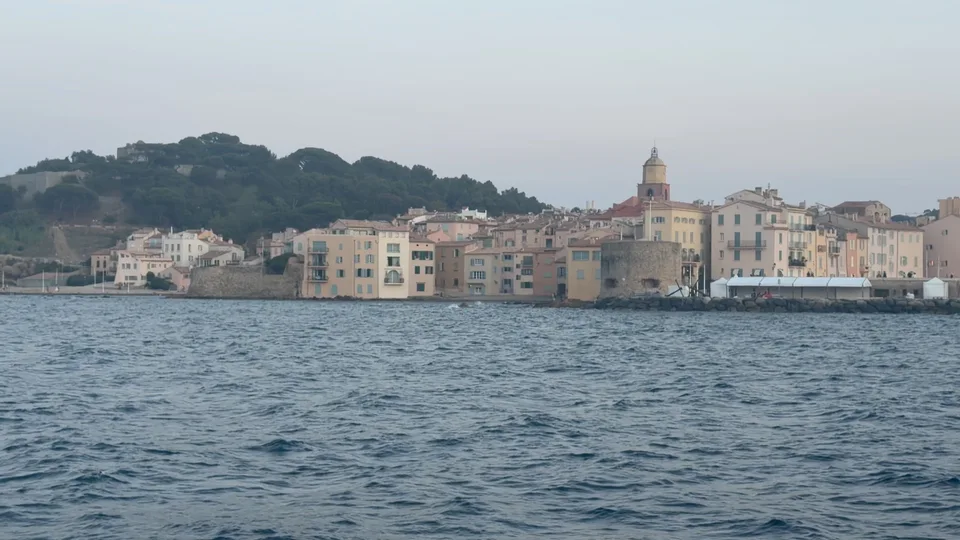
The town behind the reputation.
We spent time by the beach, where the water required no explanation. Sand, sun and an unhurried pause were sufficient. Lunch and dinner supplied their own reasons to stop moving; at a restaurant table, the two of us were as pleased with the evening as we had been with the view.
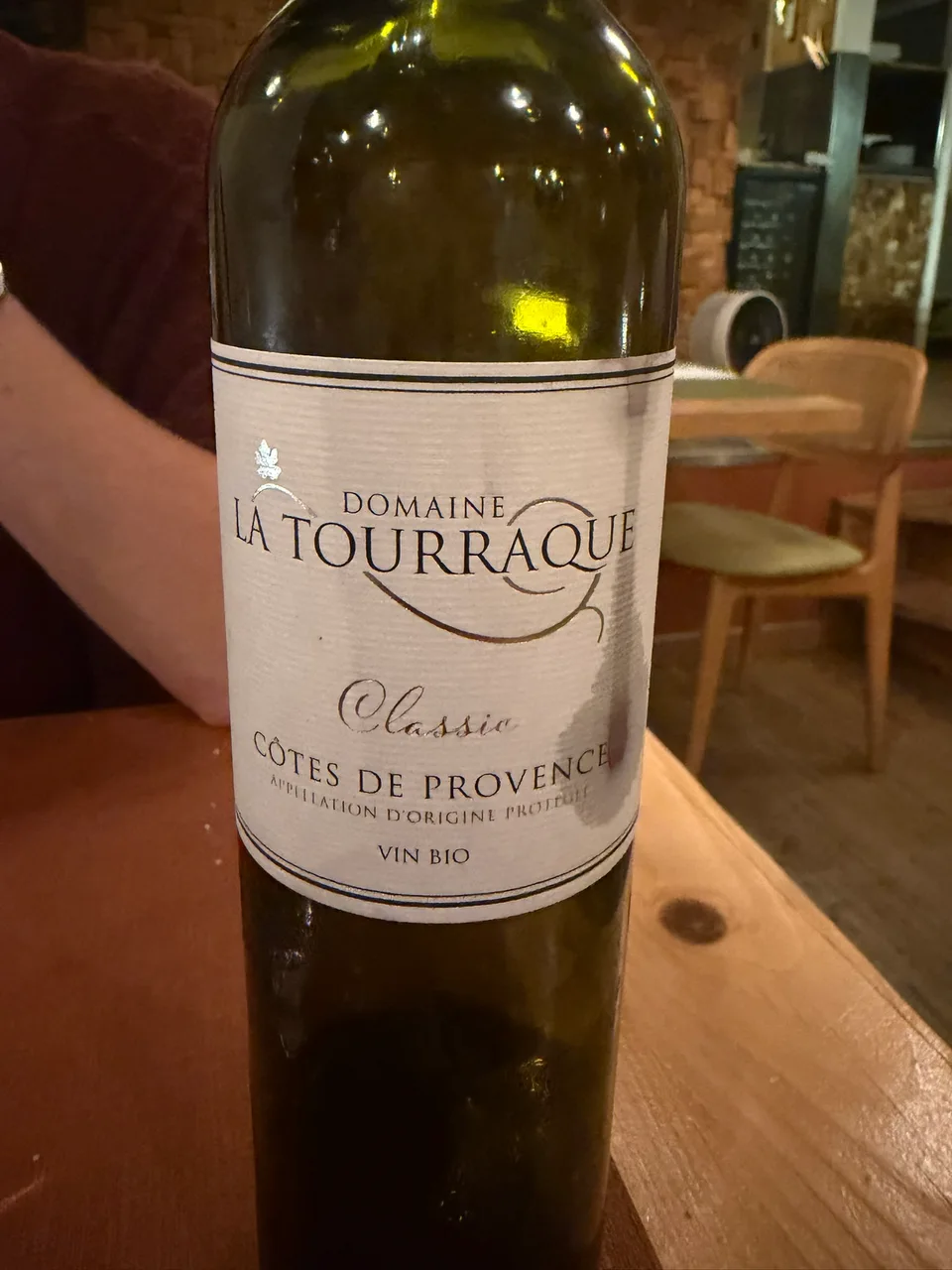
A bottle of white wine stood on another table. It is tempting to turn every French meal into a major declaration about the good life. Sometimes it is simply a very agreeable evening, with a glass, a plate and the person you wanted to share them with. That is already doing rather well.
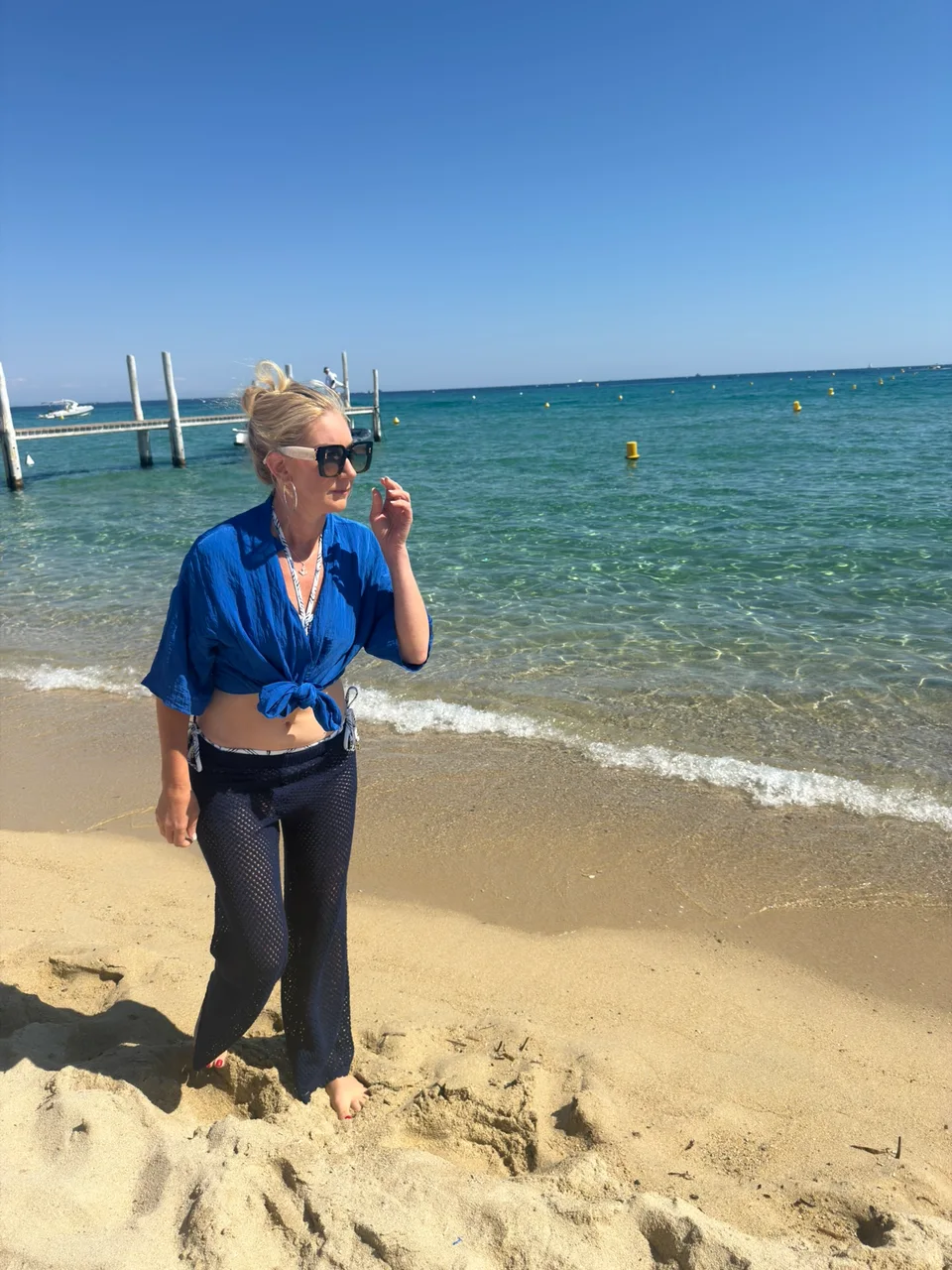
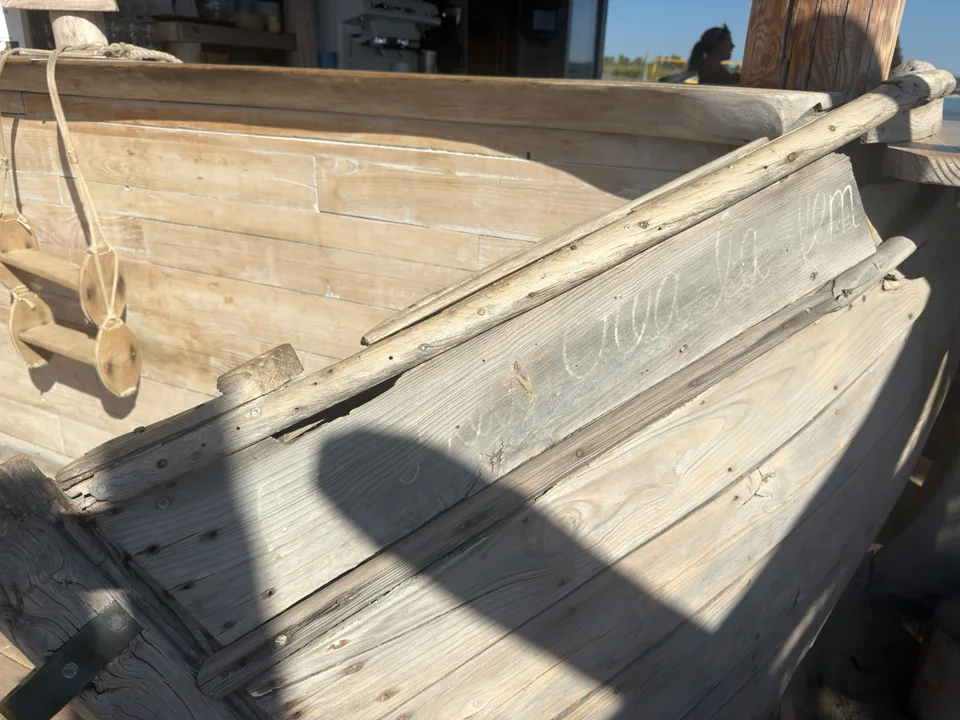
An afternoon with sensible priorities.
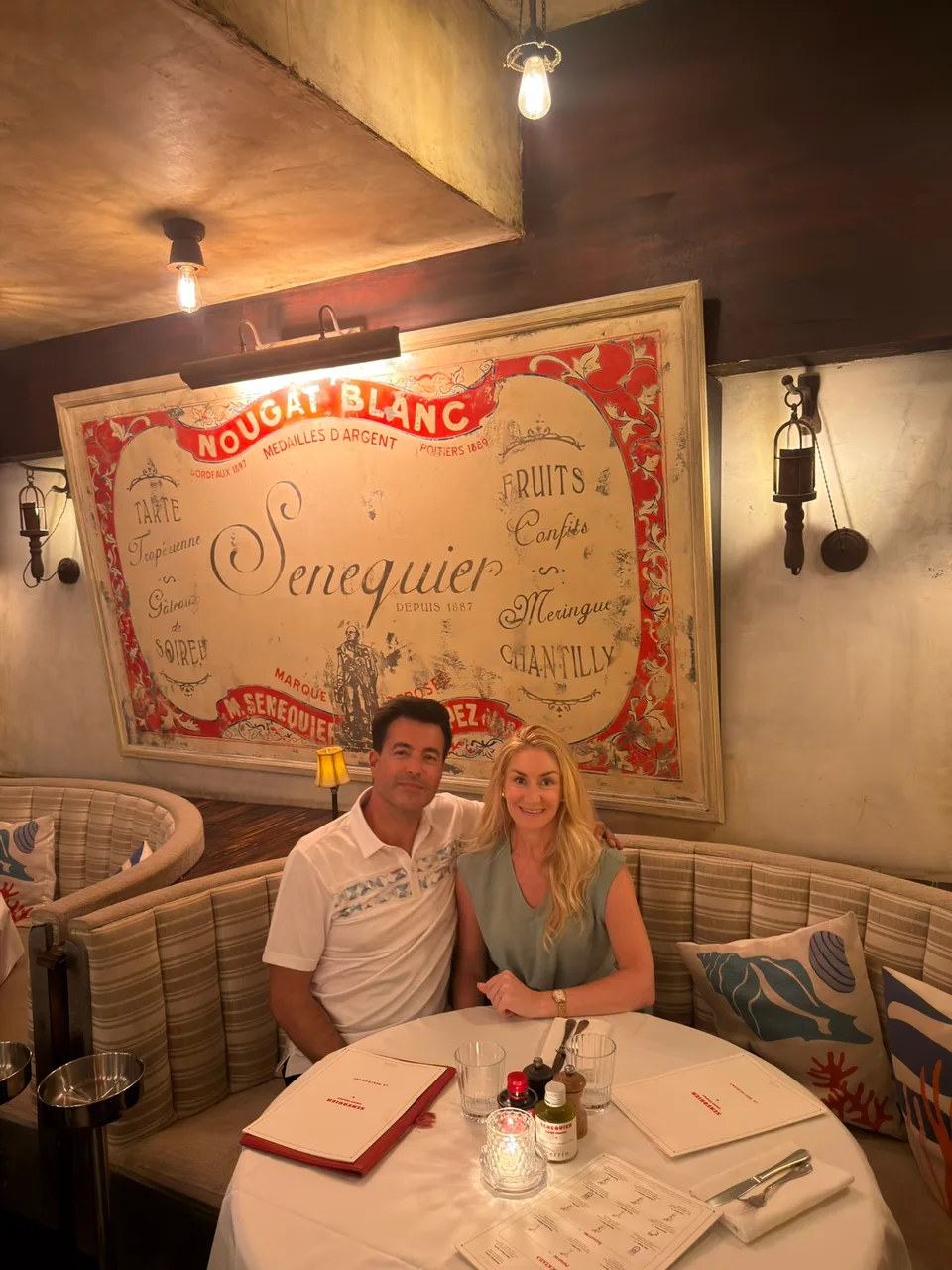
Dinner made a strong case for staying put.
The vines near Saint-Tropez gave the wine a landscape of its own. At Château Minuty, the entrance sign and pale buildings placed a familiar name in a real location. The estate’s modern family history began in 1936, and its vineyards around Gassin and Ramatuelle connect it firmly to this peninsula.
We liked the change from labels to leaves. Grapes hung in small bunches; behind the coast’s polished image was the much slower business of growing something. It offered another scale for the trip, measured in seasons rather than decks, rooms or the number of places left before sunset.
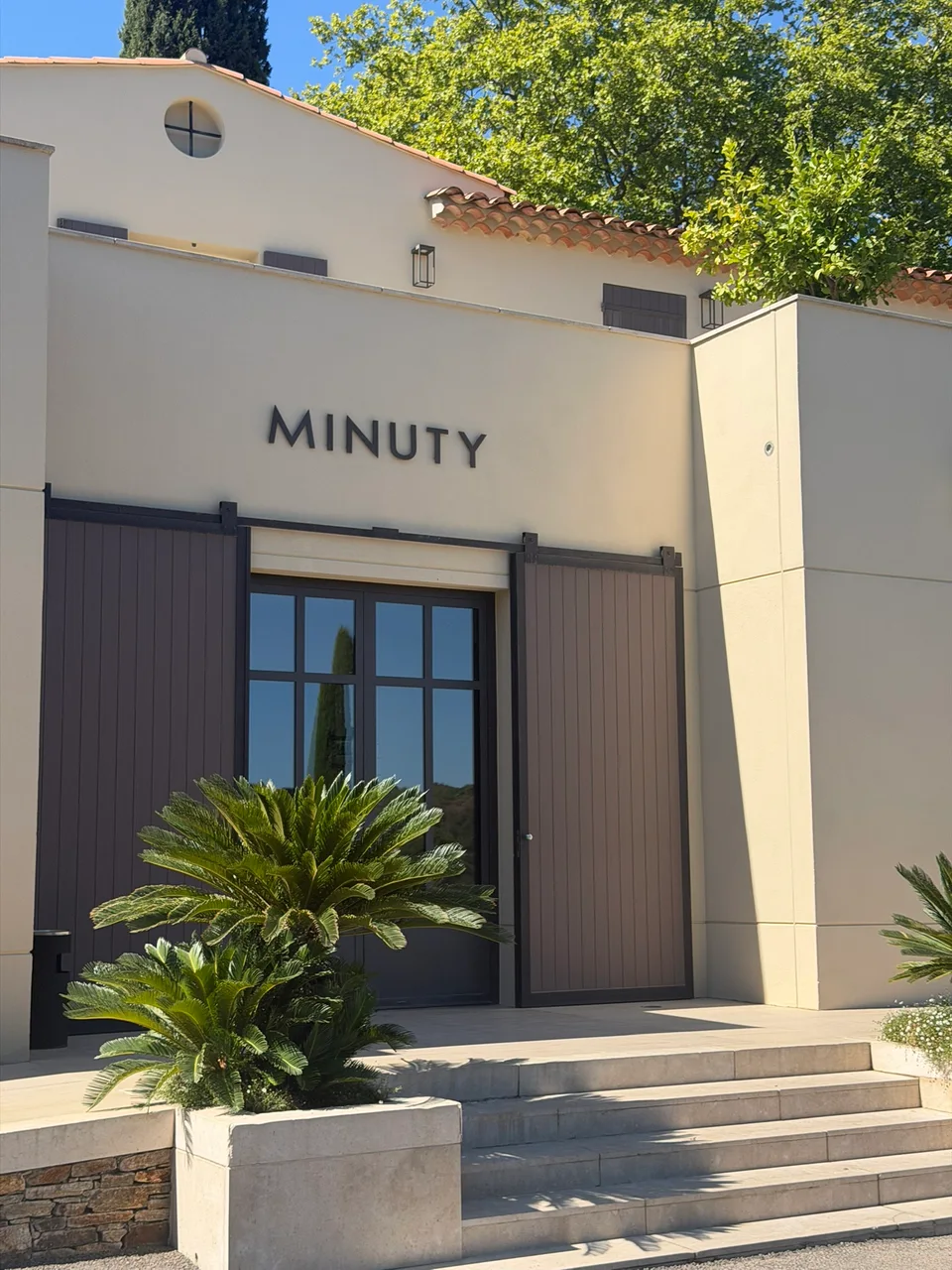
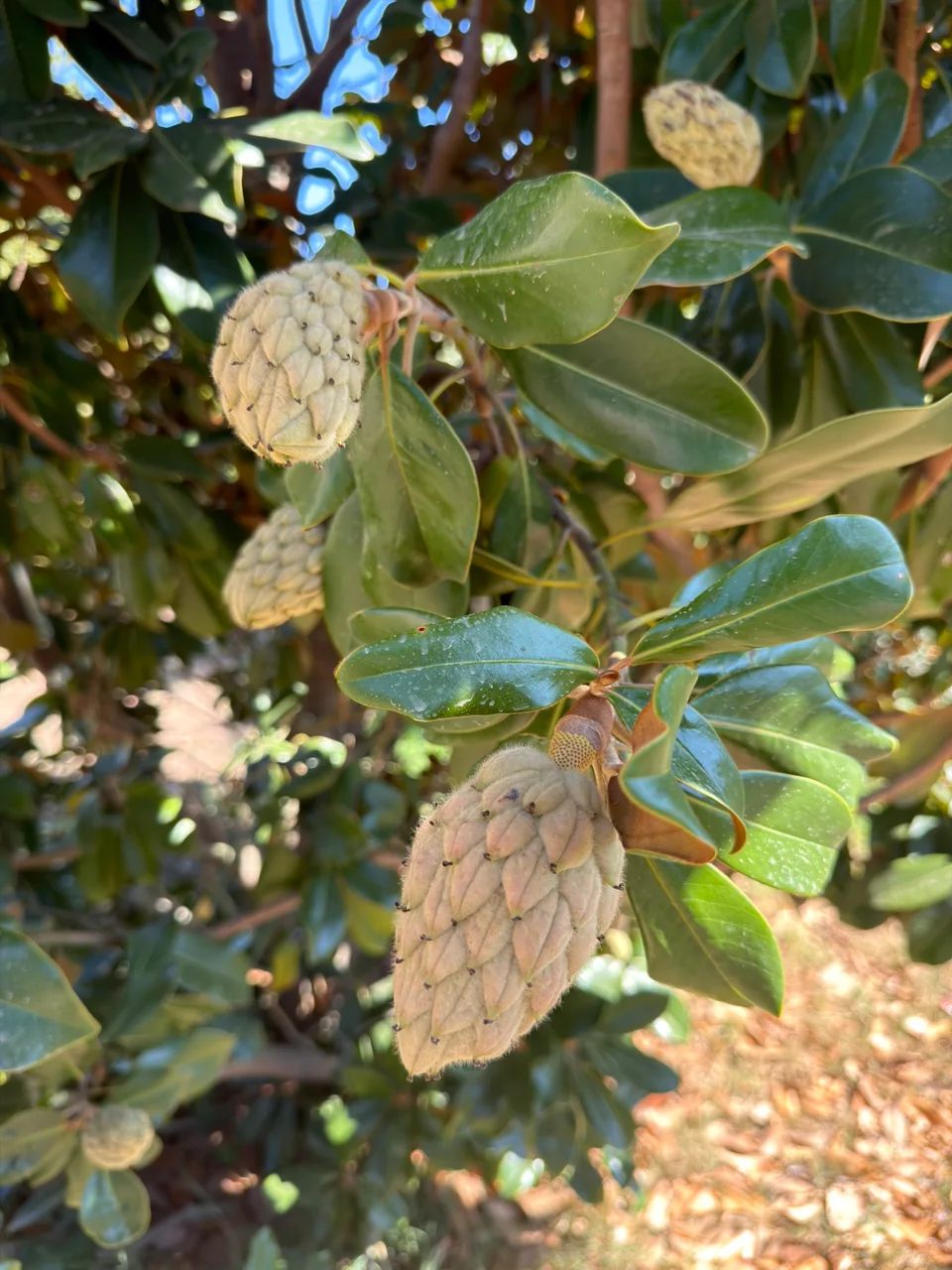
The wine had an address.
Out on the gulf, the evening loosened the colors. A French flag moved above the water. The shoreline became a low shape, the boats dark lines against the remaining light.
We had spent these days moving through very different versions of the same coast. Monaco staged the spectacle. Èze pulled us into the stone. Villefranche found us a table. Saint-Tropez sent us back out onto the water. The flag kept lifting and falling behind the boat. For once, there was nothing else we needed to go and look at.
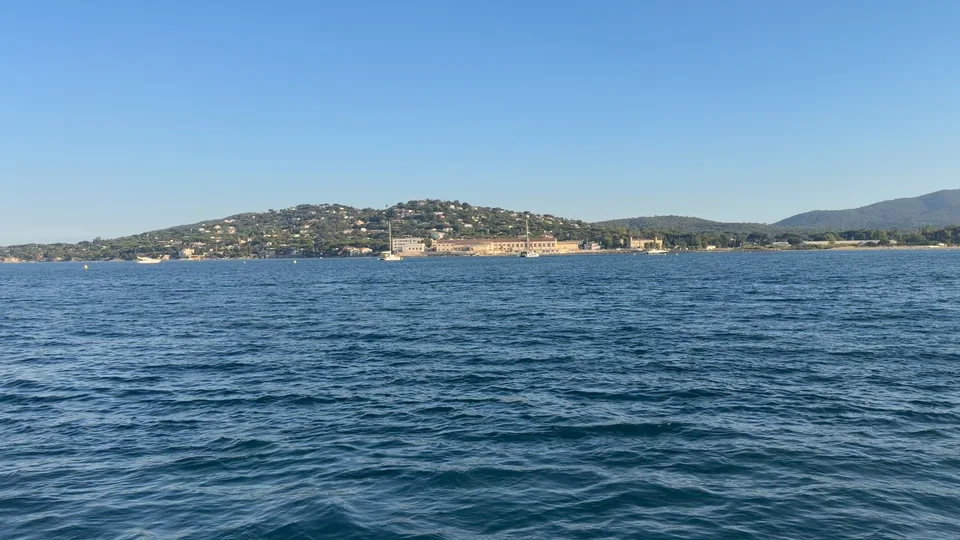
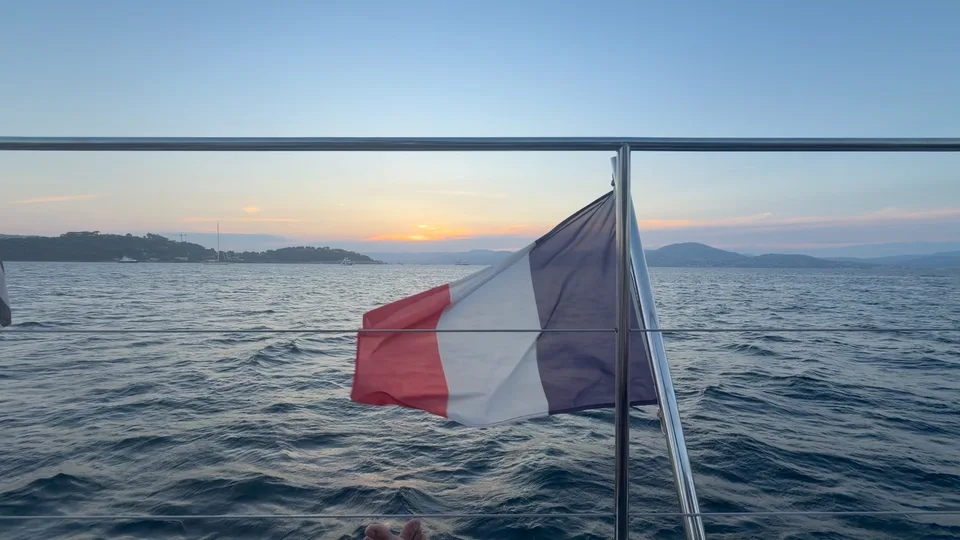
The coast began lowering the lights.
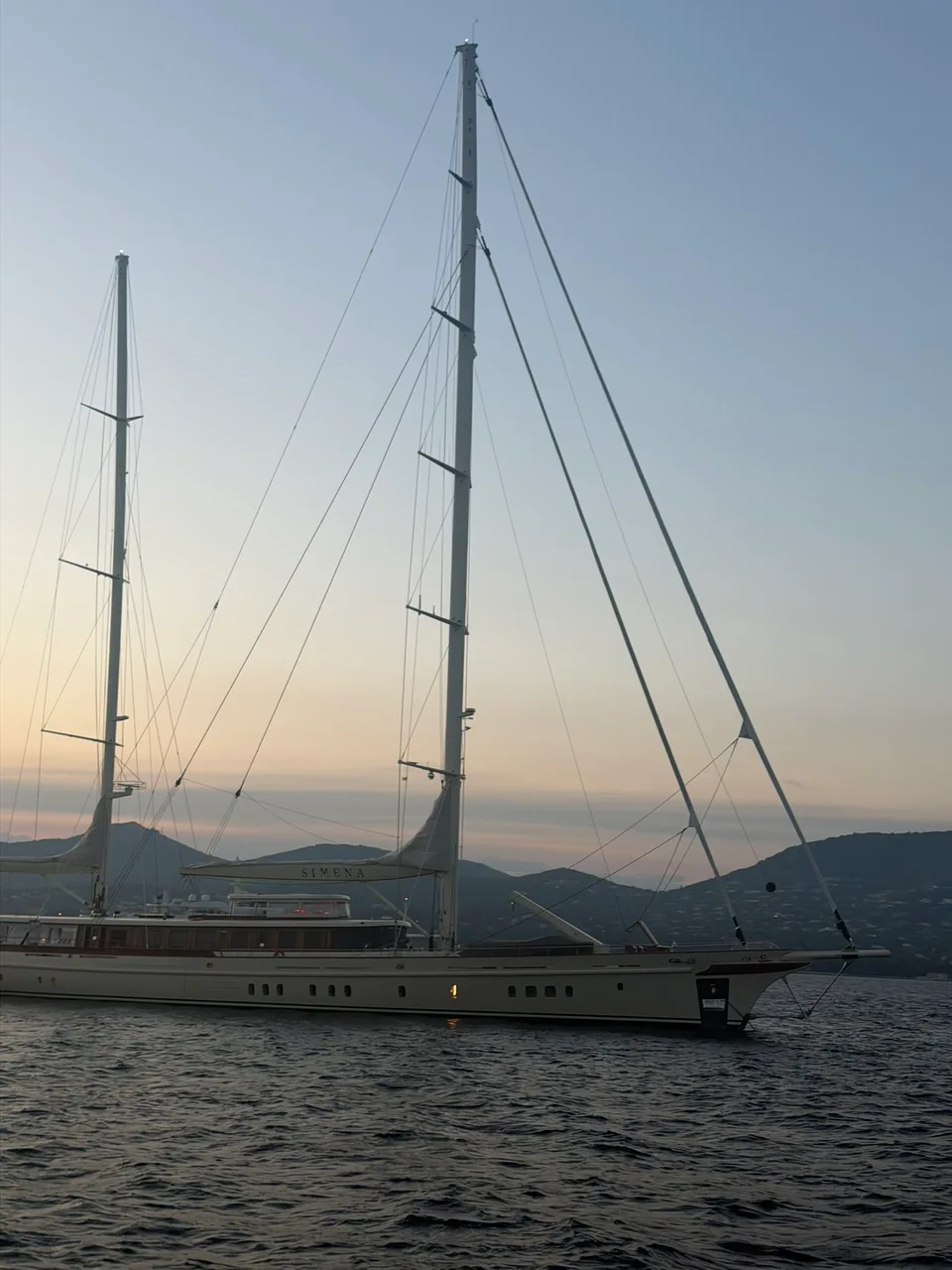
We let the evening finish the job.
Visited 2026 · Written 2026