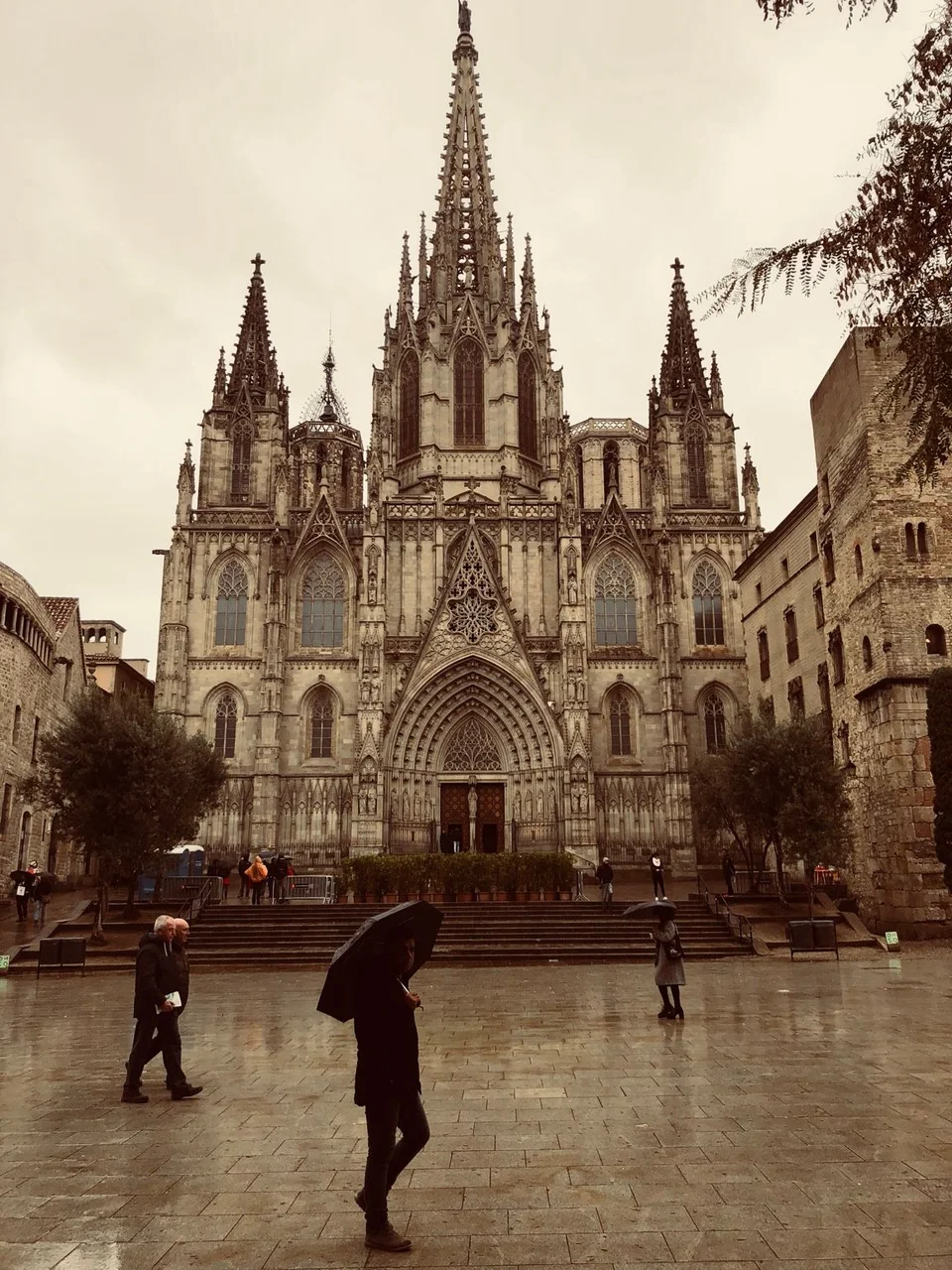
Barcelona had given us rain, spectacular buildings and Lionel Messi. Apparently that wasn’t enough. We rented a car, drove into snow, and turned up at a closed winery with the confidence of people who hadn’t bothered to check the opening hours.
A woman came outside. We talked. Instead of sending us away, she opened the place for a tasting.
There are sensible ways to organize a holiday. This was becoming an excellent argument for the other kind.
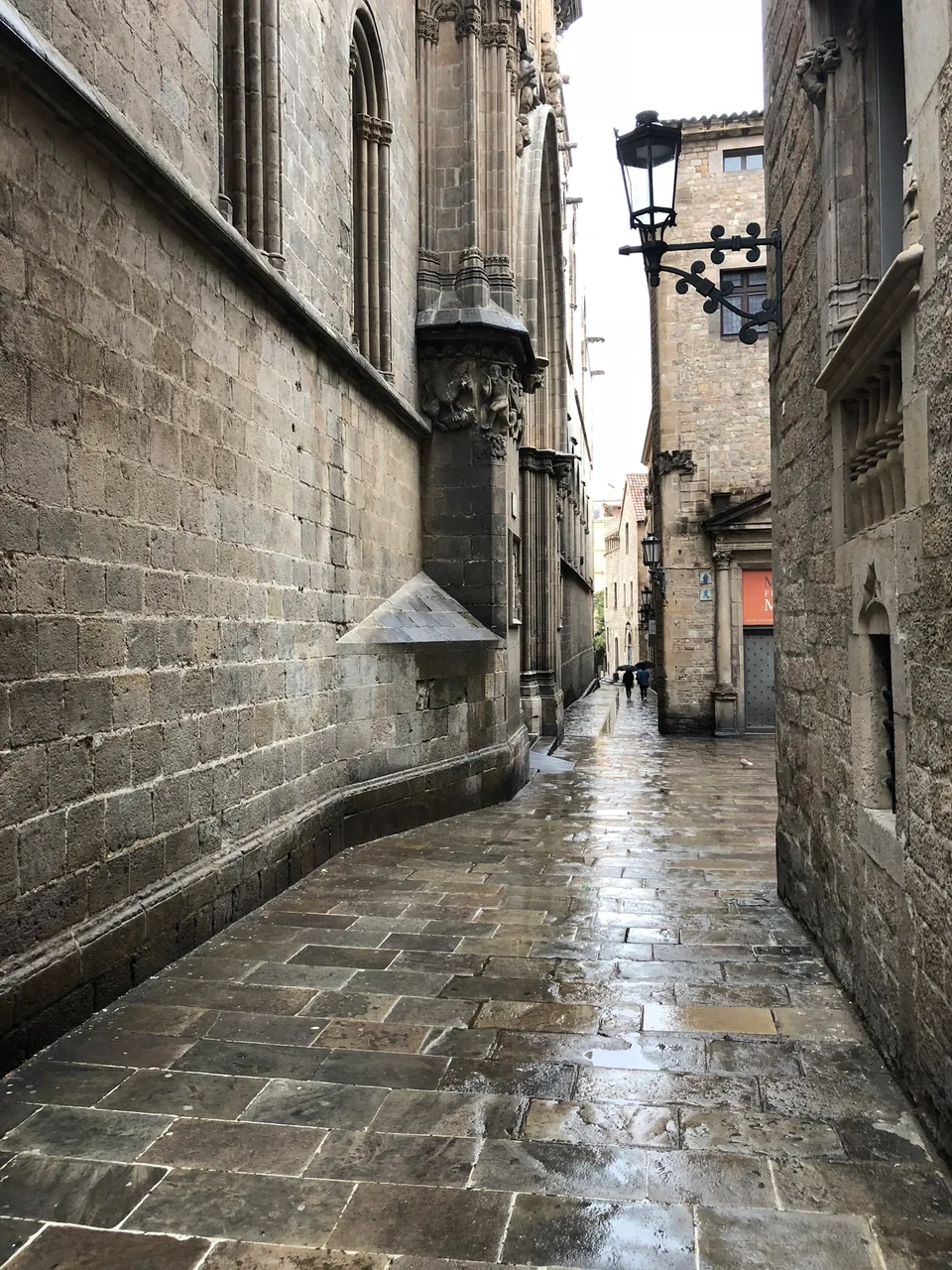
Rain suited the neighborhood.
A city with very few straight answers
The weather suited the old city. Rain darkened the stone and polished the narrow lanes until Barcelona looked as though it had been keeping a very good secret for several centuries. Umbrellas negotiated passages that hadn’t been designed with mutual consideration in mind. We wandered, looked up, wandered some more.
Inside Barcelona Cathedral, the city’s noise softened. Tall columns disappeared into shadow; warm light gathered around the altar. Outside, the buildings leaned into the lanes, their balconies crowded above us. A gray sky made the details easier to notice. Sunshine gets excellent publicity, but it can be a little indiscriminate.
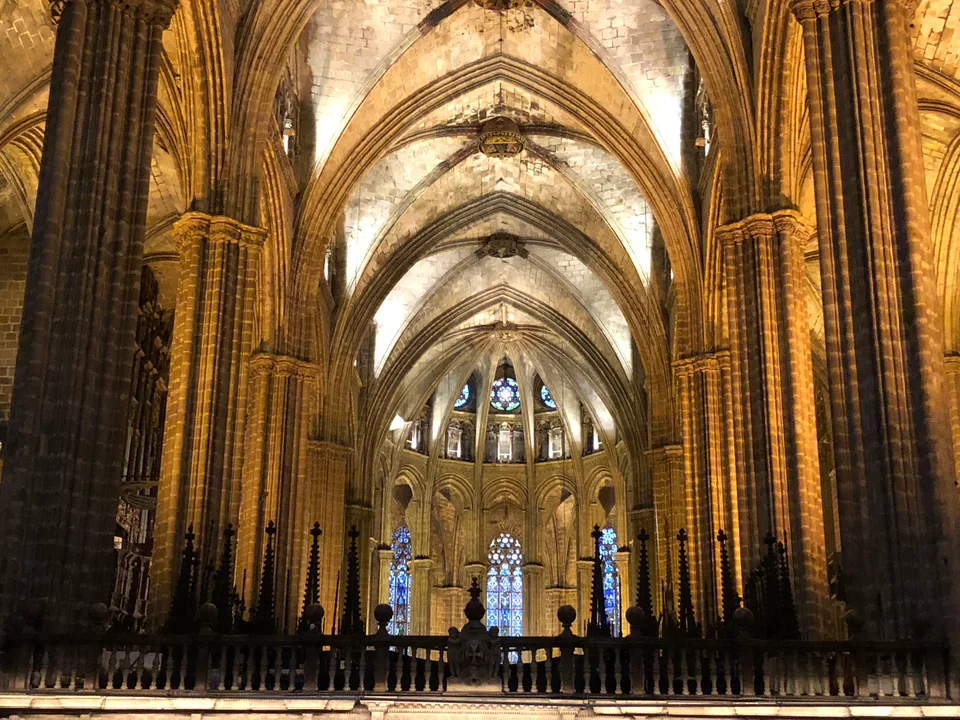
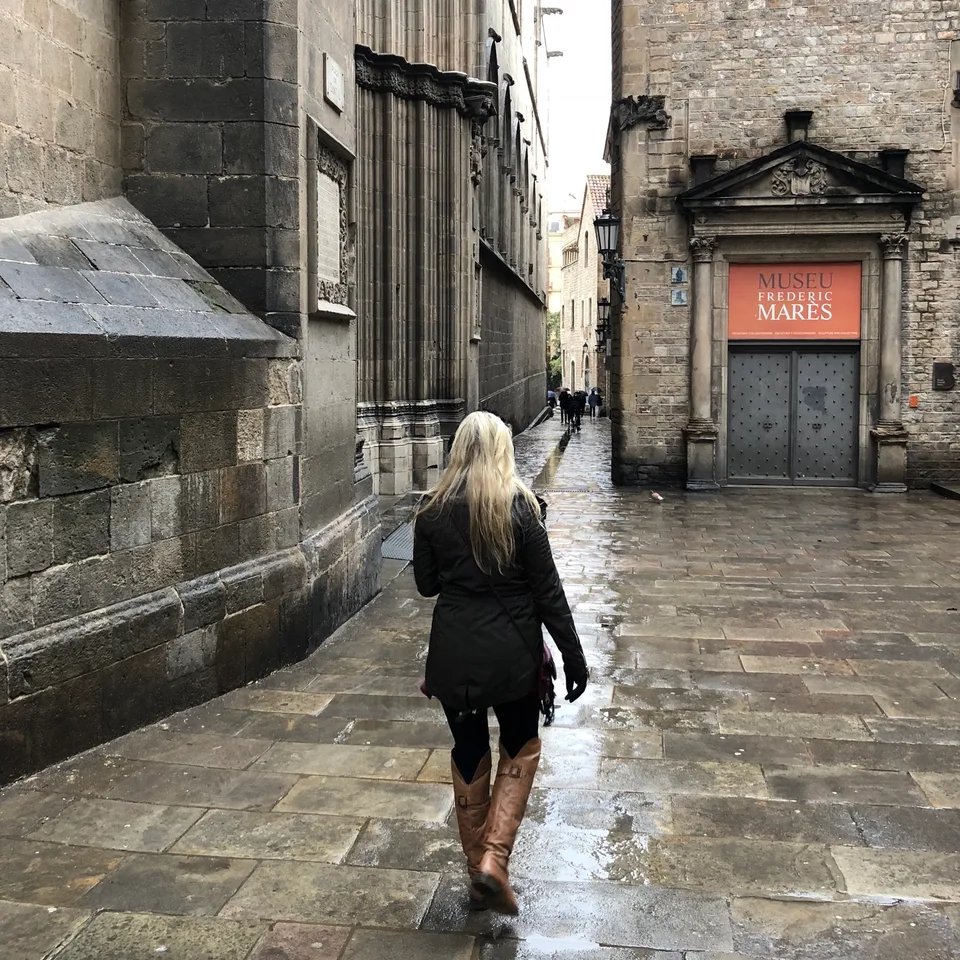
Inside, the city lowered its voice. Outside, we kept walking.
La Boqueria supplied the color the sky had withheld. Peppers shone in their boxes, cured meats hung overhead, and counters presented an abundance that made the idea of eating three meals a day seem needlessly restrictive. We stopped, looked, became hungry again. This happened with suspicious regularity.
Wine, cheese, something salty, somewhere to sit: we were developing a perfectly serviceable understanding of the city. Its grand attractions could make an afternoon feel important. A small table could make it feel like ours.
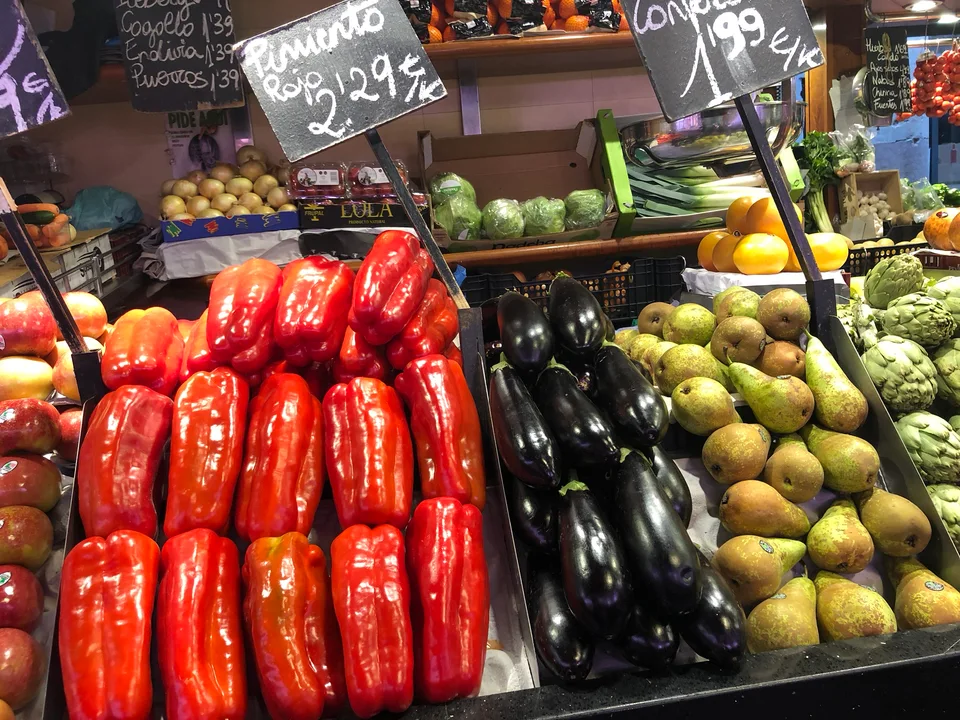
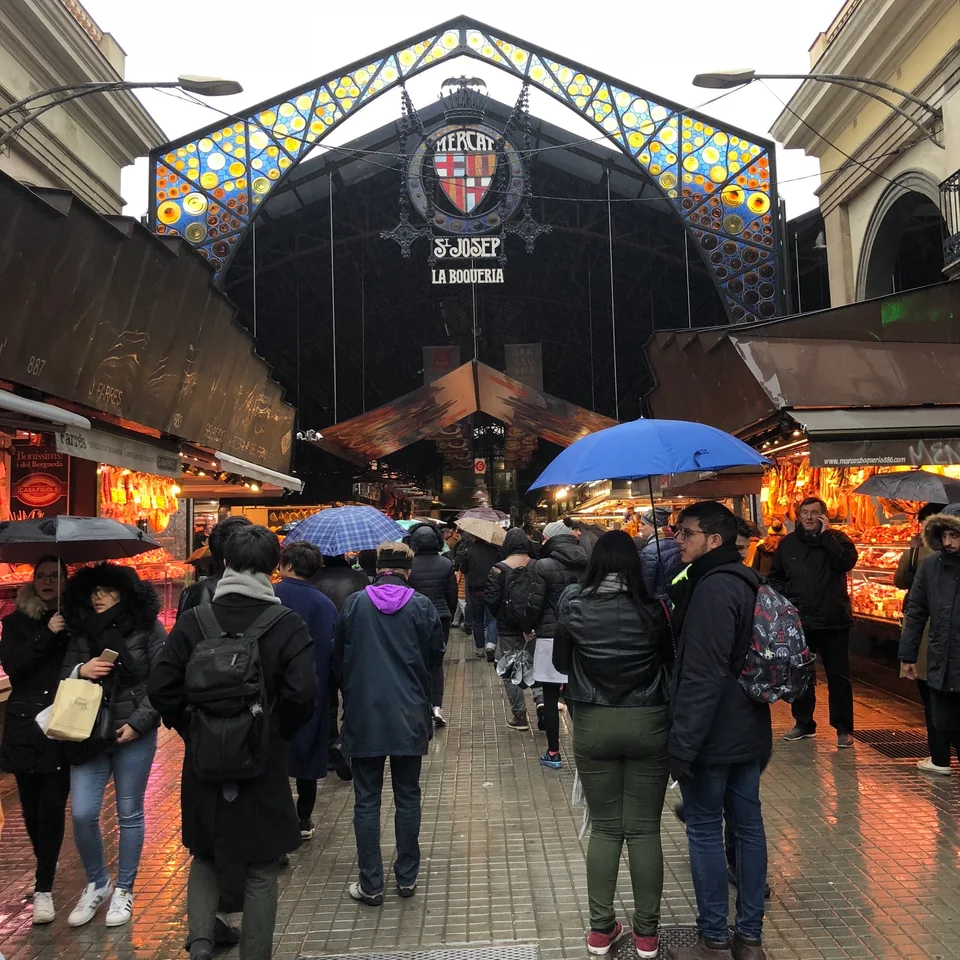
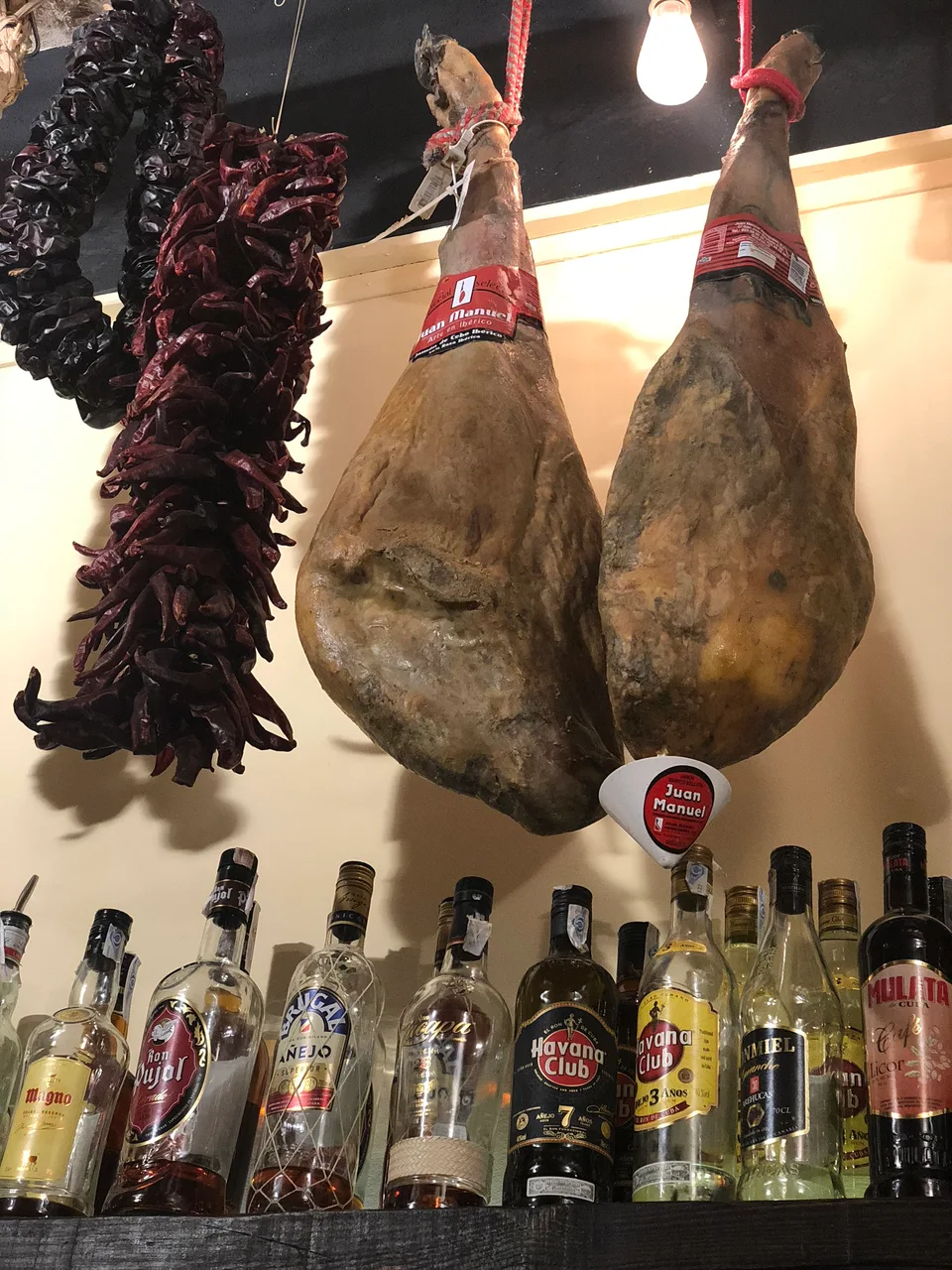
The market supplied everything the sky had withheld.
Gaudí, meanwhile, appeared to have considered the ordinary apartment building and found it insufficiently alive. Casa Batlló’s balconies looked out through bone-like openings beneath a roof popularly read as a dragon’s back. Naturally, Two Dragos approved. Down Passeig de Gràcia, La Pedrera rippled along the street, its stone façade refusing the reassuring discipline of a flat wall.
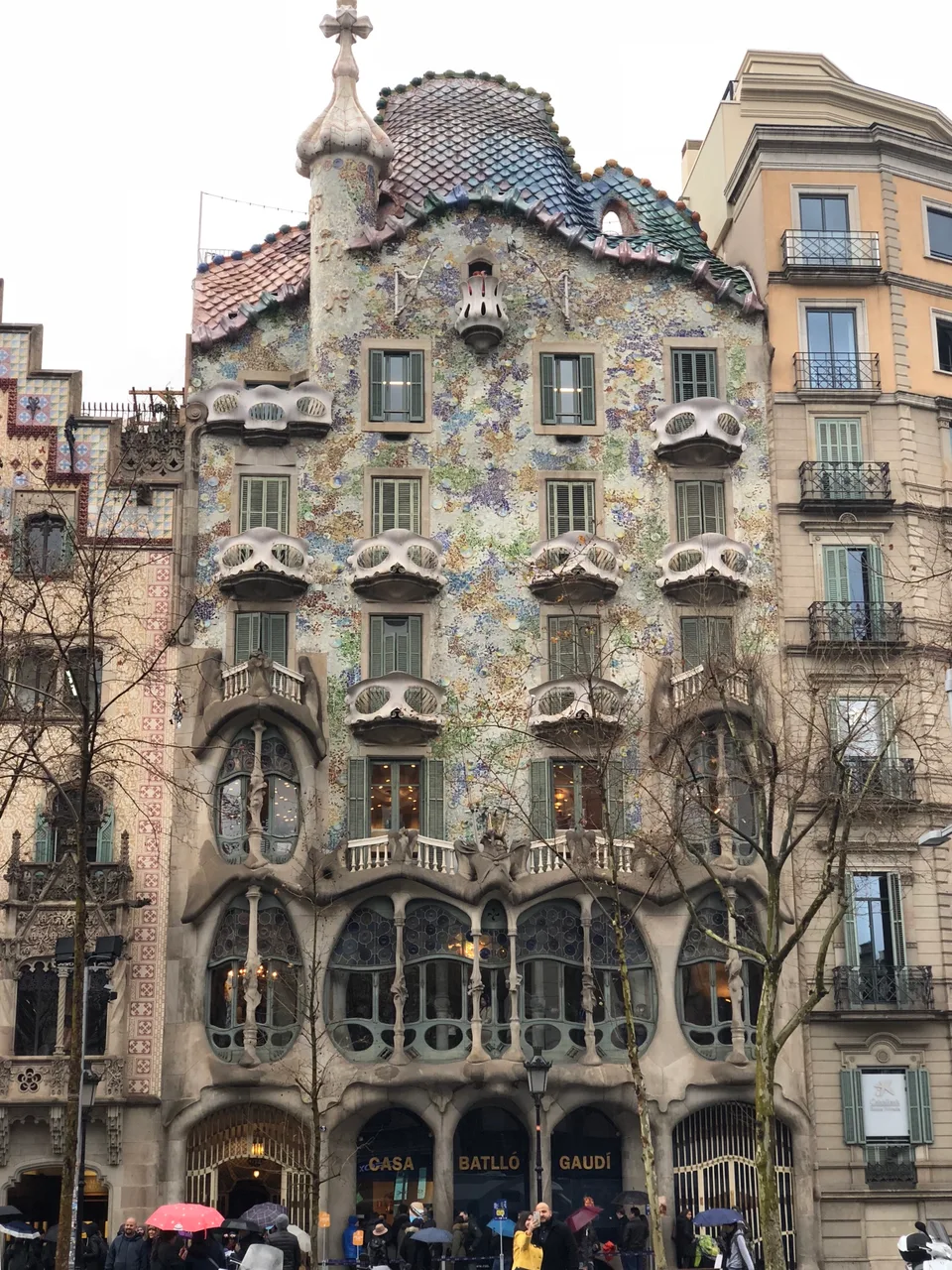
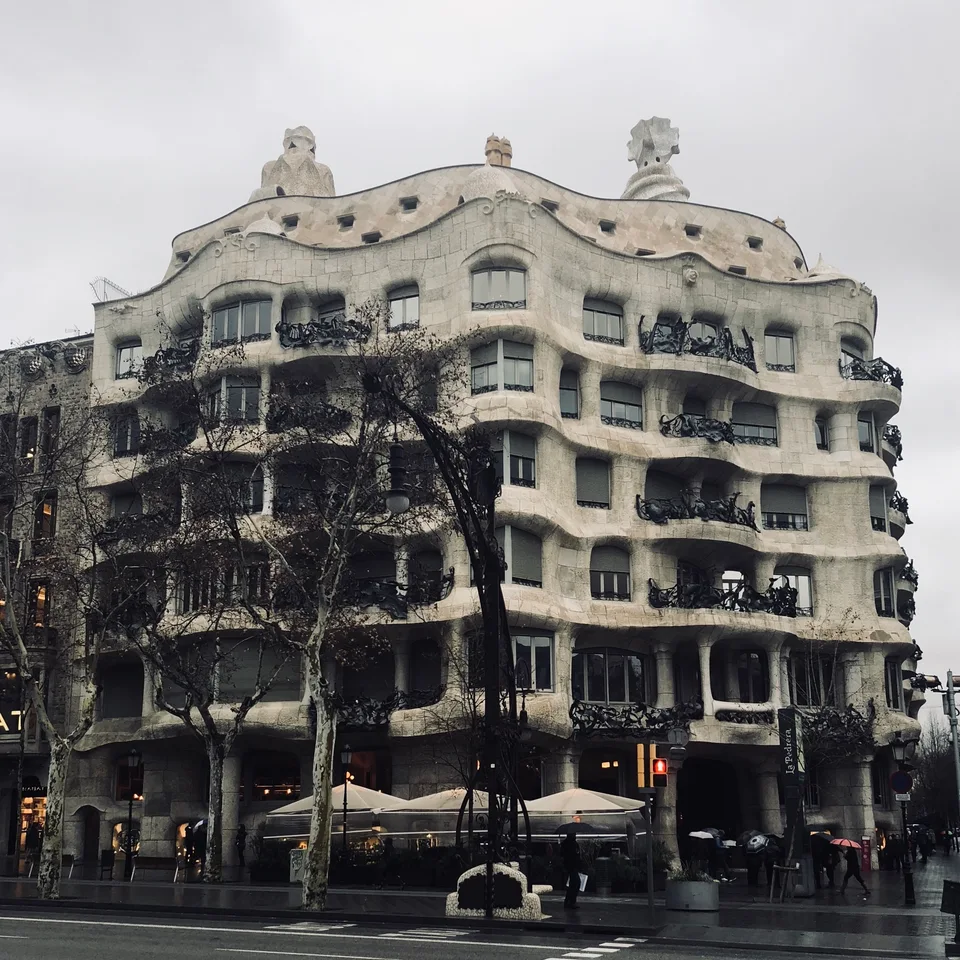
Two very different arguments against a flat façade.
Then there was the Sagrada Família. Standing beneath those towers, we kept trying to take in the whole thing and getting distracted by another detail. Stone seemed to grow, branch and accumulate. It had the scale of a monument and the restless complication of something still thinking.
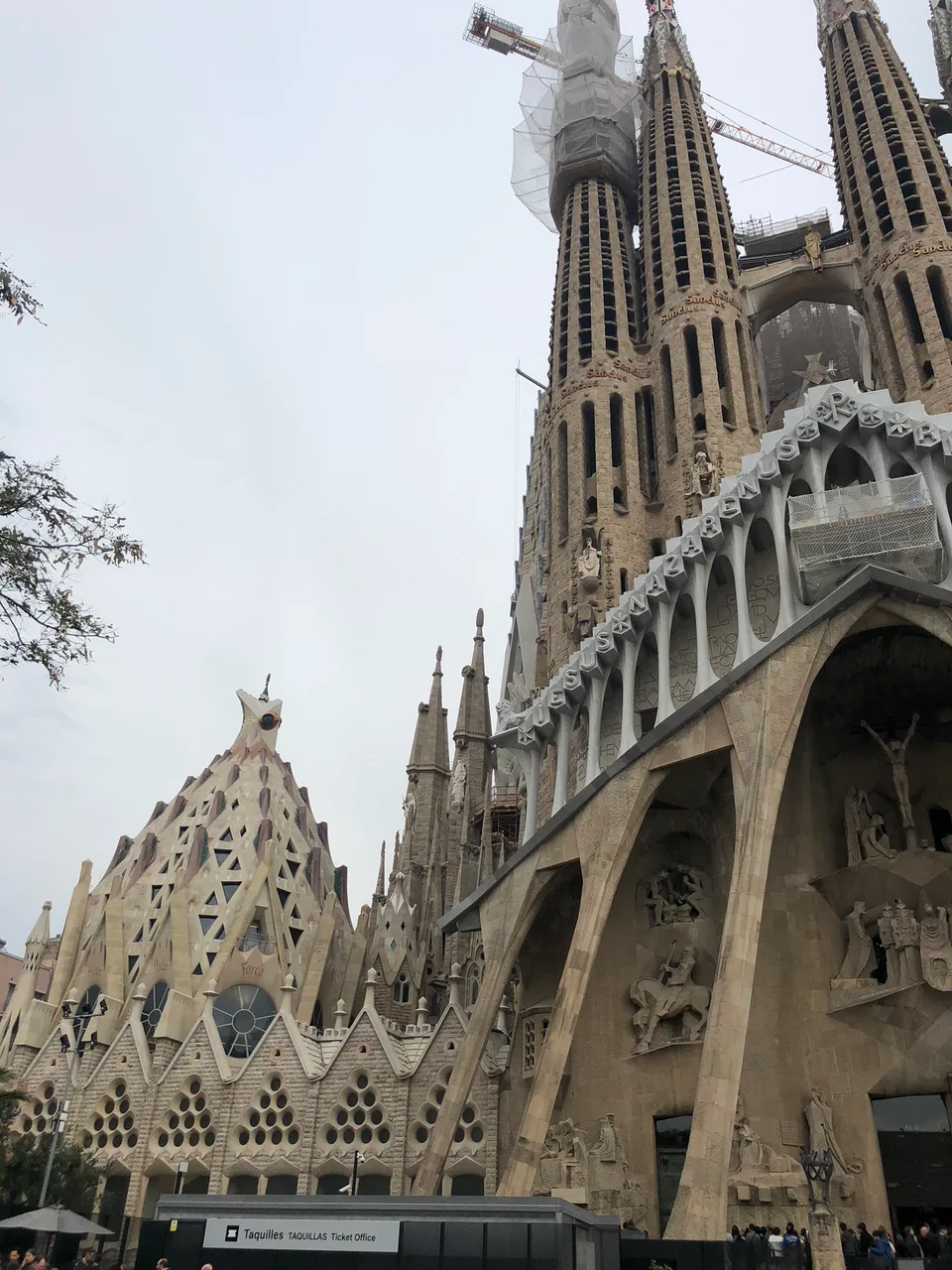
There was always another detail.
At Park Güell, that imagination spread over the hillside. Rough stone columns leaned into the paths; arches made shade without losing their resemblance to the ground they came from. The place began as a housing development for wealthy families. As property ventures go, its afterlife has been unusually successful.
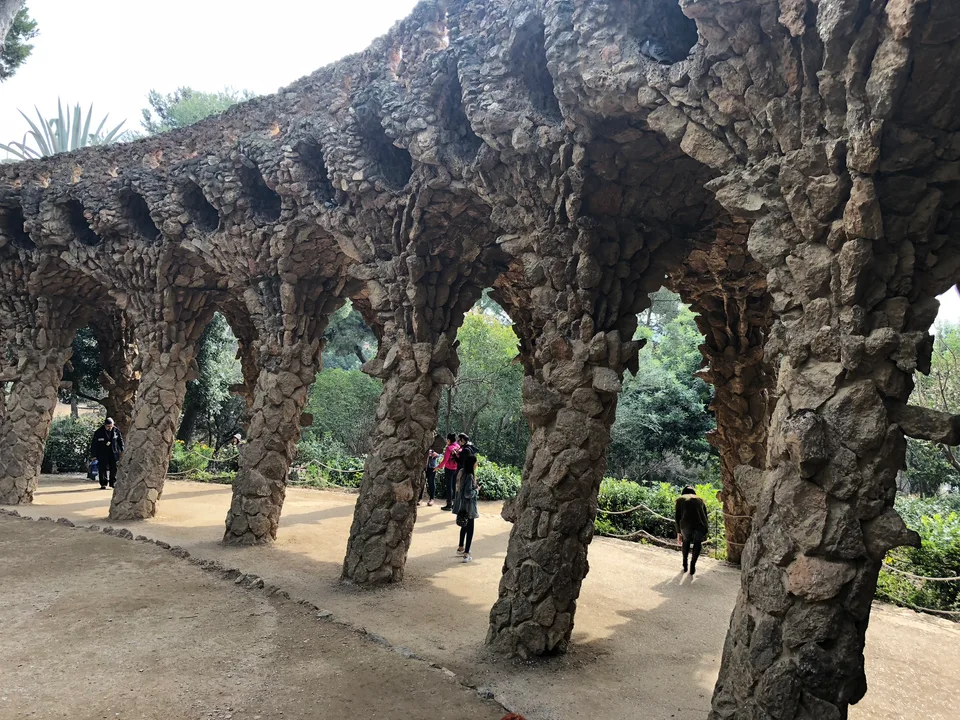
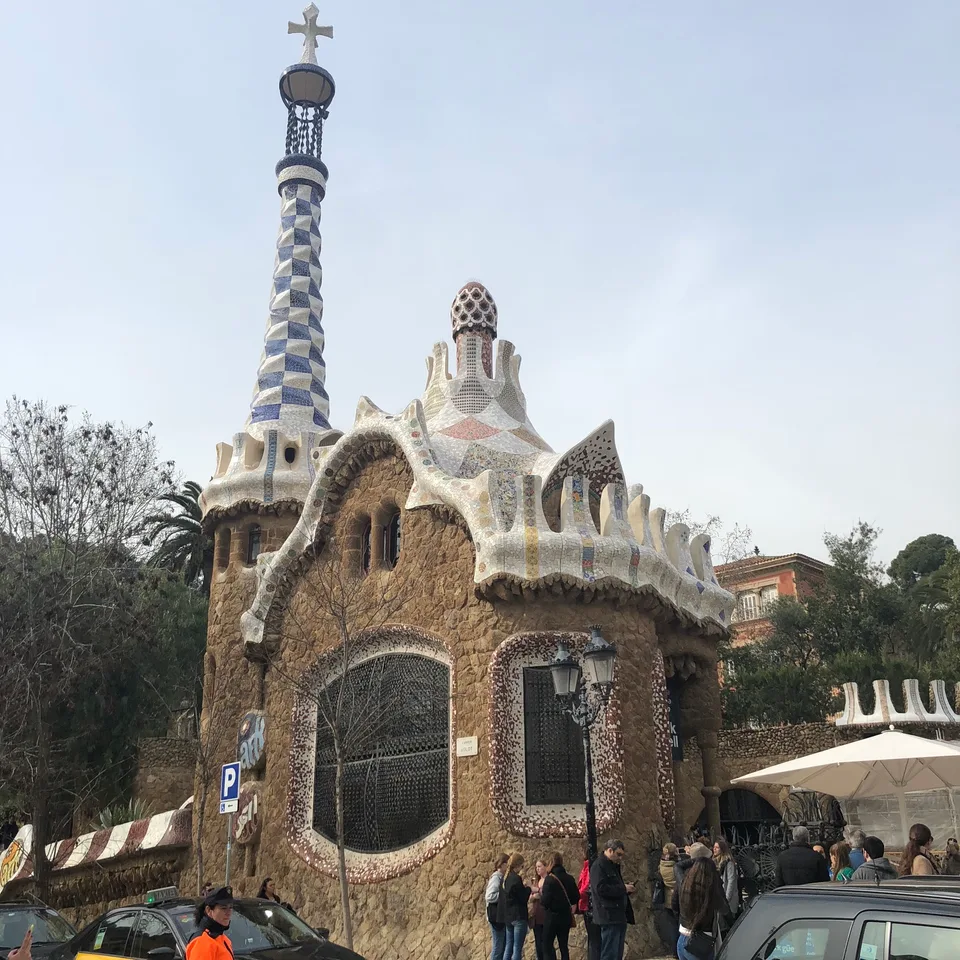
The hillside joined in.
Kristin found another expression of craftsmanship at Manolo Blahnik. Barcelona had supplied architecture, history and considerable walking. Shoes were clearly the logical next subject. We left with the familiar sensation that travel broadens the mind while quietly making other financial arrangements.
Everybody knows where to look
Camp Nou required a different kind of attention. Around the ground, scarves and shirts replaced the subdued colors of the rainy streets. We joined the crowd and found our seats in a stadium so large that the pitch seemed to pull the entire building toward it.
Then Messi was down there, playing football.
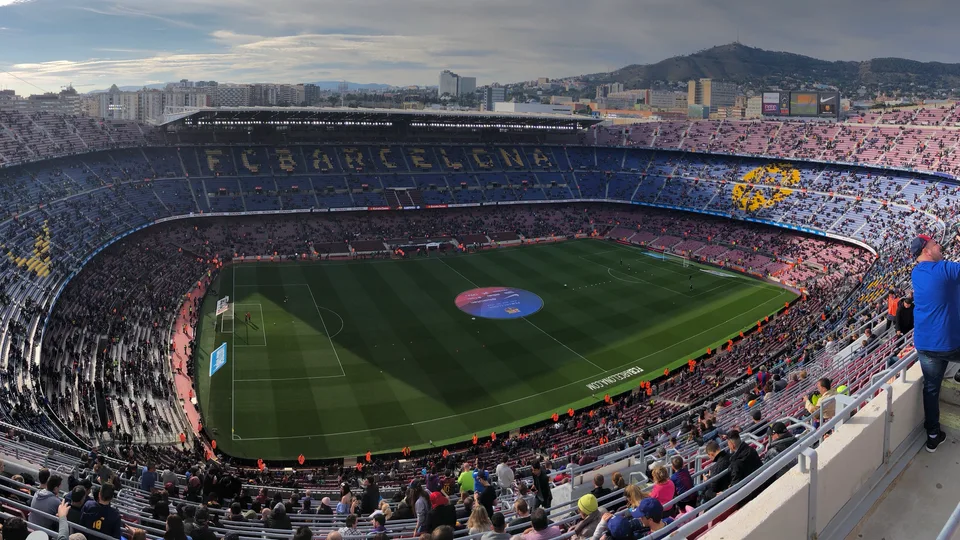
A whole stadium leaning toward one patch of grass.
Watching a match in person means accepting that the most important thing might happen somewhere you aren’t looking. With Messi, the crowd helped. Its attention tightened; the sound rose; thousands of people recognized a possibility before it had properly become an event. We followed that current and got swept along.
We’d seen the broadcasts. They hadn’t quite conveyed what it felt like to be inside all that expectation. For a while, our job was beautifully simple: watch the field, wear the scarf, make noise.
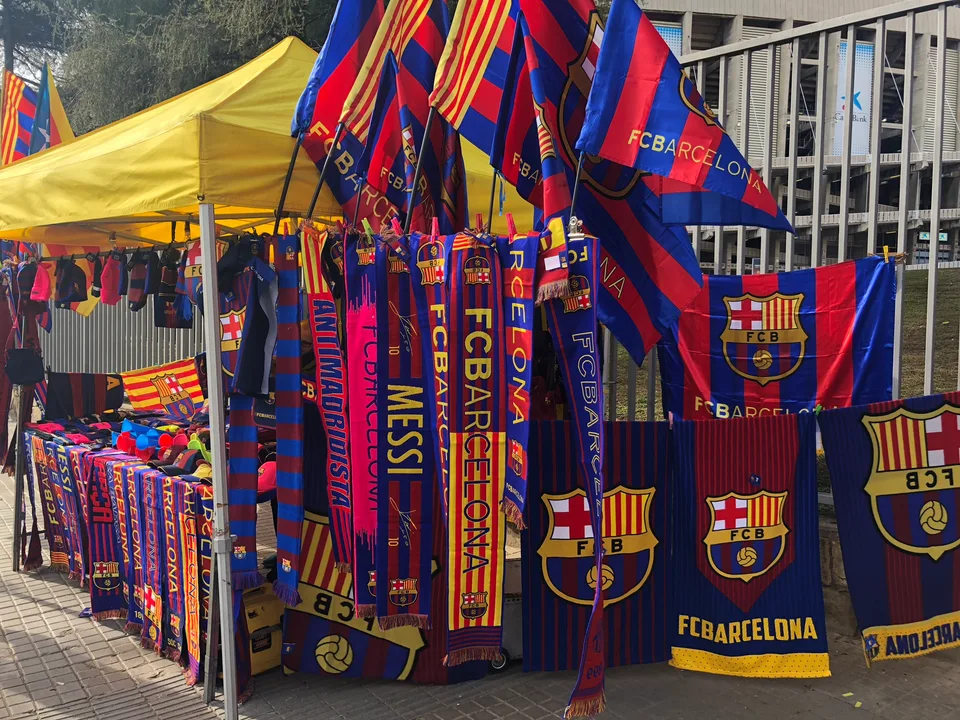
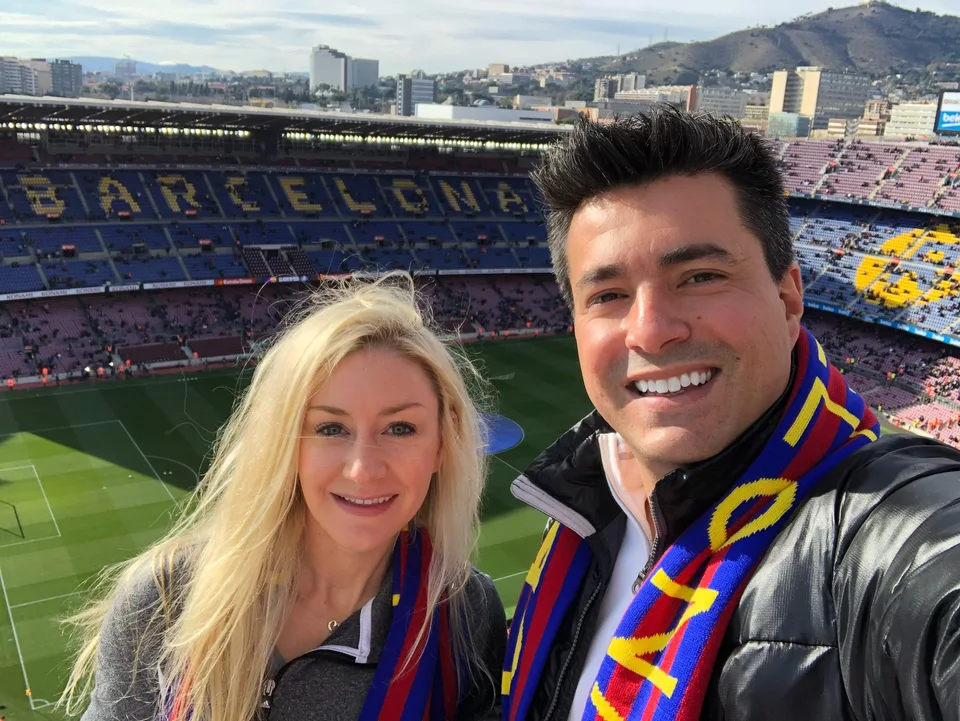
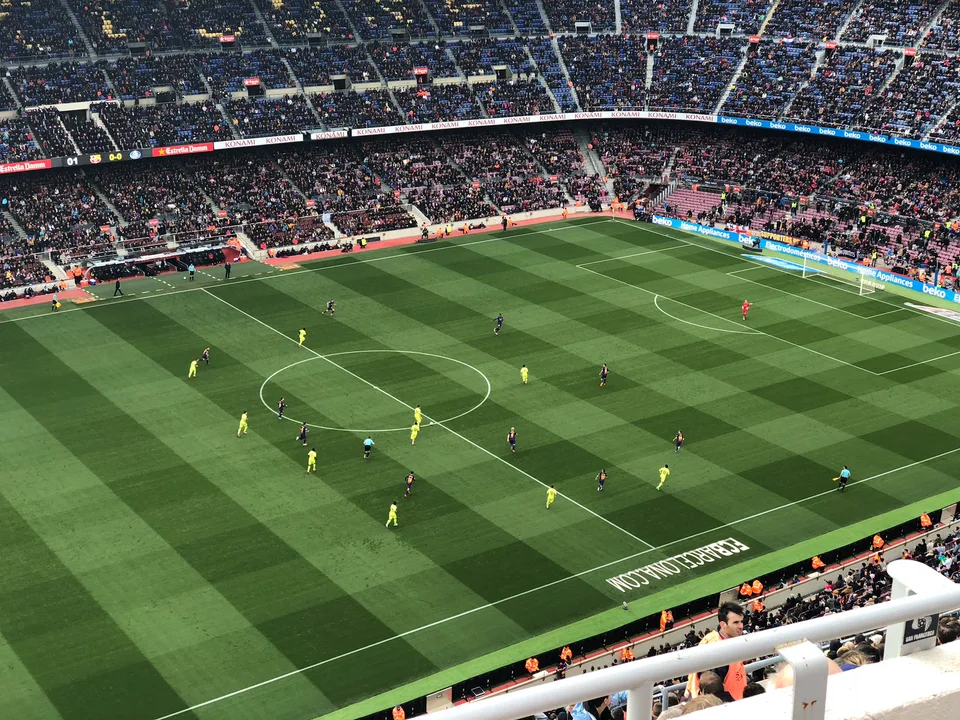
Our part was straightforward: scarves, seats, noise.
Snow above, bubbles below
The rental car took us out of Barcelona and toward Montserrat, where the mountains rose in serrated stone shapes and winter had made itself thoroughly comfortable. Snow lay around the monastery. The drive had delivered the kind of views that made us glad we’d gone and equally glad we weren’t the ones who had to build the road.
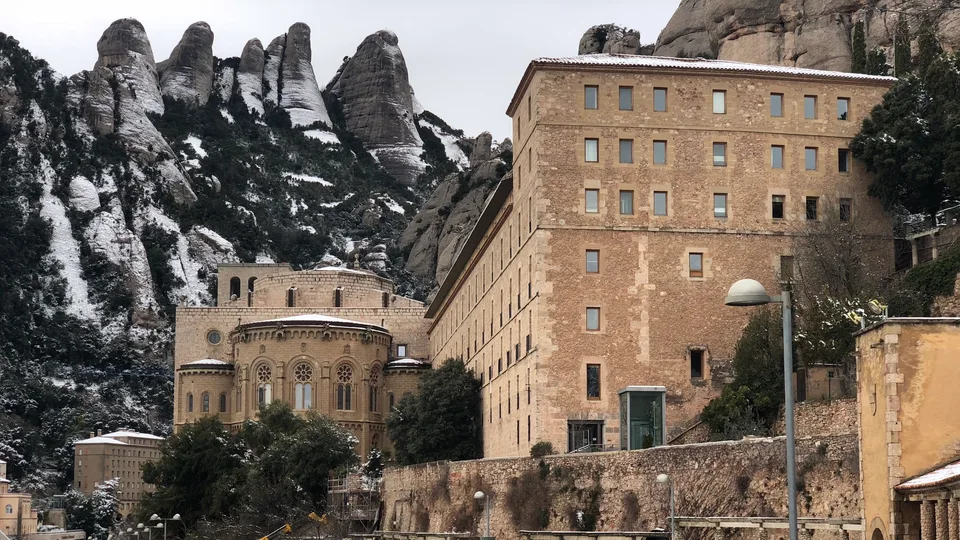
Winter had arrived first.
Up there, the landscape did most of the talking. Rock towers stood above the buildings; the cold sharpened their edges. We had traded the city’s crowded streets for a place that seemed to have withdrawn from the usual arrangements of daily life.
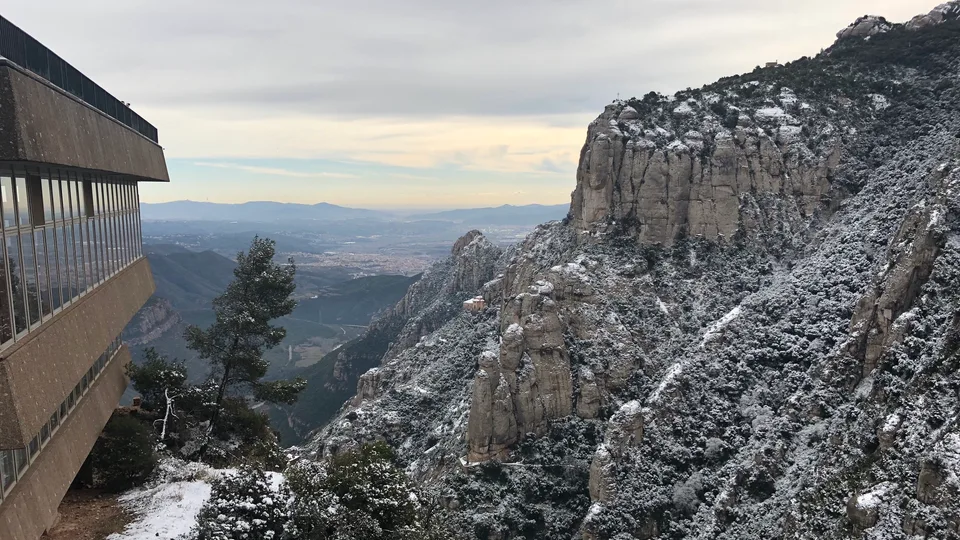
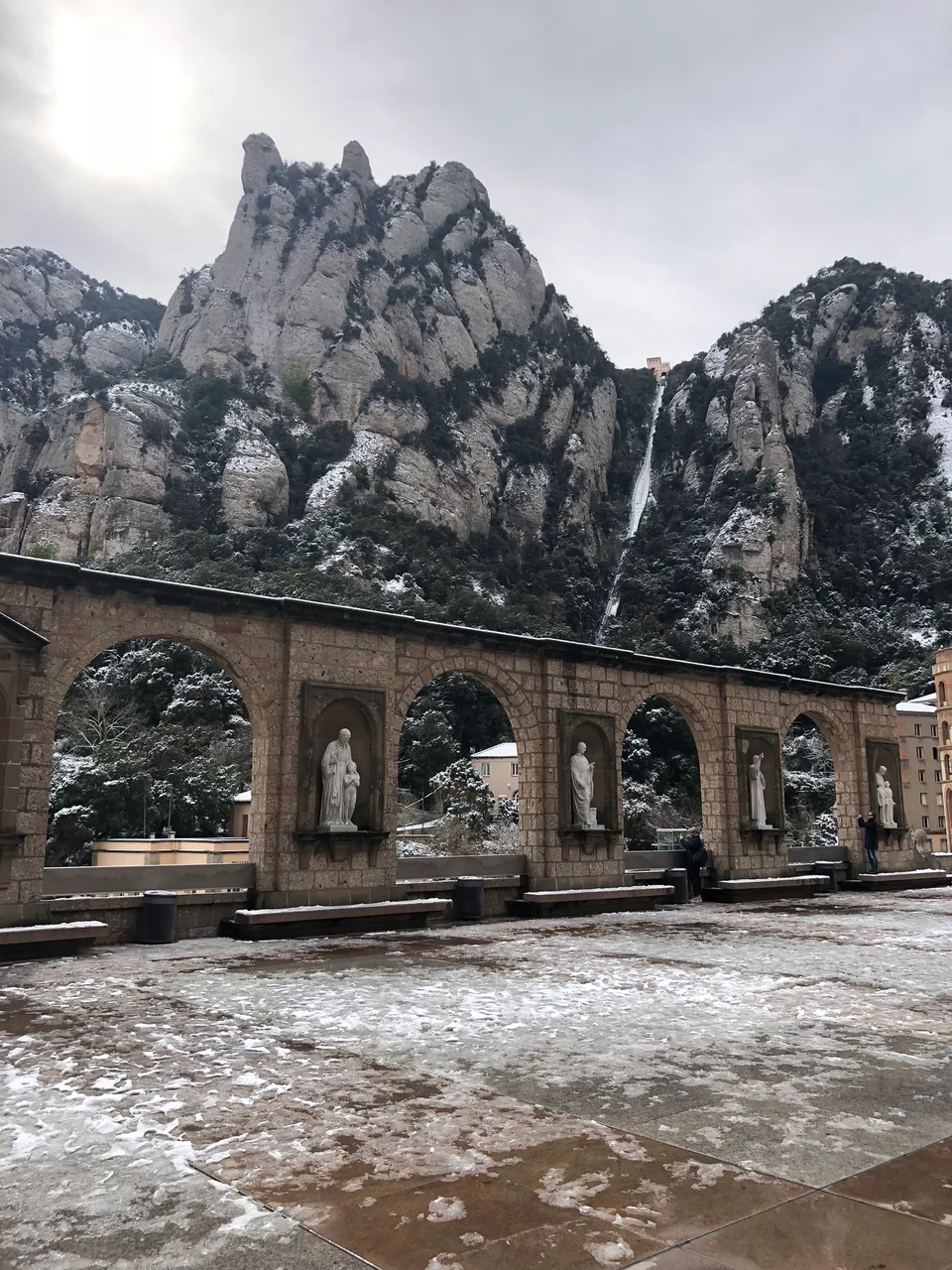
Out of Barcelona. Above the usual arrangements.
Inside was La Moreneta, the Black Madonna. The small Romanesque carving dates from the twelfth century. In her hand she holds a globe, a symbol of the cosmos: an enormous responsibility for something pilgrims approach so intimately. The gesture of reaching toward her belonged to that long tradition of devotion and asking for a blessing. Whatever words people brought with them, the movement was a simple one.
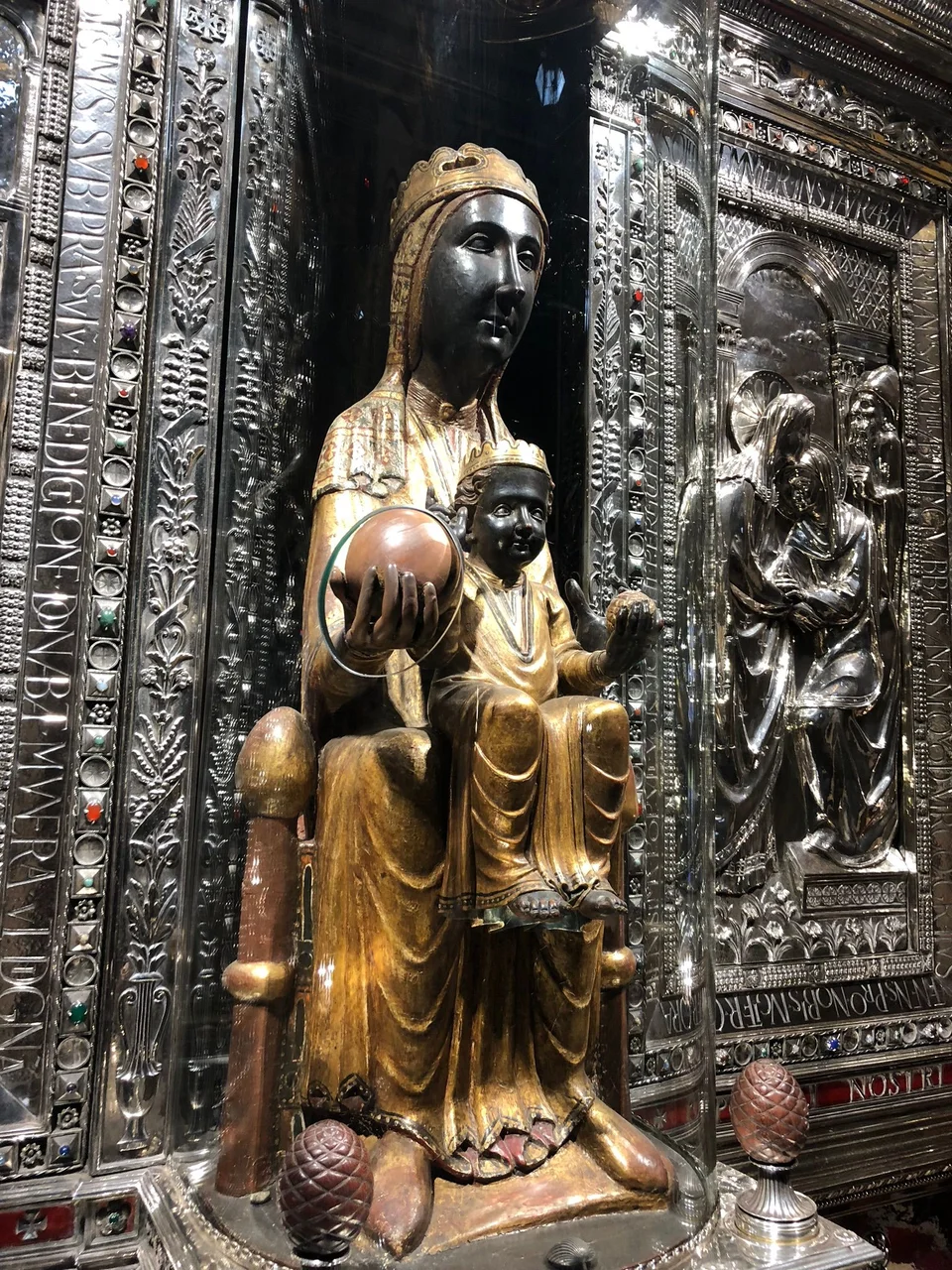
A small figure, a long pilgrimage.
Candles flickered nearby, each flame carrying something we couldn’t know. We stayed a little, then returned to the cold. The snow, the dark Madonna and the warm points of light have remained together in our memory.
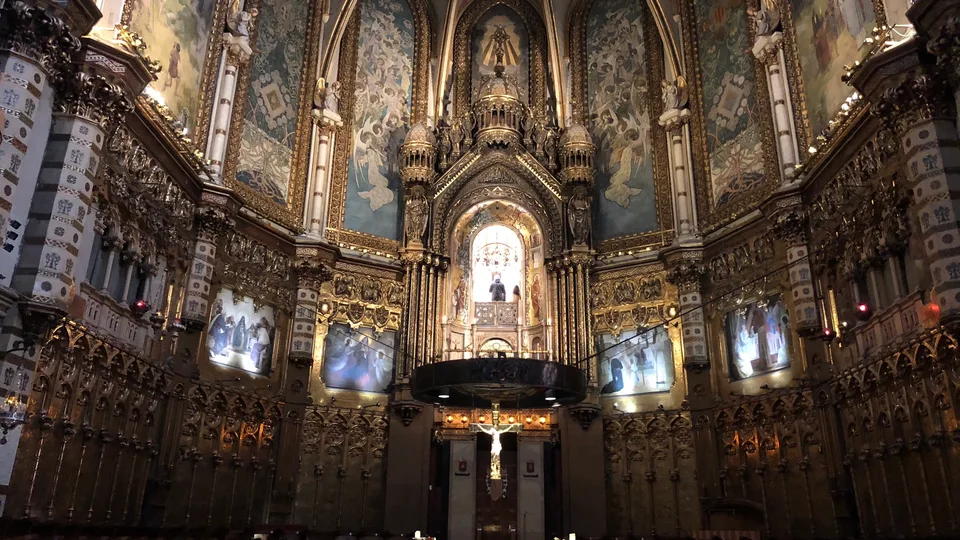
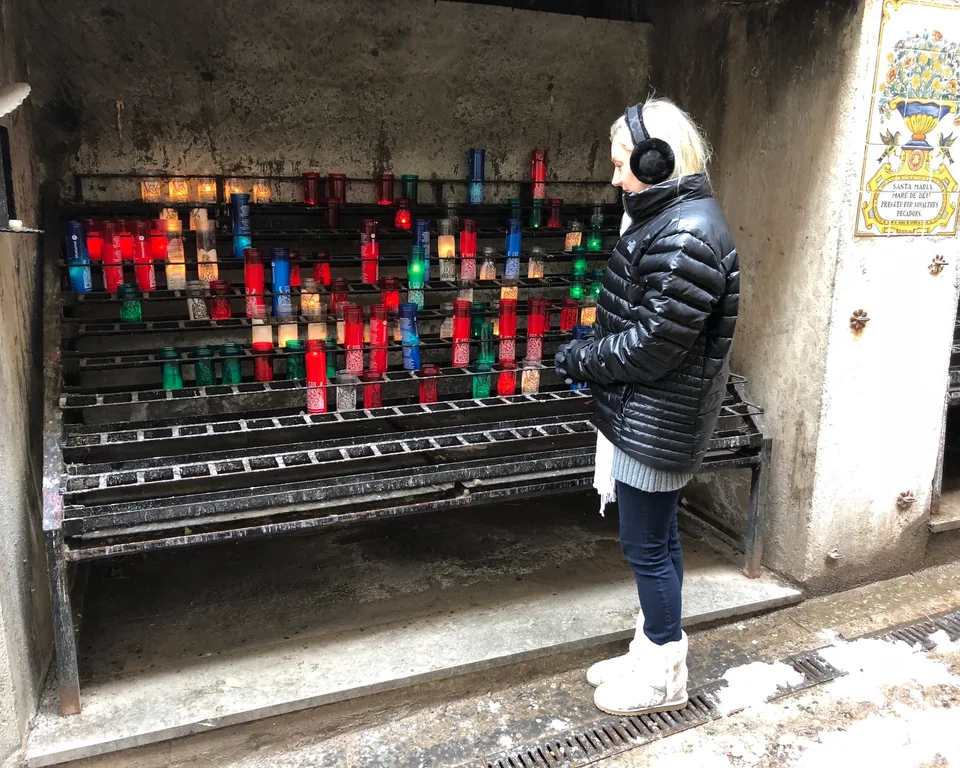
Out of the cold, into the candlelight.
From the mountain, we drove toward the cava country around Sant Sadurní d’Anoia. At Agustí Torelló Mata, we discovered the inconvenient distinction between arriving at a winery and arriving while it was open.
Then the woman came out.
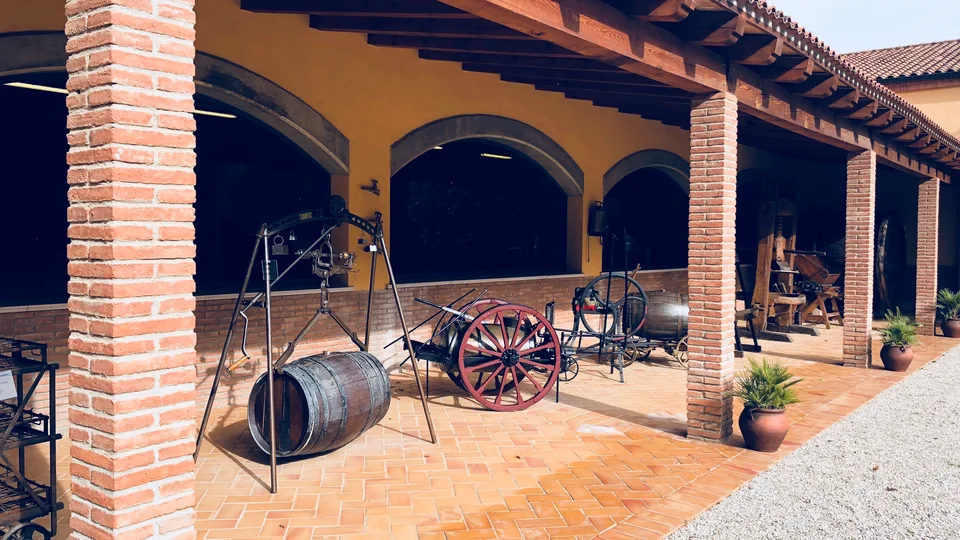
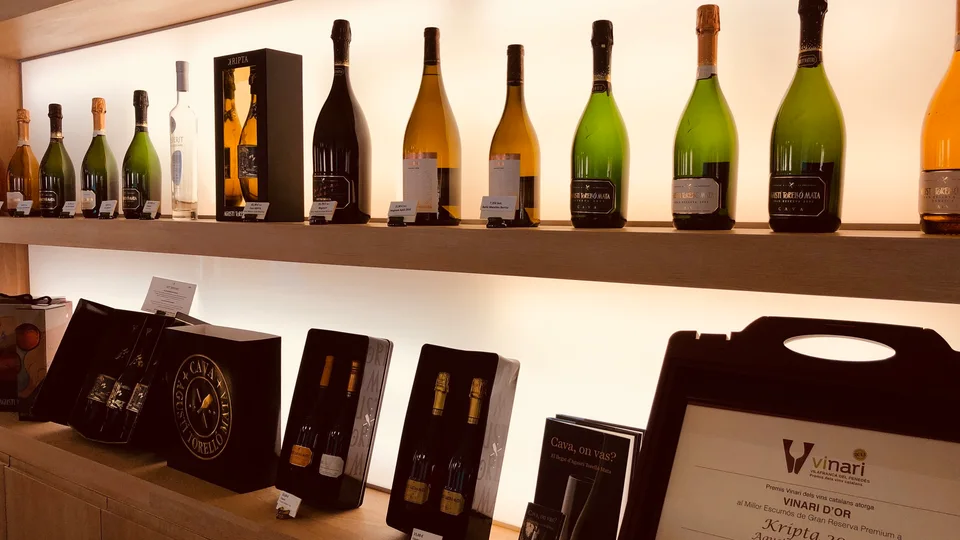
Closed was only the beginning.
What followed felt wonderfully disproportionate to our planning. She welcomed us in. A gentleman joined the tasting. Bottles were opened, including Kripta, with its distinctive rounded shape and the sort of contents that quickly discourage you from looking at your watch. We had expected, at best, to salvage a stop. Instead we were being given time, attention and very good cava.
The signed book we left with was Cava, where are you headed?, Josep Forns Varias’s account of Agustí Torelló Mata’s legacy. A book has a reassuring solidity after a tasting. You can carry it home and prove, at least to yourself, that the afternoon wasn’t entirely bubbles.
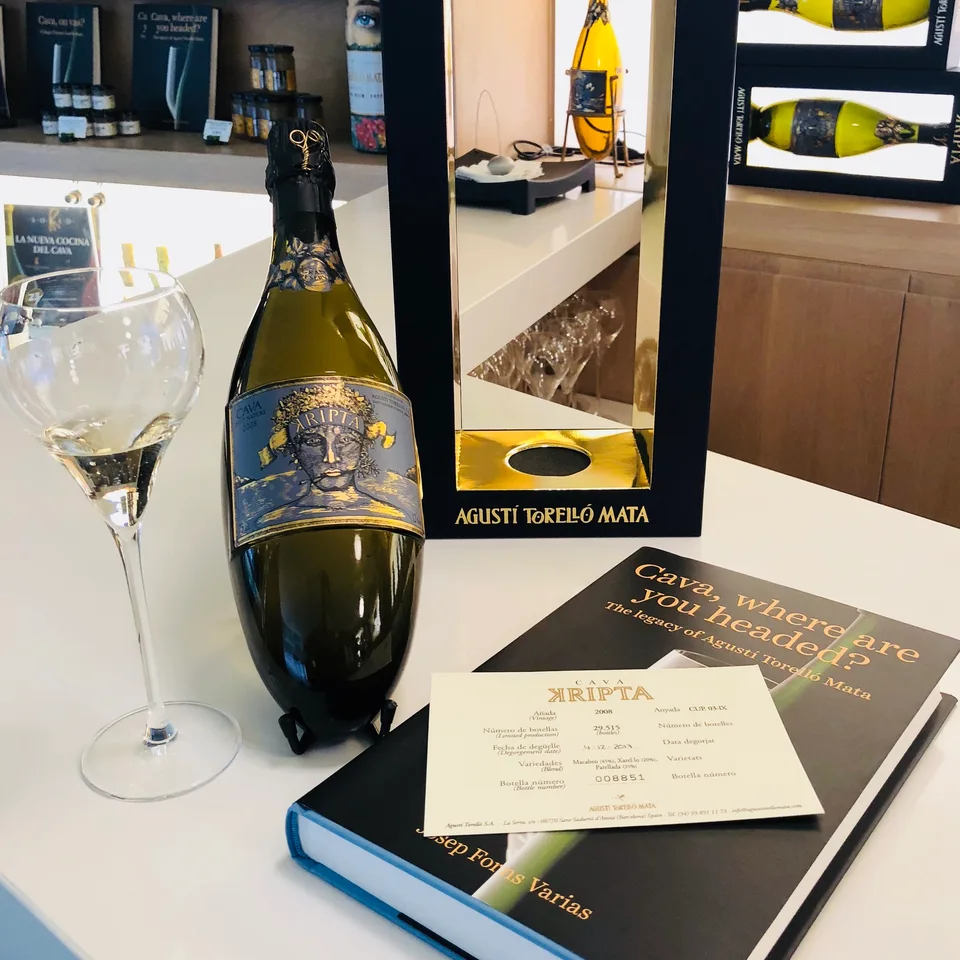
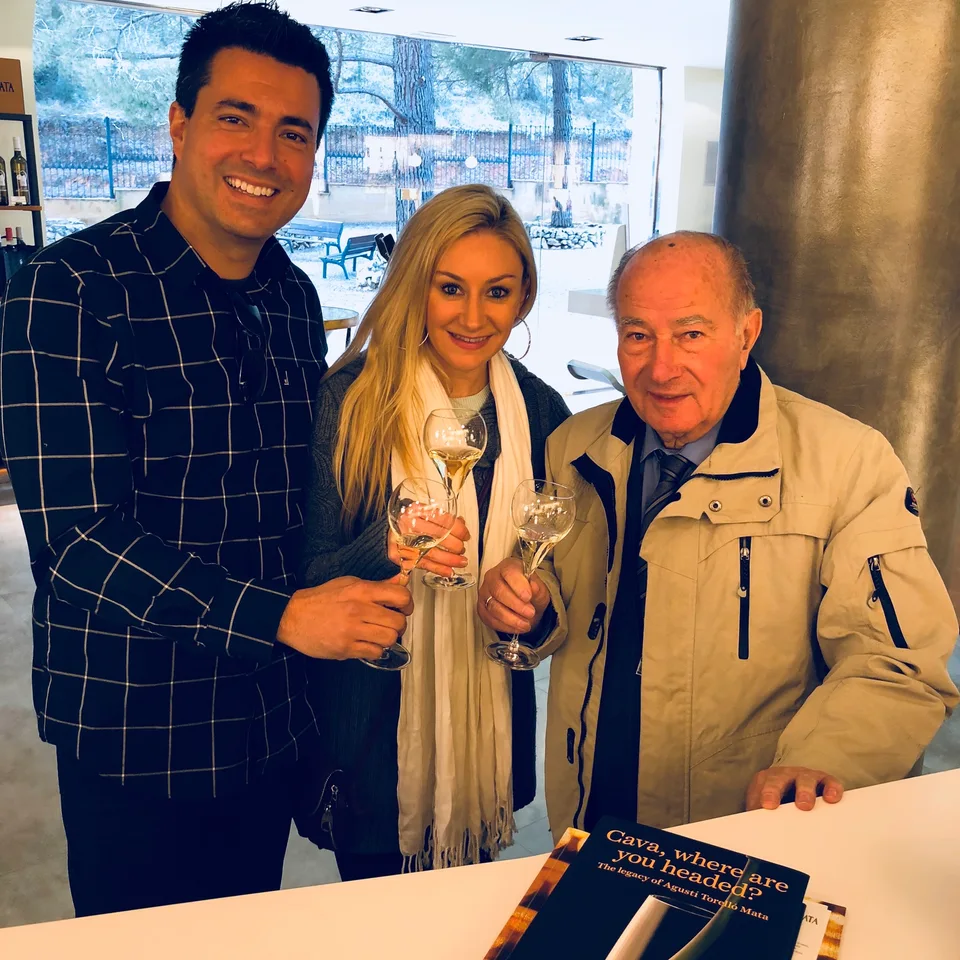
Bottles opened. A book signed. An afternoon kept.
The pleasure was in how freely the encounter unfolded. Someone could have explained that the winery was closed and been entirely within reason. Instead, the visit became one of the moments we would keep returning to when we talked about Spain.
Freixenet was our final stop, a familiar name suddenly attached to a real property and another tasting. The bottle-shaped cars outside suggested an organization comfortable with its identity. After the unexpected intimacy of our first stop, there was something satisfying about meeting a label we already knew on its own doorstep.
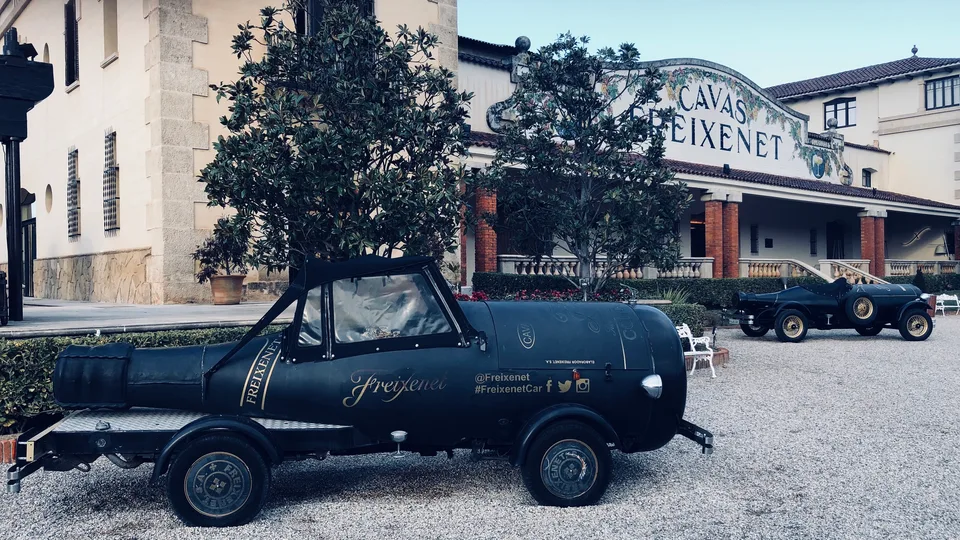
Subtle branding was considered.
“Someone could have explained that the winery was closed and been entirely within reason.”
The room stayed. We left.
We kept our Barcelona hotel room and packed a backpack for Ibiza. An early flight, a rental car, two days on the island: a brief disappearance inside a longer trip. Leaving most of our belongings behind made the whole arrangement feel pleasantly unserious.
A room in Barcelona. A backpack in Ibiza.
Ibiza met us with water, white buildings and room to roam. We drove around the island, followed the coast and stopped for views that had no interest in our schedule. Pine trees reached toward coves. Waves worked at the rocks. Away from the island’s party reputation, there was a quieter place making a very persuasive case for itself.
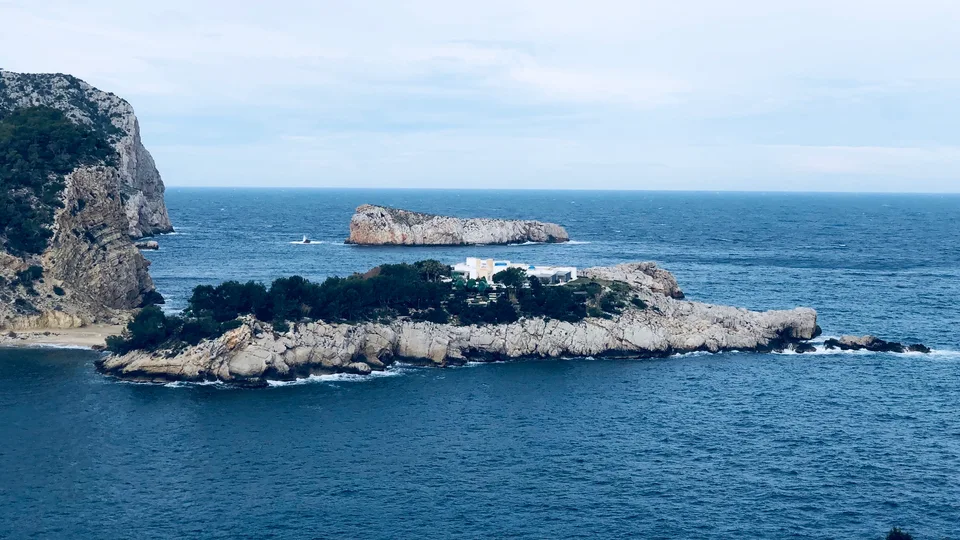
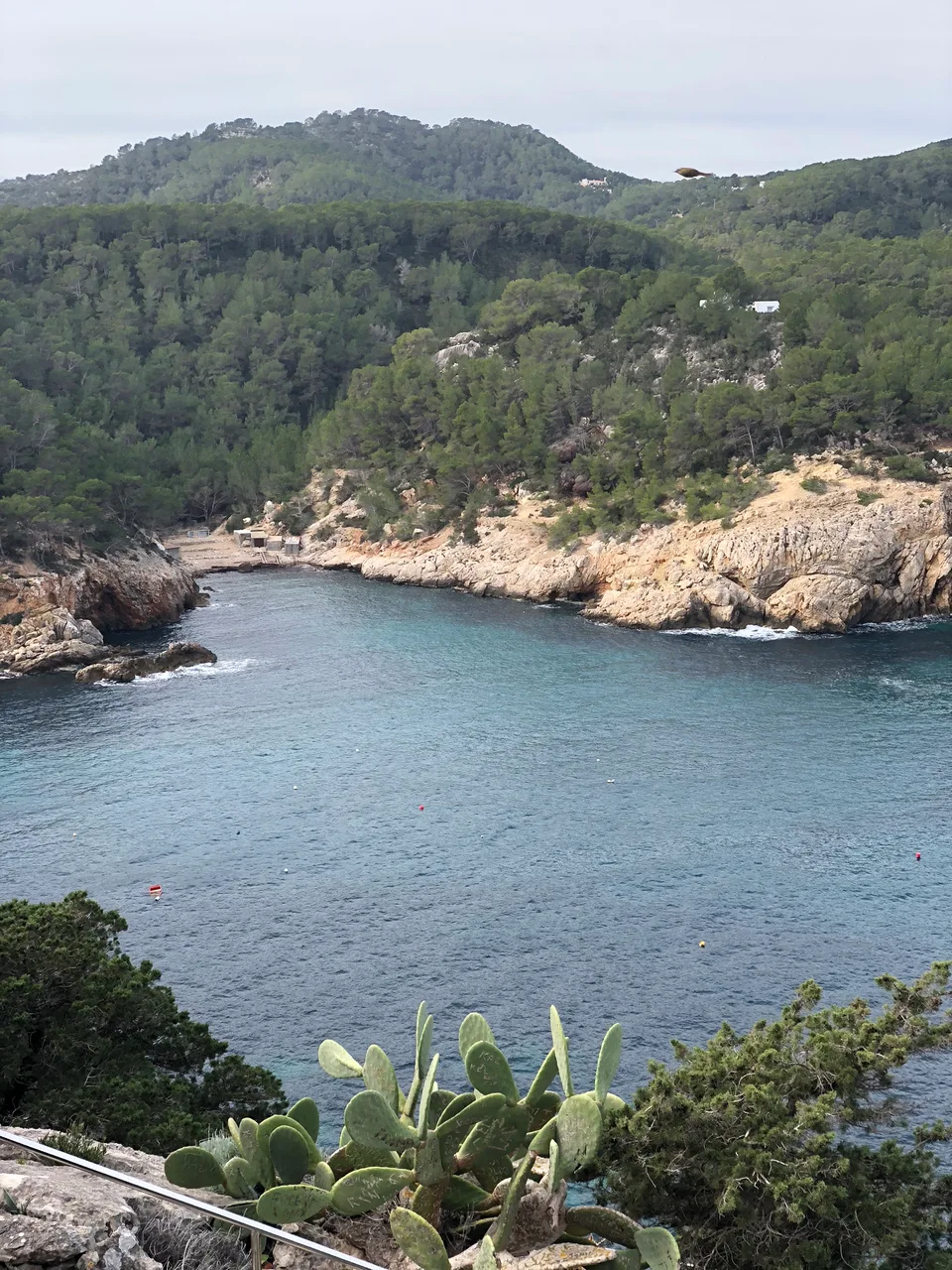
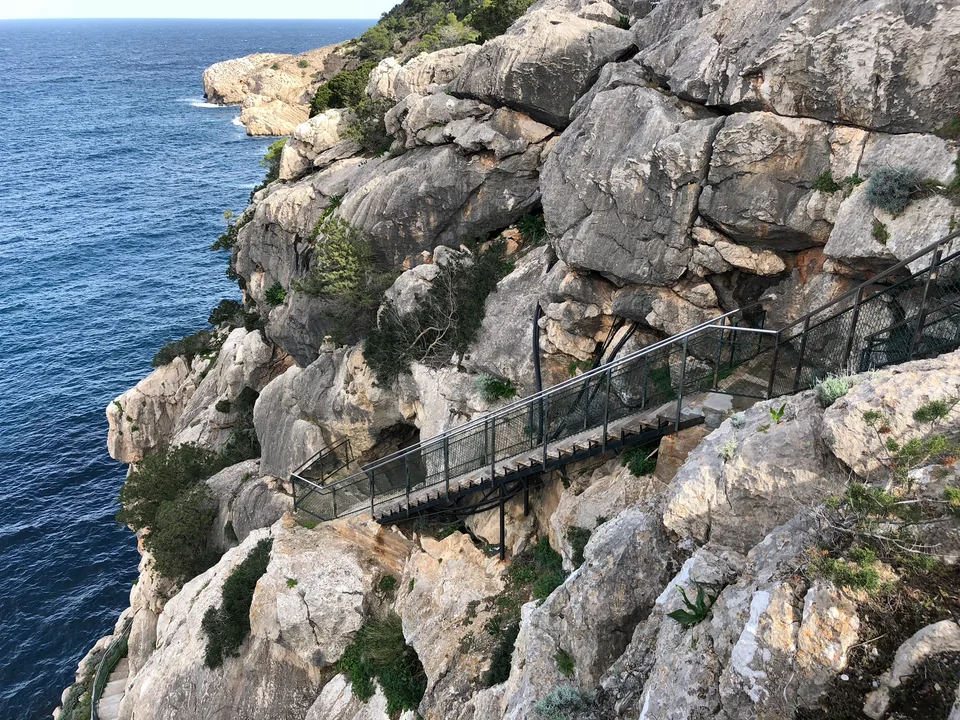
The island had quieter plans. We followed them.
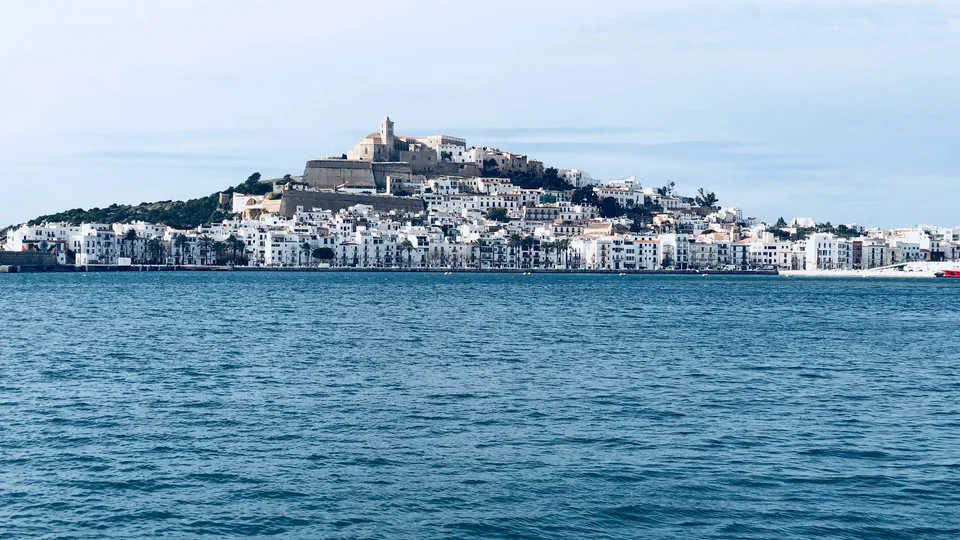
At the marina, boats sat beneath the rising old town. We climbed into Dalt Vila, through stone passages and streets that gradually gave us more sky. Its Renaissance defenses were built with rather more serious arrivals in mind than two travelers carrying a backpack. From above, the harbor spread out below the walls, and the day seemed generous with both light and time.
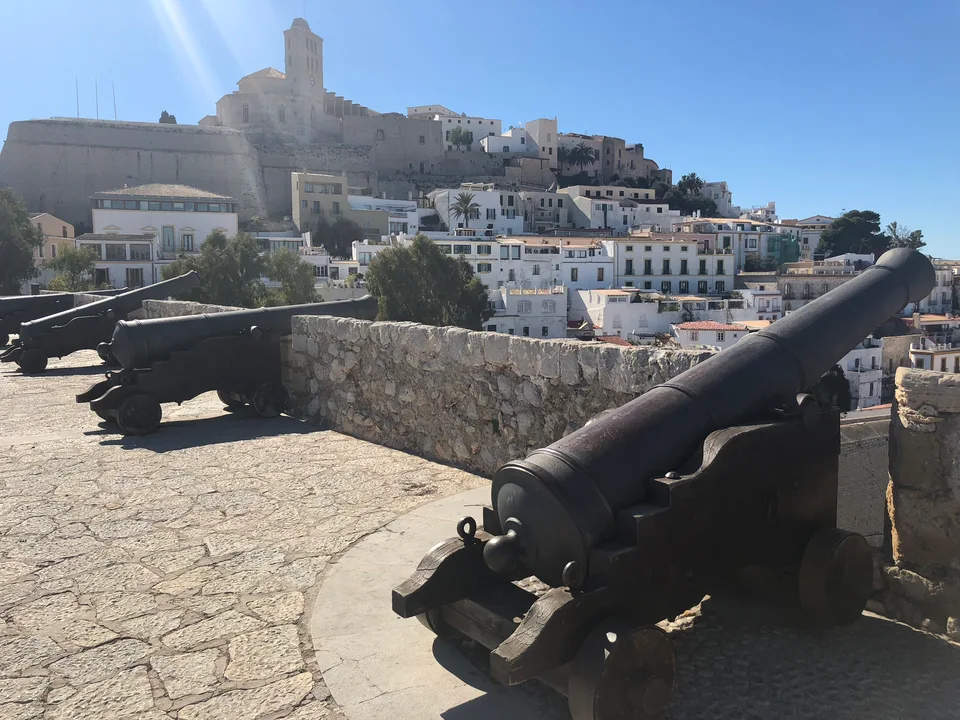
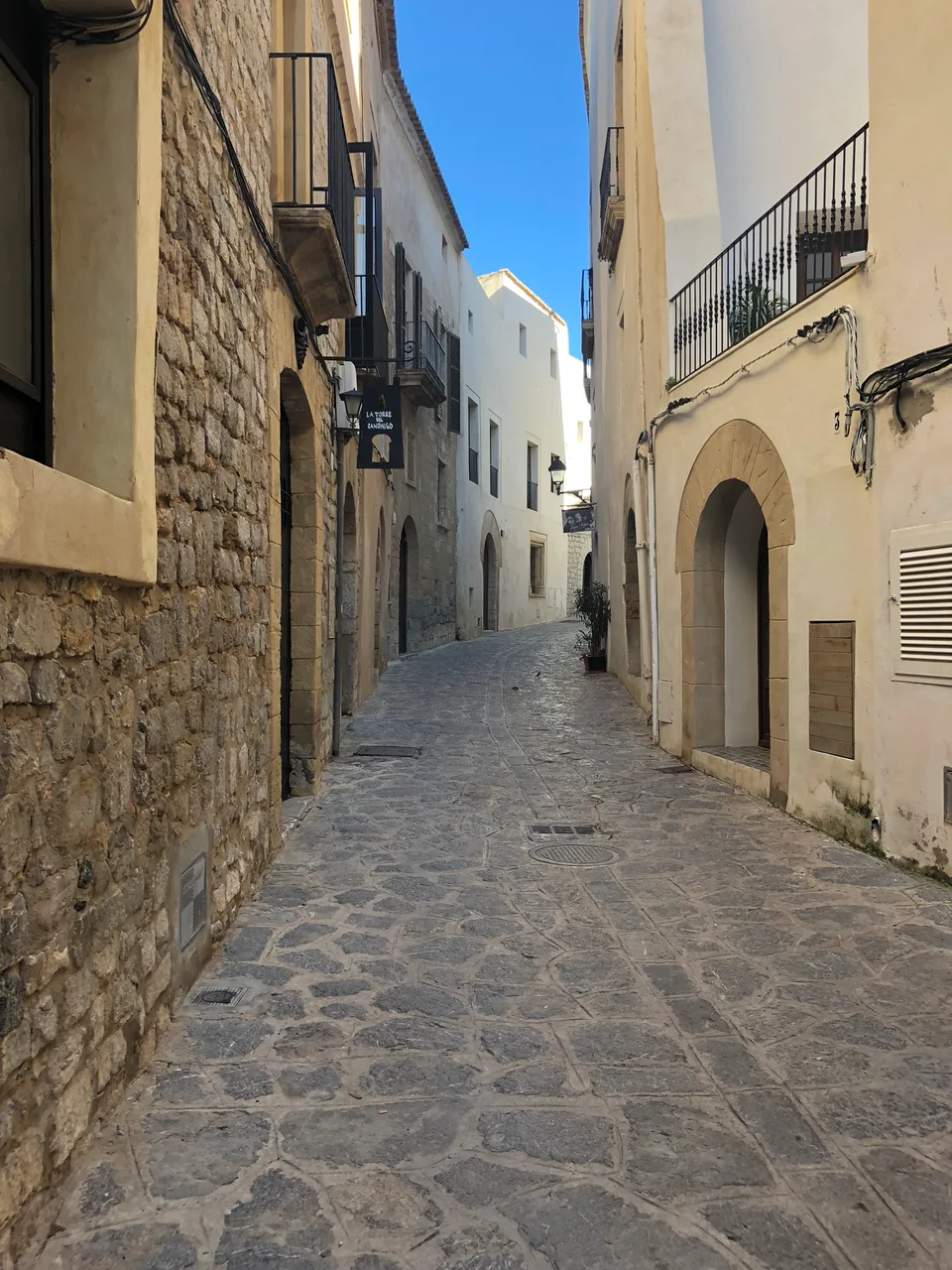
Built for less casual arrivals.
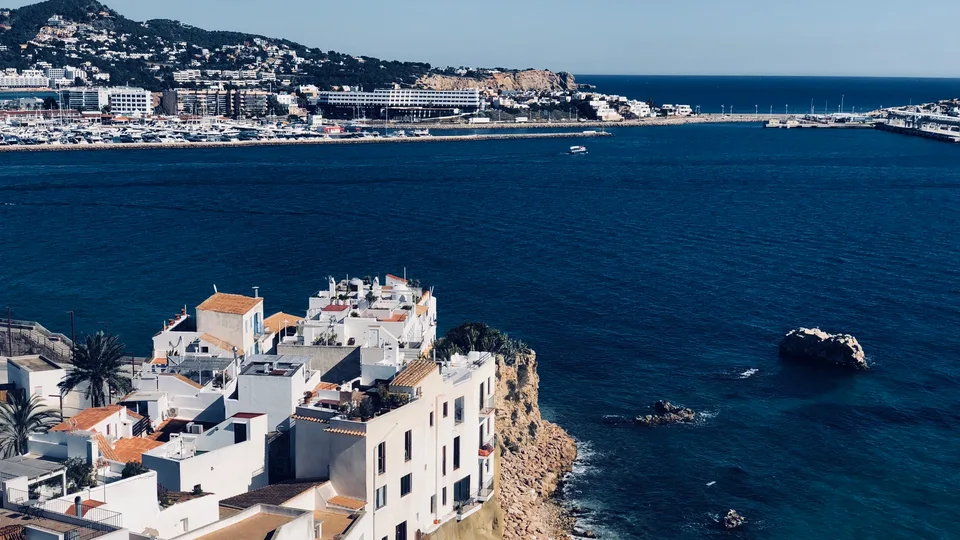
The climb made its point.
We ate well, lingered over dinner, listened to a DJ and took a pill.
Tylenol. The island survived our contribution to its mythology.
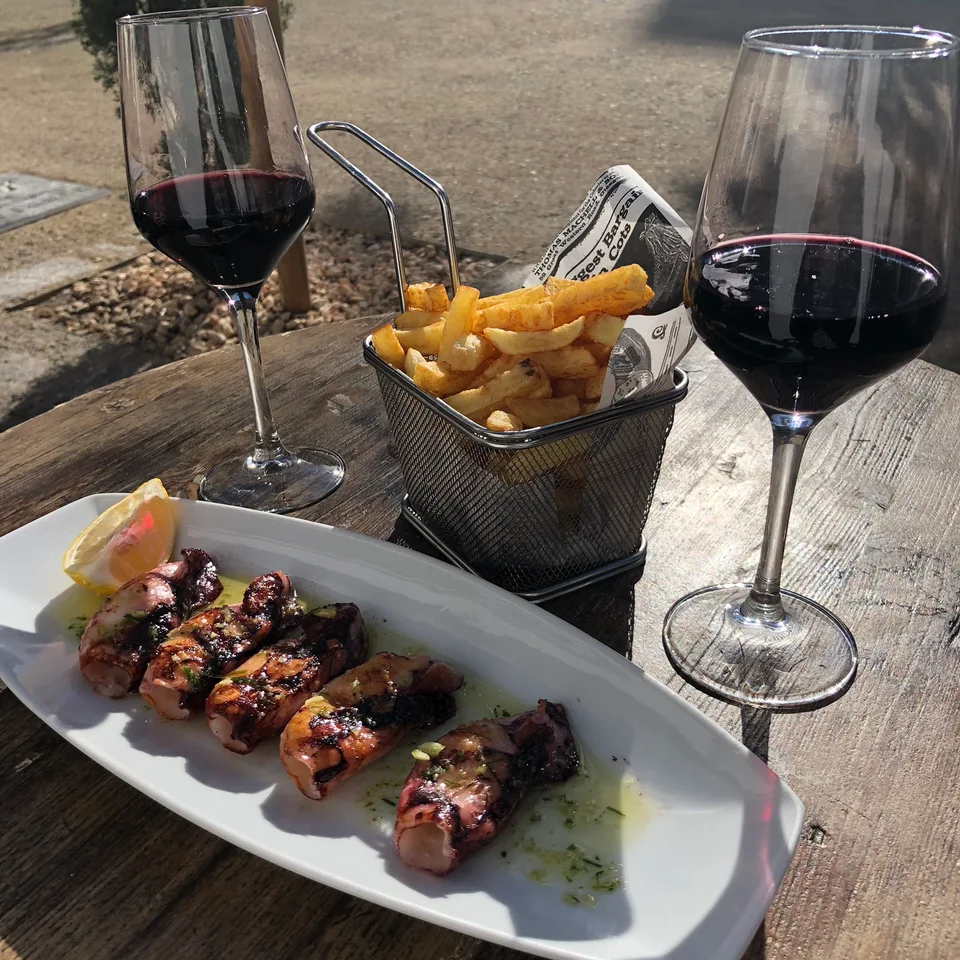
Dinner had our full attention.
Sunset deserved the better part of our attention. Near the water, the horizon warmed and the sea began collecting the color. For once, we managed to watch something disappear without immediately discussing what came next.
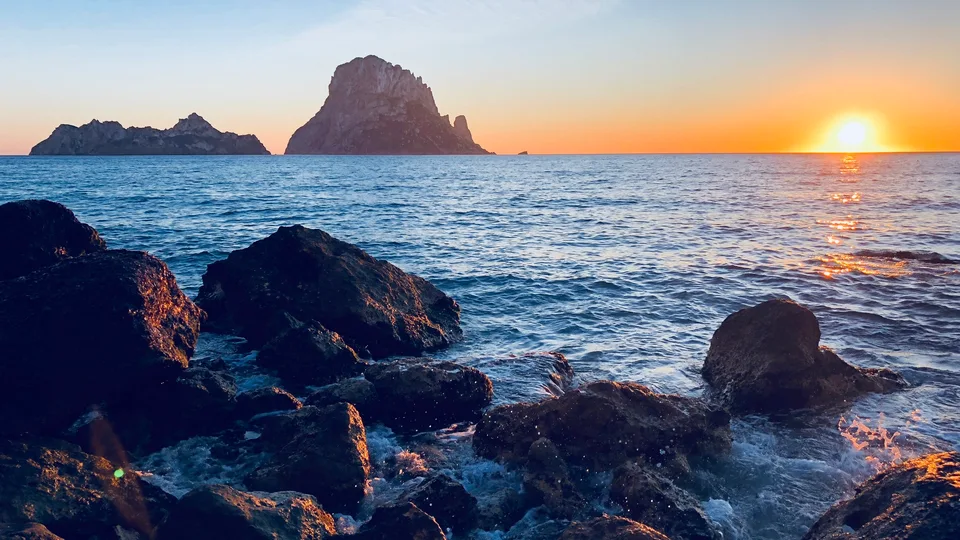
We stayed for the ending.
One more evening
Back in Barcelona, our room was still there and the city carried on without appearing offended by our absence. We returned to the small pleasures: food shops, old storefronts, the almost theatrical care with which ordinary things were displayed. A pharmacy could hold our attention as effectively as a famous façade. Someone had thought the bottles, woodwork and lettering deserved to be beautiful.
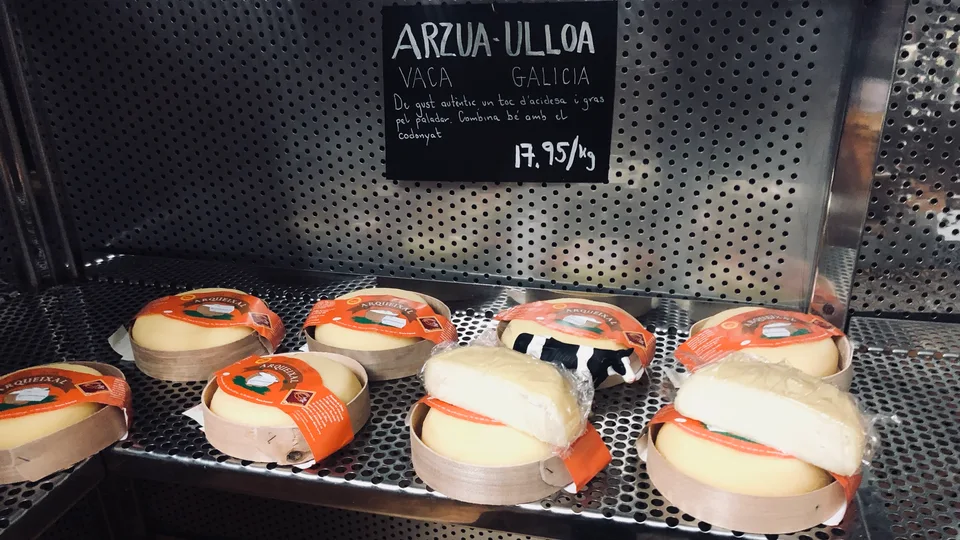
Another reason to stop.
In a dark tea shop, we drank from beautiful glasses and let the day slow down. Tea is especially good at making sitting still look like a purposeful activity. After mountains, flights and stadium crowds, we were ready to give it our full cooperation.
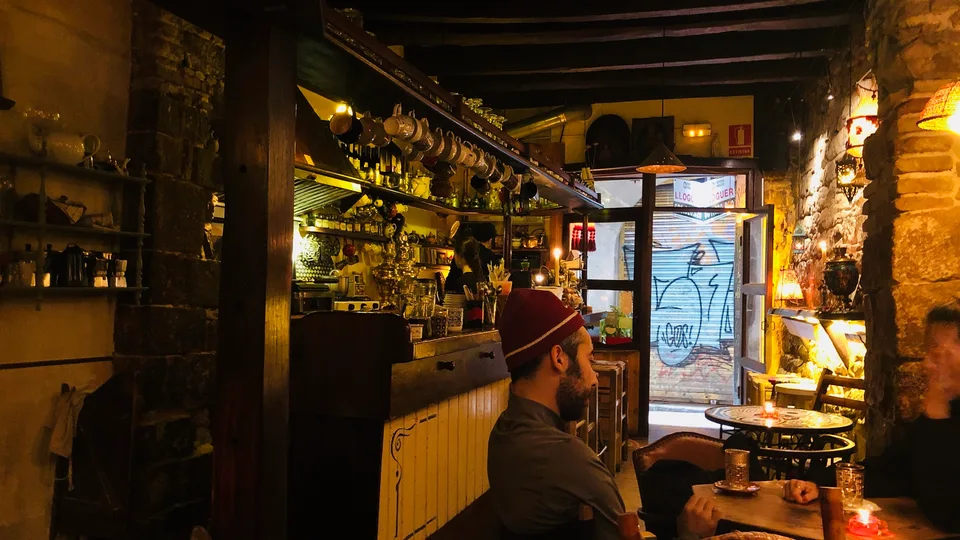
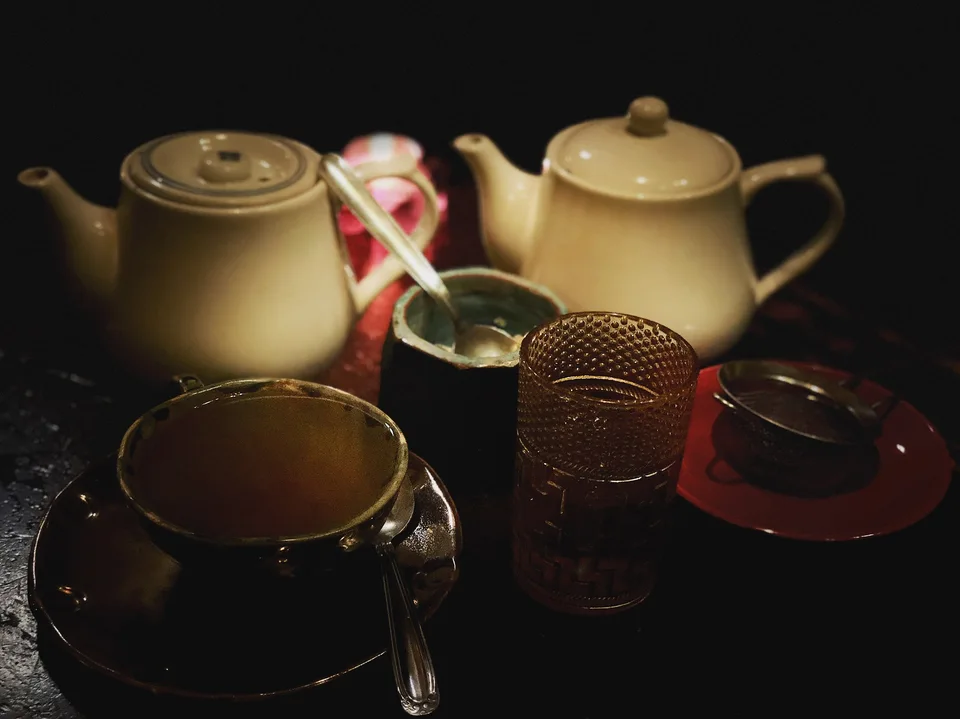
Sitting still, with purpose.
Our final grand gesture was an evening at the Gran Teatre del Liceu. Beyond La Rambla’s movement stood a different Barcelona: chandeliers, ornament, tiers of gilded balconies, a room arranged around the conviction that a performance deserved every ounce of attention it could command. The theater’s history reaches back to 1847. We settled into our own small part of it and looked toward the stage.
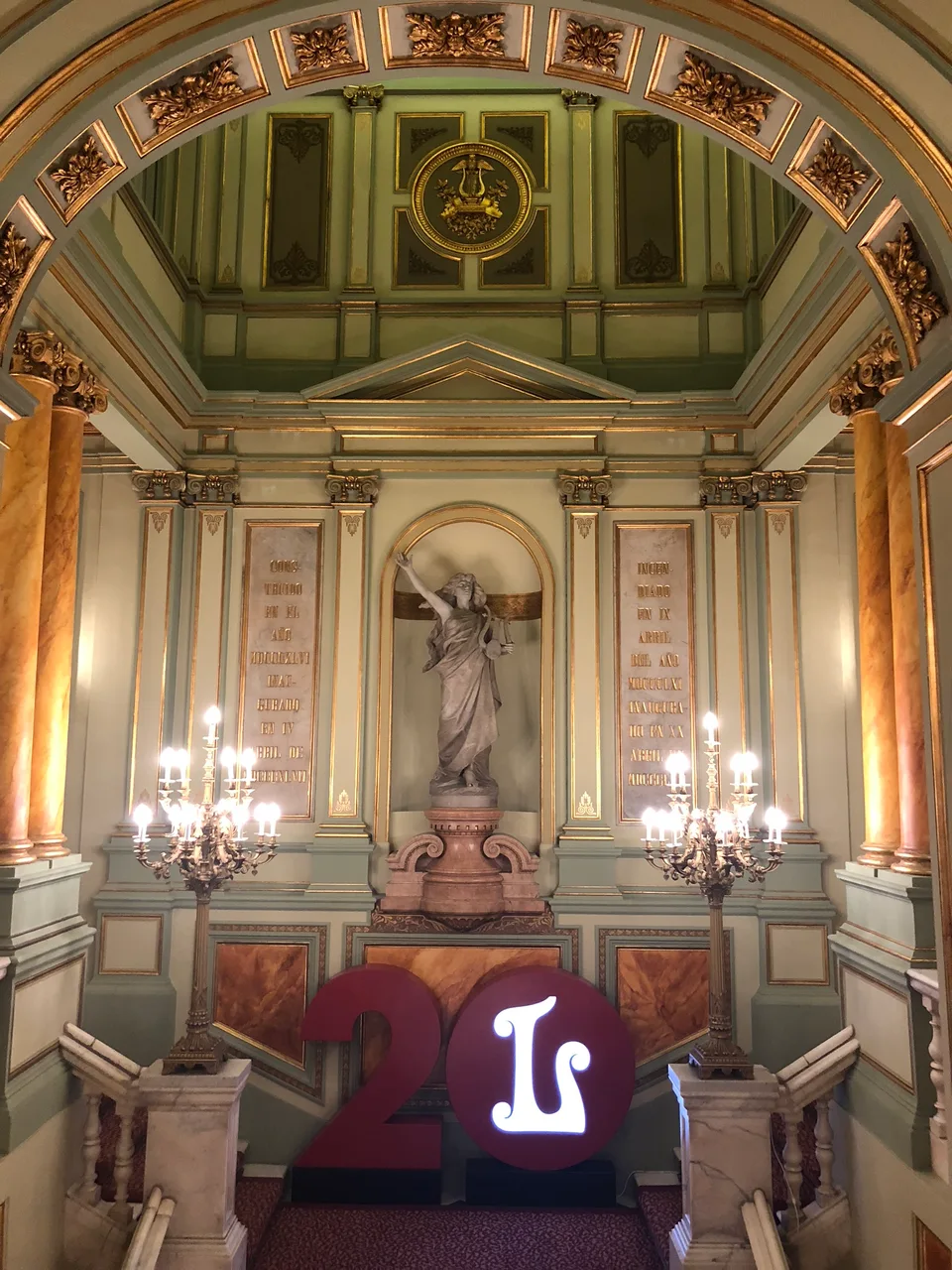
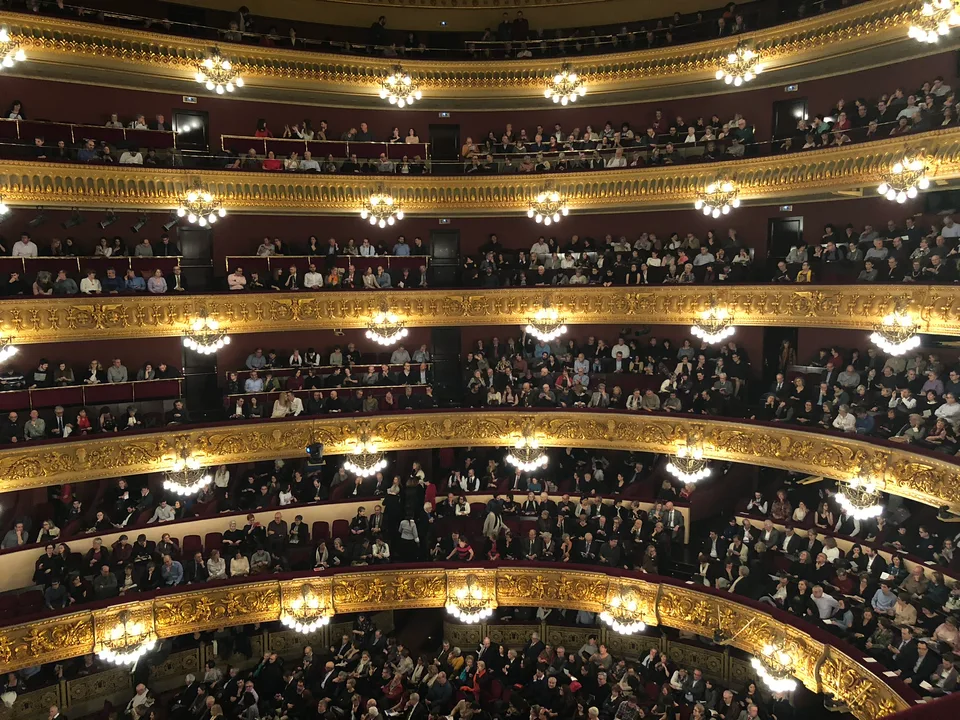
The last evening deserved a proper entrance.
The city had been doing this to us all week: changing the scale of things. A lane became a cathedral. A football pitch held a whole crowd’s nerves. A short flight opened another island. And somewhere in cava country, a closed door had turned out to be a much less decisive statement than we’d expected.
We brought home photographs, a signed book and a pair of shoes. The woman at the winery had given us nothing we could put in a suitcase. We’re still carrying it.
Visited 2018 · Written 2026